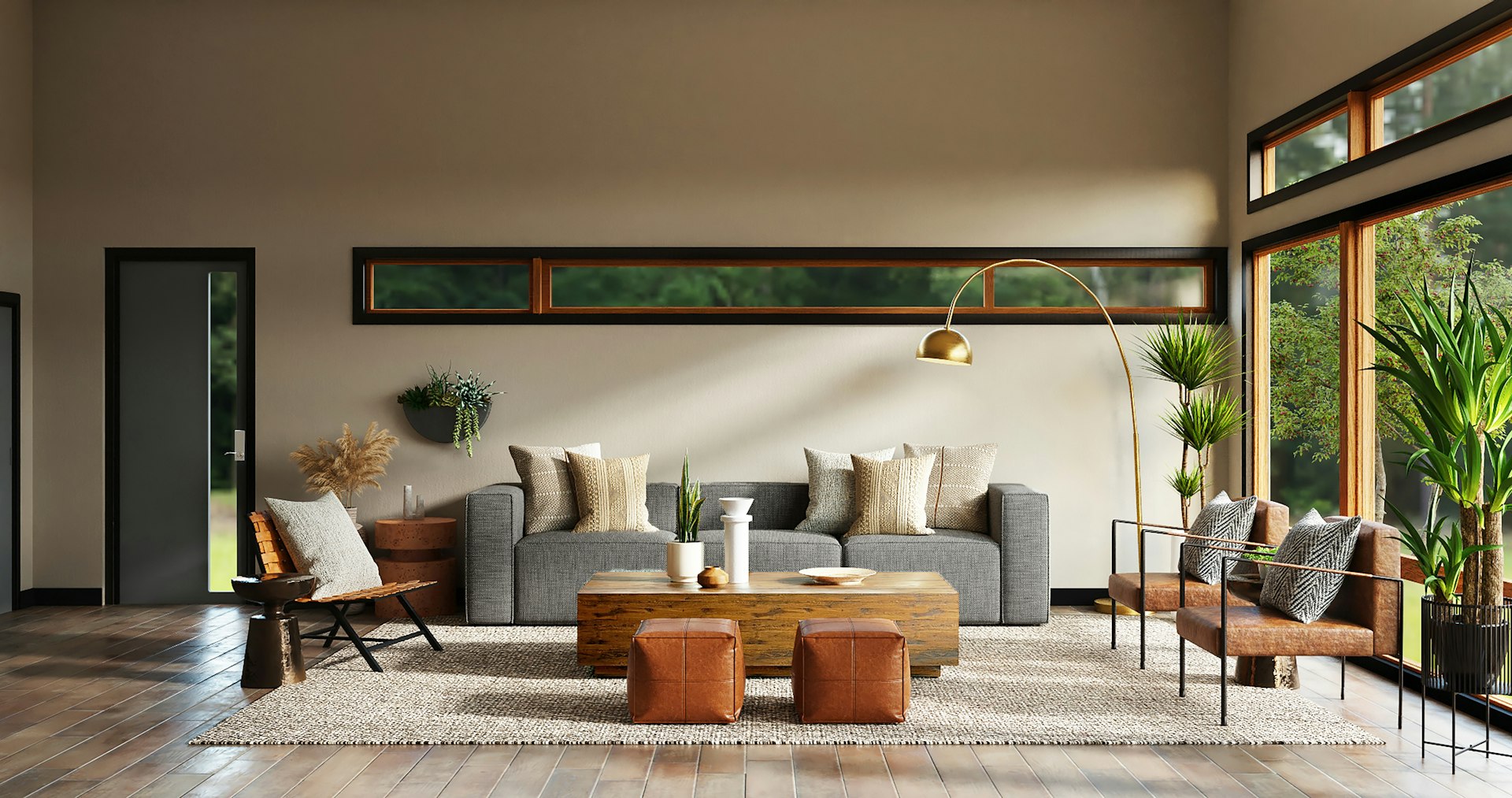
Wall Mounted Desks: 7 Amazing Ways to Maximize Space (Proven Guide)

Wall mounted desks are rewriting the playbook for modern home offices, small apartments, and multifunctional spaces. Whether you want to make the most of every inch or need a stylish, minimalist setup, these compact desks are rising fast in popularity—and with good reason.

Key Takeaways

  • Wall mounted desks support small-space living, remote work, and modern minimalist interiors, with global sales on the rise.
  • Fold down and floating designs save the most room—perfect for apartments and multifunctional spaces.
  • Success depends on proper installation, understanding weight capacity, and choosing the right hardware and materials.

What Are Wall Mounted Desks and Why Choose Them?

Wall mounted desks, sometimes called floating desks or fold down desks, are desks attached directly to a wall instead of standing on legs. They elevate your workstation—literally—while freeing up floor space. This makes them a top pick in 2024 for those maximizing every square foot, especially with remote work here to stay and smaller homes in demand.

wall mounted desks - Illustration 1

The global market for wall mounted desks hit $1.5 billion in 2024, with annual growth predicted to reach $2.8 billion by 2033. Interest is especially strong in urban areas, driven by compact apartments, enthusiasm for minimalist furniture, and the rise of hybrid work. According to recent sales reports, fold down desks alone saw 19% growth this year, with Asia (notably South Korea and Japan) leading demand for multifunctional, space-saving furniture.

Beyond work-from-home benefits, wall mounted desks have found their place in living rooms, small bedrooms, and even entryways. Their modular, foldable nature echoes the broader trend in multi functional furniture—a must for anyone wanting streamlined, adaptable spaces.

How to Choose and Install a Wall Mounted Desk: Step-by-Step

Setting up a wall mounted desk requires more planning than dropping a regular desk into a room. Use these steps to get it right:

💡 Pro Tip: Use a stud finder and level before drilling any holes. This ensures a stable installation—wobbly desks are often a sign studs were missed.
🔥 Hacks & Tricks: Mount your desk slightly higher than standard and pair it with an adjustable stool. This lets you use the desk for both sitting and standing tasks without expensive conversion kits.
  1. Measure your space and needs.
    • Decide where your desk will fit. Popular locations: bedrooms, entryways, or behind sofas in small apartments.
    • Factor in seating, walking space, and clearance for any folding mechanism.
  2. Pick your desk type.
    • Fold down: Hinged panel folds away when not in use—maximal space savings.
    • Floating: Fixed, shelf-like design—sleek and minimalist.
    • Hybrid: Some models combine folding action with storage shelves.
  3. Evaluate materials and hardware.
    • Look for solid wood, strong plywood, or engineered MDF for sturdiness.
    • Choose wall anchors, metal brackets, or French cleats rated for at least double your expected load (some laptop-and-accessory setups can exceed 40 lbs easily).
  4. Locate wall studs.
    • Use a stud finder. Avoid drywall-only installation; studs provide essential load bearing.
  5. Install your desk.
    • Follow the included template or measure twice before drilling.
    • Tighten all screws and anchors completely. Wobble-test before adding equipment.
  6. Test the desk under load.
    • Place your gear and lean gently—listen for creaks or visible shifting.
    • Check for levelness and re-tighten fasteners if necessary.
  7. Sit or stand and enjoy.
wall mounted desks - Illustration 2

If you find installation daunting, many people hire a professional. But for most handy users, following manufacturer instructions and using quality hardware is enough to ensure a solid, everyday workspace.

When comparing retailers, read ratings closely. Custom setups can get costly, but a pre-made wall mounted desk is usually much less expensive than a full built-in. Explore other compact solutions in our guides on folding furniture for small spaces and small apartment furniture.

Advanced Analysis & Common Pitfalls

Although wall mounted desks are gaining traction, they’re not flawless. Here’s where users often stumble and what major studies reveal:

  • Missed wall studs: Installing solely into drywall almost always leads to pullouts and accidents, especially with heavier setups.
  • Low weight capacity: Many budget floating desks support only 25-40 lbs. Overloading or leaning can cause brackets to bend or panels to crack.
  • Poor installation alignment: Crooked or uneven mounting makes for a frustrating workspace and unsafe conditions.
  • Limited legroom: Certain models, especially deep fold downs, can have supports that hit your knees or don’t close flat, interfering with daily use.
  • Unsuitable rooms: Not every wall is a candidate. Avoid areas with hidden pipes, electrical lines, or thin partitions.

Competitor analysis shows a lack of deep guidance on weight ratings, maintenance, and matching hardware to different wall types. Make sure your selection accounts for real-world use: will kids lean on it for art projects? Is it for occasional laptop use or holding heavier equipment?

Type Space Saved Ease of Install Max Capacity Best For
Fold Down Excellent Moderate Light-Medium Tight spaces, multi-use rooms
Floating (Fixed) Good Easy Medium-Heavy Offices, bedrooms
Traditional Desk Poor Plug-and-play High Dedicated standalone work zones

Installation time will depend on your skill and the model. Most user-ready wall mounted desks can be installed in under an hour by two people. Major pitfalls? Skipping proper fastener checks, ignoring surface leveling, or failing to double-check safety (especially in rentals). Custom, high-end solutions may need a pro and cost significantly more—custom wall-mount projects in other categories can see 25-40% budget increases, as noted in market research.

To maximize your setup, think storage too. Many desk setups benefit from pairing with modular drawer divider systems or vertical shelves above.

wall mounted desks - Illustration 3

Conclusion

Wall mounted desks are more than a trend—they’re a practical solution for making modern homes and offices flexible, efficient, and stylish. With demand surging globally, especially for fold down models and space-efficient floating desks, the right install and thoughtful desk selection will set you up for satisfaction and years of everyday use.

Ready to transform your space? Explore our newest guides on vertical kitchen storage and closet storage systems or get started with a wall mounted desk today. Measure, mount, and reclaim your room—your future productivity (and square footage) will thank you.

FAQ

How much weight can a typical wall mounted desk support?

Most wall mounted desks are rated for 25 to 60 lbs, but always check the manufacturer’s specification. Strength depends on wall type, bracket hardware, and panel material. Avoid exceeding load limits for safety.

Is a wall mounted desk safe for kids’ rooms?

Yes, if you securely mount into studs and verify hardware tightness. Avoid sharp edges and low fold-down panels that could pinch fingers. Regularly check for loosening over time.

Can I install a wall mounted desk in a rental apartment?

If permitted by your lease. Most require screwing into studs, so get landlord approval and be prepared to patch holes when moving out. Some renters use furniture wall anchors to reduce visible damage.

Are floating desks or fold down models better for small spaces?

Fold down models save more space when not in use, but floating desks offer a sleeker, always-ready setup. Choose based on how often you need desk space versus floor access.

How do I hide wires and accessories with a wall mounted desk?

Install cable organizers underneath or combine with modular shelves or drawer inserts. Concealed power strips are also popular in modern setups.

Leave a Reply

Your email address will not be published. Required fields are marked *

Smart Property Value Boosts That Actually Pay Off.


Boost Your Property Value — Without Expensive Renovations.