

Dog dental health is one of the most overlooked aspects of caring for your furry friend, yet it directly affects their comfort, energy, and even lifespan.
Key Takeaways
- Over 70% of dogs will have dental disease by age 3—routine care is crucial to prevent pain and costly treatments.
- There is little unbiased evidence comparing dental chews to powders, so focus on proven basics: tooth brushing and regular vet exams.
- Consult your vet about dental care products, as complaints, side effects, and official ingredient warnings are not well documented.
- Understanding Dog Dental Health
- Step-by-Step Guide to Dog Dental Care
- Advanced Analysis & Common Pitfalls
- Conclusion
- Frequently Asked Questions
Understanding Dog Dental Health
Dog dental health refers to the condition of a dog’s teeth, gums, and oral tissues. Maintaining good dental health in dogs is critical; not only does it prevent bad breath and loss of teeth, but it also helps avoid serious infections that can spread to a dog’s heart, liver, or kidneys. The vast majority of dogs—over 70% by age 3—suffer from some form of dental disease, according to multiple veterinary reports from Grand View Research and Banfield. This high rate has stayed about the same over the last five years, signaling that dental neglect is still widespread. Untreated dental issues can degrade a dog’s quality of life and rack up serious vet bills later on.

Step-by-Step Guide to Dog Dental Care
Every dog owner can take concrete steps to improve their pet’s dental health. While some dog dental products promise miracles, the essentials make the biggest difference. Follow this step-by-step process to reduce your dog’s risks:
- Schedule annual dental exams. Catching problems early helps avoid pain and expensive treatments. Most experts, including VCA Hospitals, recommend once-yearly exams, or more for senior pets.
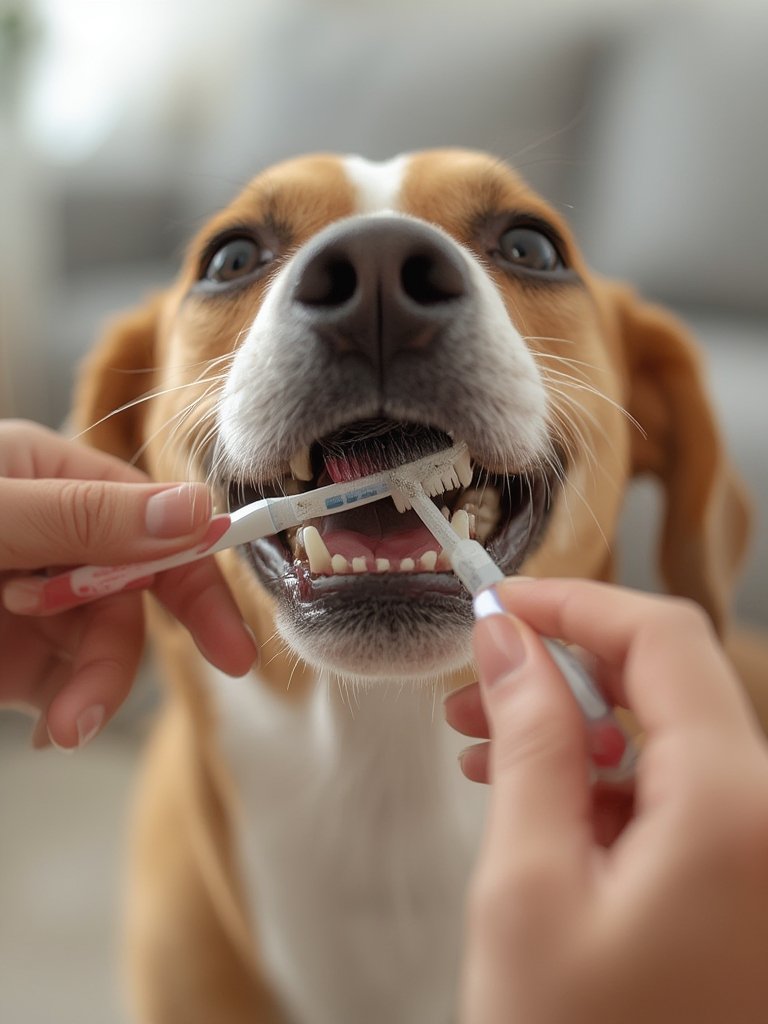
- Brush your dog’s teeth daily. Even a few times a week makes a noticeable difference. Use a dog-specific toothbrush and toothpaste—human pastes can be toxic.
- Discuss dental cleanings with your veterinarian. Professional cleanings under anesthesia are the gold standard for removing tartar and treating established gum disease.
- Consider dental chews and toys. While research is limited, these can help reduce plaque, but should never replace brushing or professional exams.
- Monitor for signs of dental disease. Watch for bad breath, red or bleeding gums, difficulty eating, or loose teeth. Early intervention prevents suffering.
- Be wary of untested dental powders and additives. While advertised widely, no scientific studies confirm they are better than chews or brushing, and potential side effects are unknown.
- Choose water and food wisely. Specialized dental diets are available, but focus on minimizing table scraps—sticky foods accelerate plaque buildup.
To keep up with other home and pet care best practices beyond dental, see our guide on pet care essentials.
Advanced Analysis & Common Pitfalls
Despite marketing claims, not all dental products are created equal. Research identified several real-world challenges and areas of uncertainty:
- High prevalence remains unchanged – Despite growth in dental chews, powders, and toys, the percentage of dogs with dental disease has not notably improved in recent years (dvm360).
- Lack of data behind many products – No studies directly compare the effectiveness of chews versus powders. Owners may spend more without a proven benefit.
- Undocumented complaints & side effects – No centralized reporting exists for reactions to chews, powders, or additives. Potential allergies or digestive issues may go unreported.
- No official ingredient warnings – There’s no consensus on which dental product ingredients could be harmful or controversial, so stay cautious and consult your vet.
- Inconsistent product pricing and value – Detailed 2024 price comparisons are simply not available. Focus spending on proven basics instead.
| Dental Care Option | Evidence of Effectiveness | Potential Downsides |
|---|---|---|
| Daily Brushing | Strong evidence, highly recommended by vets | Requires training and regular effort |
| Professional Cleanings | Gold standard; removes plaque/tartar | Needs anesthesia; more costly |
| Dental Chews | Limited independent studies | Potential choking hazard; calories add up |
| Dental Powders/Additives | No direct comparison studies | Benefits unproven; possible GI upset |
For a broader approach to pet comfort and wellbeing, check our post on cozy bedroom furniture — a happy pet needs a healthy mouth and a restful sleep!

Conclusion
Dog dental health is both a daily and lifelong responsibility. With disease affecting up to 80% of dogs, the basics—regular vet checks, brushing, and cautious use of dental chews—remain the cornerstones of prevention. Most claims about newer powders or additives are not yet backed by robust evidence or long-term studies. If you care about your dog’s total wellbeing, start with prevention. Schedule professional exams and establish an at-home dental care routine today. Want to explore more ways to improve home life for you and your pets? Check our article on everyday home essentials and transform your shared spaces.
For actionable routines and smart products that go beyond dog dental health, explore our guides to outdoor living upgrades and practical home improvements for families and pets.
Frequently Asked Questions
How often should I brush my dog’s teeth?
Ideally, every day. Even brushing a few times a week can dramatically reduce your dog’s risk of dental disease.
Are dental chews as good as brushing my dog’s teeth?
No—brushing is more effective for removing plaque and preventing dental disease. Chews can help, but they are not a replacement for regular brushing and professional cleanings.
What are signs of dental disease in dogs?
Watch for persistent bad breath, red or bleeding gums, tartar buildup, loose teeth, difficulty chewing, and facial swelling. Early detection is key.
Are dental powders or water additives safe for my dog?
The safety and effectiveness of many powders and additives are not well studied. Always discuss any new product with your veterinarian before using it.
Does my dog really need a professional dental cleaning?
Yes. Even with great home care, most dogs will eventually need professional cleanings to remove hardened tartar and address issues below the gumline.