
### Blog Post:
Dog paw trimmer use is on the rise, with pet owners prioritizing safe and effective grooming of their dog’s delicate paw pads at home. Knowing how to properly trim your dog’s paws can prevent discomfort, improve hygiene, and even reduce the mess they track indoors — but only if you use the right tool, technique, and expectations.
Key Takeaways
- Dog paw trimmers make home pet grooming safe, efficient, and less stressful — but results depend on the right setup and routine.
- Market growth in grooming products is driven by demands for comfort, precision, and features like safety guards and low noise.
- Common pitfalls include discomfort, noise sensitivity, and ineffective trimming if not used with the correct motion or trimmer design.
- What Is a Dog Paw Trimmer and Why Use One?
- How to Trim Your Dog’s Paws at Home
- Advanced Analysis & Common Pitfalls
- Conclusion
- FAQ
What Is a Dog Paw Trimmer and Why Use One?
A dog paw trimmer is a small, motorized grooming tool designed specifically to trim hair around and between your dog’s paw pads. Unlike standard grooming clippers, paw trimmers have narrower blades and compact heads so they can reach tight spots without nicking the skin. With grooming markets projected to grow at a 5.80% CAGR and more pet owners grooming their dogs at home, the right paw trimmer can solve a common problem — reducing matting, tracking of dirt, and even helping to prevent paw infections.
Why not just use scissors or regular clippers? Most dog paws are curved and sensitive, so bulky tools can cause pain, uneven trims, or accidental cuts. That’s why top sellers in the pet grooming market focus on features like rounded precision blades, safety guards, and quiet operation (source).
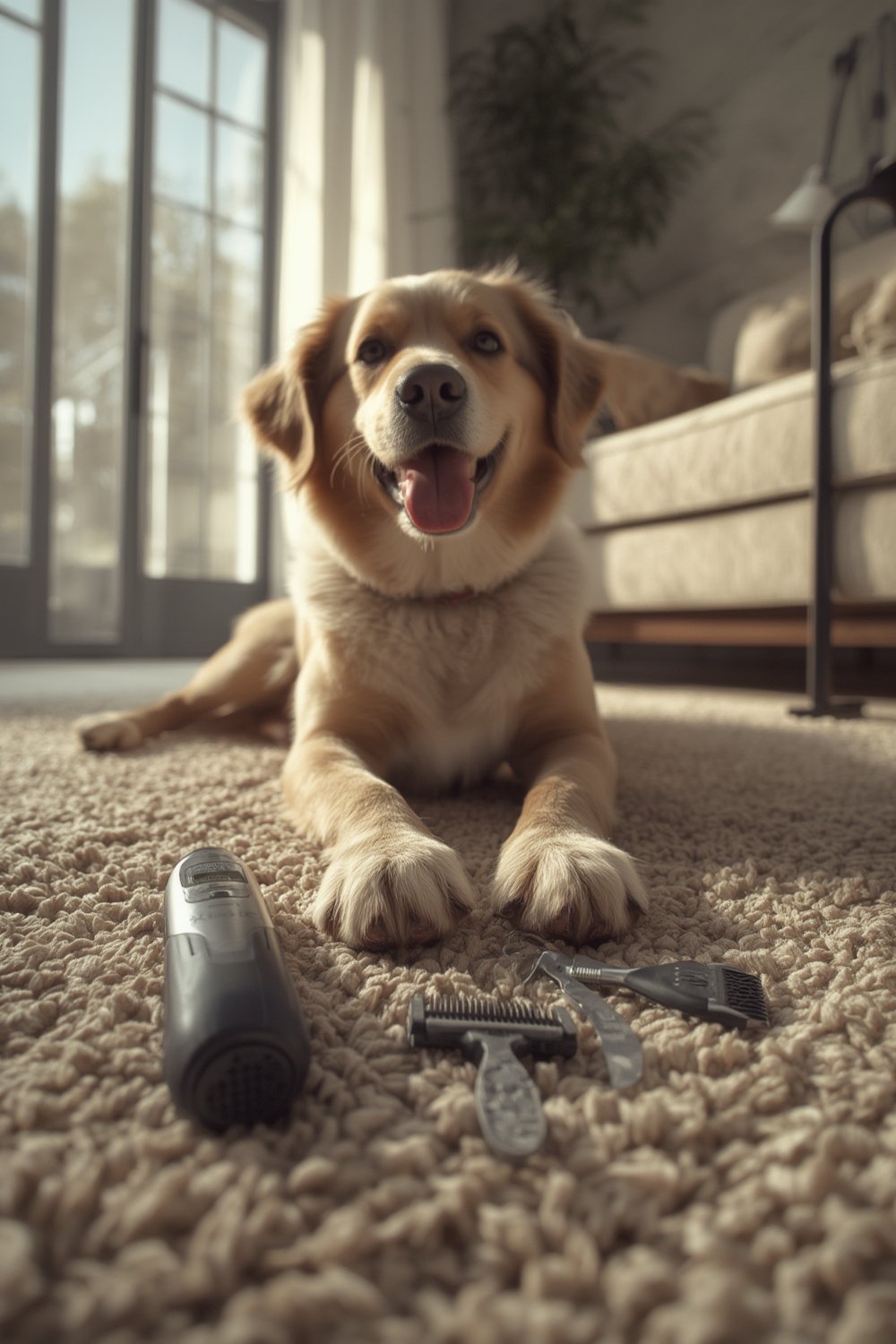
Many dog owners choose trimmers for both their paws and faces, especially for small breeds, senior pets, or those with long fur. With complaints about discomfort and grooming mistakes on the rise (see market analysis), learning how to use your dog paw trimmer correctly makes all the difference between a smooth outcome and an anxiety-filled grooming session.
How to Trim Your Dog’s Paws at Home
Grooming your dog’s paws doesn’t have to be stressful or complicated. Below is a clear, step-by-step guide for safe, realistic home usage of your dog paw trimmer.
- Choose a quality dog paw trimmer. Look for models with low noise, safety guards, and replaceable precision blades. If your dog is especially anxious, consider quiet dog clippers alternatives.
- Prep your space and your dog. Use a slip-proof surface (a bath mat or rug) and keep treats handy. Gently brush any excess fur from their paws.
- Check the blades and battery. Ensure the trimmer is clean, well-charged, and oiled if required. Dull blades can tug or scratch.
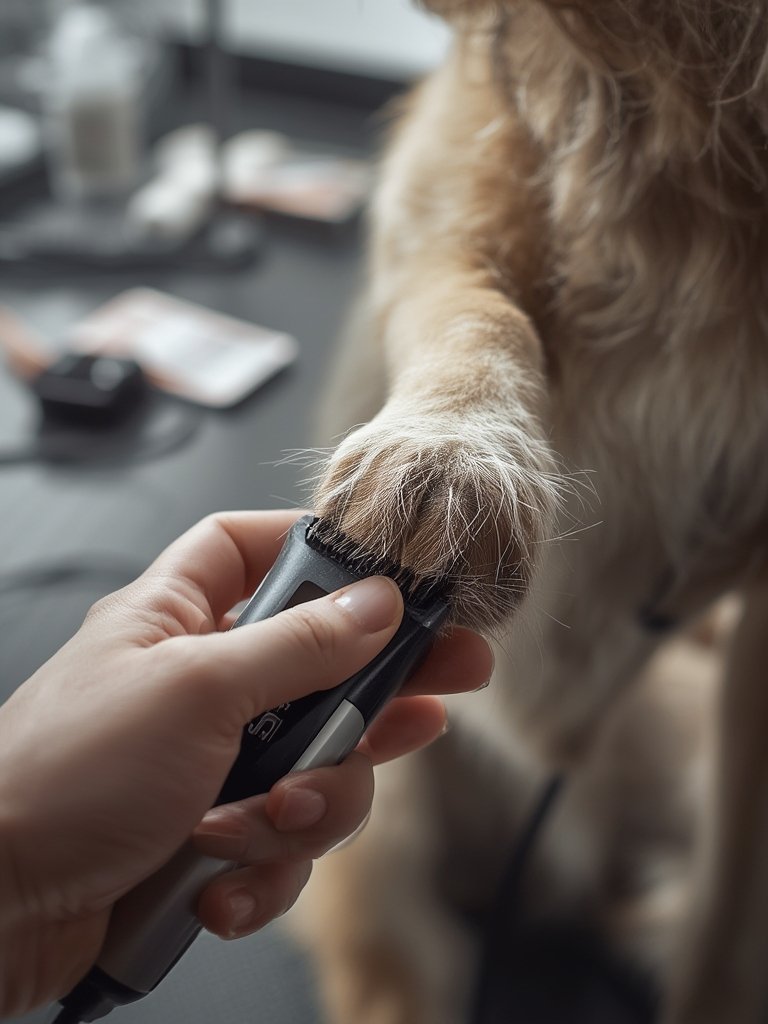
- Begin trimming the outer edges first. Gently spread the paw and run the trimmer along the sides, moving slowly in the direction of hair growth. Never press hard.
- Trim between the pads. Using the tip of the trimmer, carefully go between each toe pad. Avoid holding the trimmer in one spot for too long to prevent heat buildup.
- Reward your dog. Praise, treats, or a short break reinforce positive experiences for future sessions.
For added comfort or joint support after grooming, consider letting your dog rest on an orthopedic pet bed. This is especially key for senior dogs.
Regular home grooming also pairs well with other care routines, like dog dental health maintenance or using automatic pet feeders for scheduled nutrition. Holistic routines help lower vet visits and keep pets calm.
Tip: Store your dog paw trimmer in a dry, accessible spot, not in a cluttered drawer or with other tools. Investing in drawer organizer inserts keeps grooming supplies clean and ready for next time.
Advanced Analysis & Common Pitfalls
While dog paw trimmers solve tangible problems, a careless approach can create new ones. Here’s what experienced users and market research highlight as the most realistic issues with at-home paw trimming:
- Discomfort from blade heat — Running the trimmer too long in one spot can heat blades and burn sensitive paw tissue.
- Anxiety from vibration/noise — Even “quiet” trimmers can startle dogs, especially rescues or puppies.
- Solutions: Start sessions gradually, use a quiet dog clippers model, and keep the first few trims brief.
- Ineffective trimming — Wide trimmer heads or dull blades miss fine hairs, causing mats or debris buildup.
- Nicking or cutting pads — Moving the trimmer against the direction of hair growth can tug or cut the skin.
- Mess and fur buildup — Not cleaning blades or using without a grooming vacuum kit can leave trimmed hair everywhere. For less mess, see the pet grooming vacuum guide.
| Common Issue | Impact on Dog | Actionable Fix |
|---|---|---|
| Blade heat or dullness | Pain, avoidance, injury | Pause every 10-15 seconds, touch blade; replace blades regularly |
| Wrong trimmer head shape | Hair missed, mats left | Choose narrow, round-edge models |
| Dog anxiety | Restlessness, nipping, shaking | Introduce trimmer gradually, reward calm, use soothing voice |
| Messy clean-up | Loose fur on floor | Place towel under paws, groom outside or over mat |
| Over-trimming close to skin | Redness, possible infection | Leave a thin layer of fur for protection |
It’s important not to cross-contaminate grooming tools for paws, nails, or face. Use separate trimmers or thoroughly disinfect between uses — especially for multi-pet homes. For precision nail care, a dog nail grinder offers a safe way to keep claws short without the risk of painful quick cutting.
Conclusion
Using a dog paw trimmer can dramatically improve your pet’s comfort, cleanliness, and health — provided you invest in the right trimmer, prep correctly, and avoid common mistakes. More pet owners are taking control of home grooming as the tools get safer and easier to use, with market growth reflecting these shifting priorities (see market forecast). Always monitor your dog’s reactions, inspect blades, and reinforce positive behavior for a better grooming experience.
Ready to transform your dog’s grooming routine? Start by choosing the best dog paw trimmer for your needs and try the step-by-step process above. With a little prep and patience, you can keep your dog’s paws healthy, clean, and happy — all from home.
FAQ
How often should I trim my dog’s paw hair?
This depends on your dog’s breed and fur growth rate, but most owners find every 2-4 weeks is ideal. Dogs with fast hair growth, active outdoor lifestyles, or long fur may need paw trims more often to prevent matting and slipping.
Can I use regular human clippers on my dog’s paws?
It’s not recommended. Human clippers usually have wider blades and lack the safety features or slim design needed for safe dog paw grooming. Specialized dog paw trimmers are much safer and more comfortable for your pet.
What should I do if my dog is scared of the trimmer noise?
Start by letting your dog sniff and inspect the trimmer while it’s off. Gradually introduce the sound at a distance, pairing it with treats and praise. Consider using a quiet dog clippers model if noise continues to be an issue.
Should I trim my dog’s nails or paw hair first?
Trimming paw hair first is usually easier — it exposes the nails for safe, accurate nail trimming or grinding. Always use the right tool for each job, such as a dog nail grinder for nails and a paw trimmer for fur.
What else can help keep my dog’s paws healthy?
Besides regular trimming, keep paws clean, moisturized, and check for injuries or foreign objects. Consider a supportive bed for recovery and combine grooming with regular dental care using a dog dental powder for full wellness.
—