

Eco friendly kitchen storage isn’t just a buzzword—it’s a practical response to the growing demand for healthier, more sustainable living. As global awareness rises and more households switch to environmentally responsible kitchen solutions, it’s important to know what truly works, what pitfalls to avoid, and how to make easy, actionable changes in your own kitchen.
Key Takeaways
- Eco friendly kitchen storage is gaining momentum, with materials like glass, stainless steel, and bamboo leading the trend due to consumer demand for healthy, durable options.
- While sustainable choices are growing rapidly, factors such as durability, safety, and true recyclability are just as important as the “eco” label.
- Practical steps, smart product picks, and attention to pitfalls can help you successfully transition to an environmentally responsible kitchen that fits your budget and daily needs.
- The Core Concept: What Is Eco Friendly Kitchen Storage?
- Step-by-Step Guide: How to Transform Your Kitchen Storage
- Advanced Analysis & Common Pitfalls
- Conclusion
- FAQ
The Core Concept: What Is Eco Friendly Kitchen Storage?
Eco friendly kitchen storage refers to organizing and containing food, utensils, and supplies using materials and products that minimize environmental harm throughout their lifecycle. This includes options that are reusable, recyclable, biodegradable, or made from rapidly renewable resources. glass and stainless steel, bamboo, and advanced BPA-free plastics dominate this growing market.
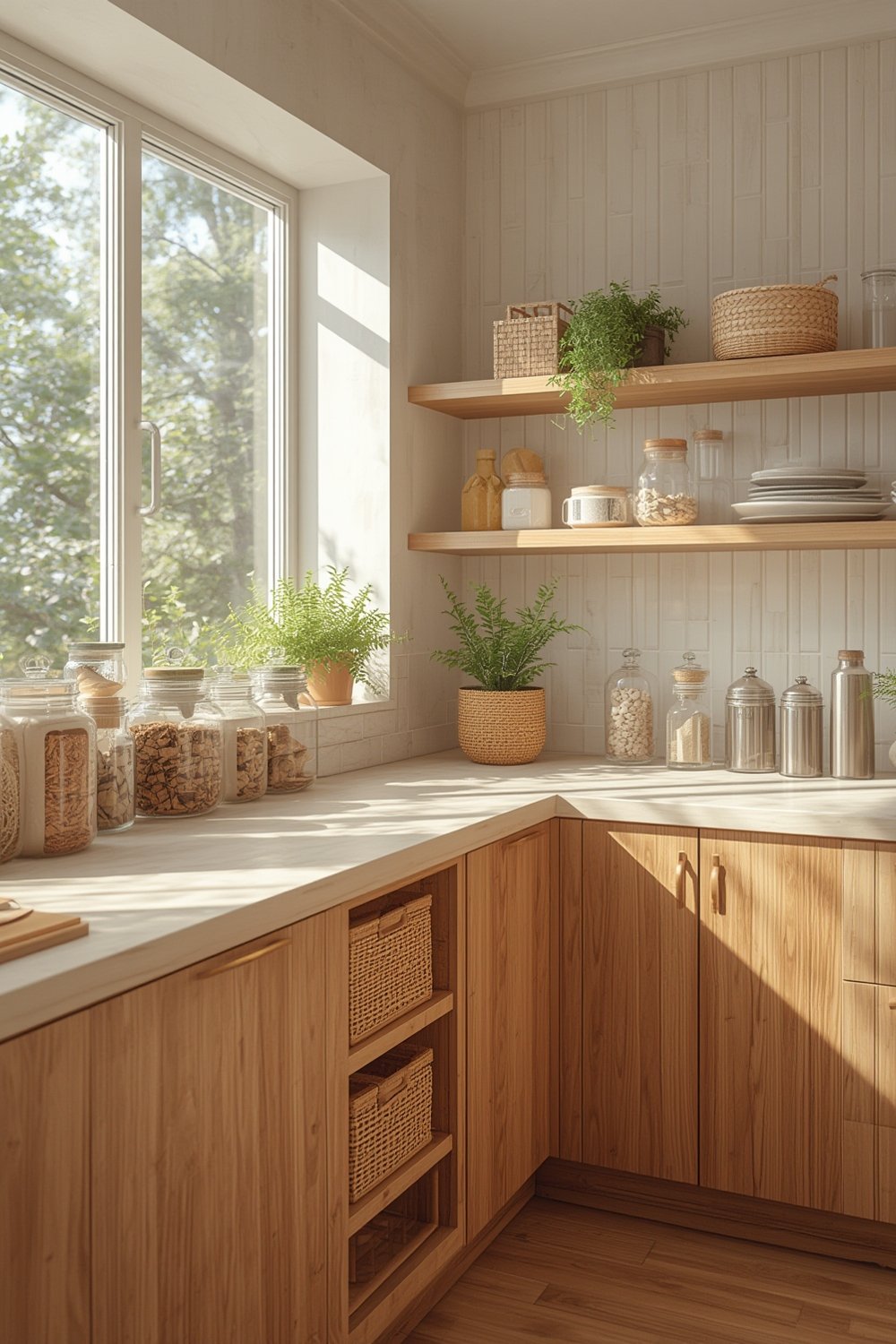
Globally, the kitchen storage and pantry organization market reached USD 131.43 billion in 2023 and is set to hit USD 182.08 billion by 2030. The food storage container sector itself registered USD 163.5 billion in 2024 and is climbing. Consumers, especially in markets like the US, are rapidly shifting toward recyclable and biodegradable options—a sign that sustainability and health concerns are shaping demand.
But true sustainability means thinking beyond trends. Factors like product longevity, recyclability, overall environmental impact, and practical features—such as being BPA-free, leakproof, and easy to clean—are just as important. Even eco friendly items come with nuances: for example, not all “bamboo” products are created equal, and some contain adhesives that undermine their green claims.
Step-by-Step Guide: How to Transform Your Kitchen Storage
Ready to make the switch? Here’s a realistic, actionable plan for setting up eco friendly kitchen storage that works for any household.
- Audit what you have. Group your kitchen storage products by material—plastic, glass, metal, wood, etc. Check for cracks, warping, or BPA/unmarked plastics. Decide what needs to go first.
- Dump single-use plastics. Remove disposable products like plastic wrap, sandwich bags, or foam containers. Replace with stackable pantry containers, beeswax wraps, or silicone food covers for airtight and reusable alternatives.
- Invest in glass and stainless steel where it counts. According to market research, glass is inert (no chemical leaching) and freezer-oven safe, while stainless steel provides unmatched durability. Use them for leftovers and bulk dry goods.
- Try bamboo and FSC-certified wooden organizers. Bamboo grows much faster than traditional hardwood, making it one of the most renewable materials available. Look for products labeled as FSC-certified or with minimal adhesives for the lowest impact (sustainable furniture guide).
- Maximize pantry and fridge efficiency. Use clear fridge organizers and vertical storage to reduce food waste. Stackable and open-top bins in eco friendly plastics or glass make it easier to spot food before it spoils.
- Go modular for drawers and cabinets. Products like drawer divider systems and cabinet shelf risers now come in recycled or rapidly renewable materials, helping organize utensils and dry goods with no permanent installations needed.
- Label and maintain. Eco friendly storage containers last longer when handled well. Regularly check for chips, cracks, or stains (especially on bamboo or wood) to prevent mold.
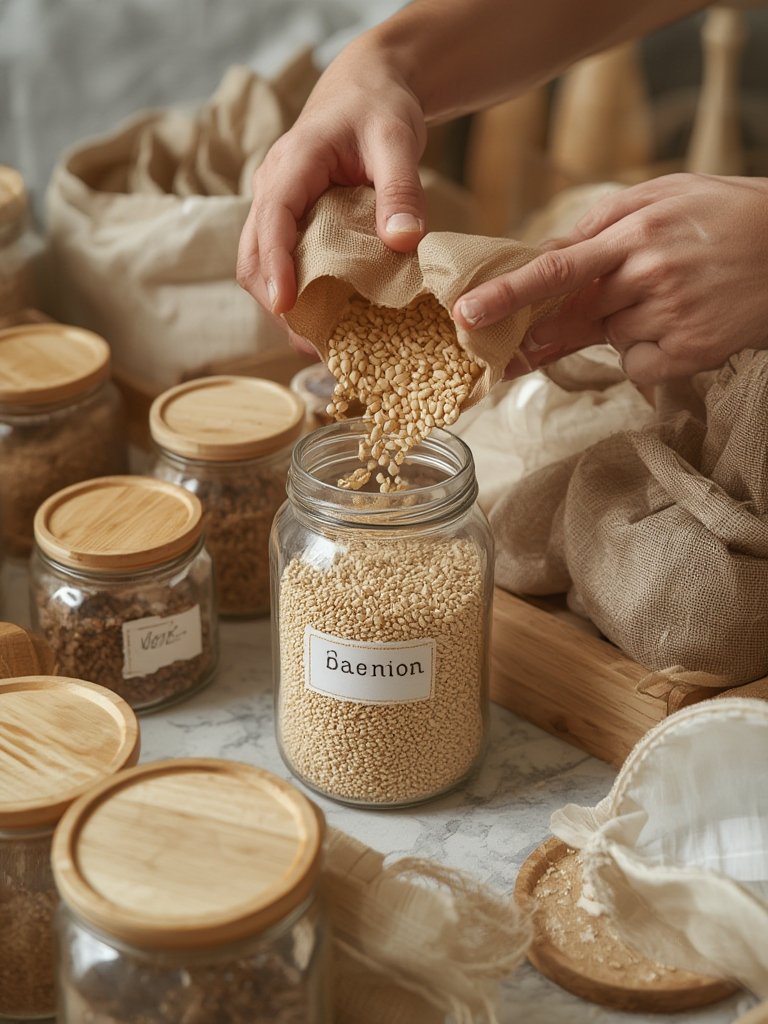
- Educate household members. Make sure everyone understands what can and cannot go in bamboo, glass, or steel—you’ll maximize the lifespan and safety of your eco storage setup.
- Check for third-party environmental certifications. Even if specific guidance is limited in the market, look for keywords like “FSC-certified,” “biodegradable,” “100% recycled,” or “BPA-free” on labels. This assures you’re actually getting what you pay for.
- Shop with sustainability in mind, but don’t disregard convenience. While it’s tempting to overhaul everything at once, prioritize based on usage, impact, and budget.
Advanced Analysis & Common Pitfalls
Switching to eco friendly kitchen storage is not without its challenges. Here’s a realistic look at issues you might face and what the market data suggests.
| Material | Sustainability | Durability | Food Safety | Recycle/End-of-Life | Common Pitfalls |
|---|---|---|---|---|---|
| Glass | Very high (made from sand, endlessly recyclable) | High (can break if dropped) | Excellent (inert, no chemical leaching) | Fully recyclable in most cities | Heavier, breakable; lids may crack or warp over time |
| Stainless Steel | High (very long-lasting, recyclable) | Excellent | Excellent | Fully recyclable | Can affect taste/odor with acidic foods; initial cost higher |
| Bamboo/Wood | Typically very high (especially FSC-certified bamboo) | Moderate (can warp/moisten if not cared for) | Good (check adhesives and finishes) | Biodegradable if 100% untreated | Susceptible to moisture and stains; adhesives may contain chemicals |
| BPA-Free Plastic | Depends (recycled or bioplastics better) | Moderate | BPA-free versions are safer but may degrade over time | Recycling options may be limited | Often confused with non-food-safe plastics; microplastics concern |
Common Consumer Complaints & Pain Points
- Misleading claims: “Eco friendly” labels are not always regulated. Some bamboo or wood products are held together with synthetic adhesives containing harmful chemicals.
- Breakage & durability: Glass is safer for food storage but is heavy and can break easily, especially with children or stone countertops.
- Mold and stains: Bamboo and wood are susceptible to moisture buildup if not dried properly.
- High upfront cost: Some eco friendly kitchen storage solutions cost significantly more upfront than conventional plastic. However, they last much longer, potentially offsetting the initial investment.
- Limited certifications: The absence of clear, trusted certification schemes for kitchen storage can make it difficult to verify true sustainability.
- False sense of eco: Many “eco” products end up in landfill because they can’t be recycled in local facilities, especially if they’re a mix of materials or use non-recyclable adhesives.
- Food freshness limits: Some natural fibers alone may not provide a true airtight seal, so they might not keep food fresh as long as glass or quality plastics.
For more practical storage upgrades, browse our guides on vertical kitchen storage, pantry storage bins, and small kitchen solutions.
Conclusion
Choosing eco friendly kitchen storage is not about buying everything new. It means making thoughtful, lasting changes—picking durable, non-toxic, and renewable alternatives, and understanding real limitations. Whether you replace a few aged plastic containers with glass, test out bamboo cutlery trays, or simply improve how you organize and care for what you own, every step counts. The eco friendly kitchen storage movement is as much about smart daily habits as it is about products. Start your transition today, and make small changes that benefit both your home and the planet.
Ready to upgrade? Review your current kitchen setup and take the leap—your future self (and the environment) will thank you!
FAQ
What are the best materials for eco friendly kitchen storage?
Glass and stainless steel lead for safety, durability, and recyclability. Bamboo and FSC-certified woods are highly renewable and biodegradable for organizers, but check for food-safe finishes.
How do I clean and maintain bamboo or wooden kitchen organizers?
Wipe down immediately after use, let them dry completely, and avoid soaking. Treating periodically with food-grade mineral oil or beeswax can help prevent moisture and cracking.
Are BPA-free plastics considered eco friendly?
BPA-free plastics are better for health but are only “eco friendly” if made from recycled or bio-based content, and if local facilities can recycle them after use. They typically don’t last as long as glass or steel.
What should I look for in eco friendly product certifications?
Search for credible third-party labels such as “FSC-certified” (Forest Stewardship Council) for wood and bamboo, “100% recycled,” or “biodegradable” claims validated by independent agencies. Be wary of vague marketing terms.
Is switching to eco friendly storage expensive?
High-quality eco friendly kitchen storage often costs more upfront but typically lasts longer than disposable options, saving money long term. You can phase changes over time for budget-friendliness.