
Orthopedic pet beds are transforming the way pet owners support their pets’ comfort, mobility, and overall health—especially for older dogs and cats who struggle with joint pain or arthritis. If you’re searching for a practical, data-driven guide to orthopedic pet beds, this is where evidence meets everyday reality.
Key Takeaways
- Orthopedic pet beds help reduce pain and improve mobility, especially for senior or large-breed animals.
- High-density foam and thoughtful design are non-negotiable for real orthopedic support—cheap imitations won’t deliver results.
- Choosing the best orthopedic pet bed requires checking foam quality, size, cleaning practicality, and actual health benefits, not just hype.
- What Is an Orthopedic Pet Bed and Why Does It Matter?
- Step-by-Step Guide to Choosing the Right Orthopedic Pet Bed
- Advanced Analysis & Common Pitfalls
- Conclusion
- Frequently Asked Questions
What Is an Orthopedic Pet Bed and Why Does It Matter?
Orthopedic pet beds are not just a luxury—they are designed with medical-grade materials, usually memory foam, to deliver targeted joint support for pets with arthritis, hip dysplasia, or chronic pain. Unlike standard pet beds, orthopedic options actually shape to your pet’s body, distribute weight evenly, and relieve pressure points, which translates to less pain and better sleep.
The global orthopedic pet bed market was estimated at $1.2 billion in 2024 and is projected to double in less than a decade. Why? Because more households view pets as family members and are investing in products that deliver measurable health benefits. Clinical studies show dogs using orthopedic beds enjoy over 20% less pain, improved joint function, and better quality of life—real numbers that make a difference.
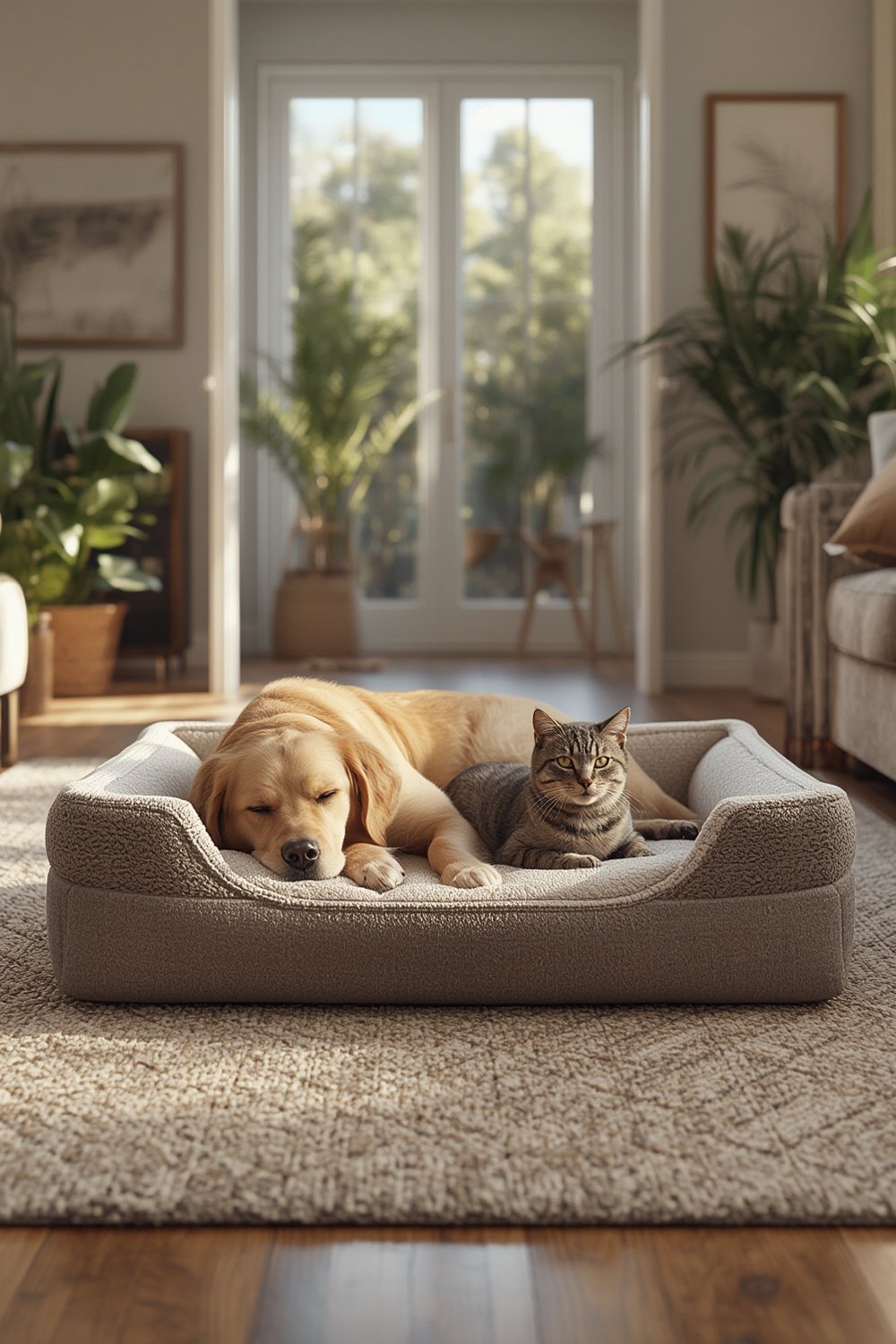
For pets prone to discomfort, especially large breeds, these beds can literally add years of easier movement and happiness. They are also easy to pair with other wellness solutions, like pet dental care routines and automated feeding tools for a holistic approach to pet wellbeing.
Step-by-Step Guide to Choosing the Right Orthopedic Pet Bed
- Measure Your Pet: Don’t guess. Measure your pet from nose to tail while lying flat. Add at least 6 inches for stretching room.
- Prioritize Material Quality: Look for beds made with high-density medical-grade memory foam—not shredded or cheap egg crate filler. Higher density means better joint support and less sag over time.
- Choose the Right Size and Shape: Rectangular beds suit sprawlers; bolster beds are great for pets who love to curl with head support. Consider how the bed will fit with your home’s existing bedroom furniture, especially in small spaces.
- Check the Cover and Cleaning Options: Removable, washable covers are essential for hygiene. Stain and water resistance can save you hours of work.
- Assess Safety and Durability: Look for non-slip bottoms, reinforced stitching, and chew-resistant materials if your pet is a biter.
- Evaluate Real-World Comfort: If possible, look for trial periods or return policies. Every pet’s needs are slightly different, so in-home testing beats guesswork.
- Routine Maintenance: Set up a cleaning and rotation routine to prevent lumps and odors from building up.
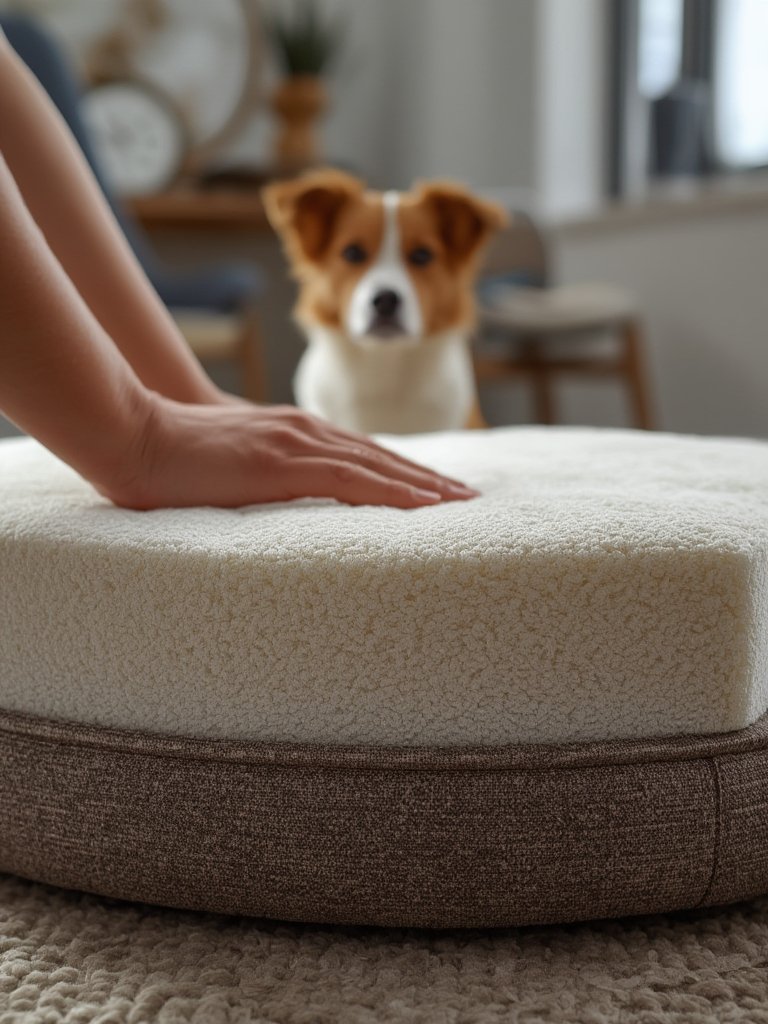
If your household prioritizes minimalist or multi-functional furniture for small spaces, look for beds that can slide under or alongside your own to save room. Some models even include hidden compartments for toys or treats.
And don’t overlook tech-enabled options—as automatic pet feeders become more common, some modern orthopedic beds are compatible with smart home systems for tracking sleep quality or temperature.
For those who appreciate a cohesive bedroom look, beds with plush boucle fabric can blend with cozy luxury furniture trends.
Advanced Analysis & Common Pitfalls
Despite their popularity, orthopedic pet beds come with some drawbacks and common mistakes pet owners should be aware of:
- Foam Quality Varies Widely: Some bedding brands market ordinary foam as “orthopedic,” which misses out on the actual therapeutic benefits. Check for high-density memory foam and independent certifications when possible.
- Size Mismatches: Buying the wrong size is more common than you think. A bed that’s too small forces pets into awkward positions, ignoring the purpose of pain relief.
- Cleaning Neglect: Orthopedic beds can collect hair, dander, and odor quickly—especially if you skip regular washing. This can foster skin irritations or allergy problems for both pets and owners.
- Heat Retention: Some memory foam beds get uncomfortably hot, especially for long-haired breeds or during warm months. Look for cooling gel inserts or cooling gel features if your area tends to run warm.
| Feature | Orthopedic Pet Bed (High-End) | Standard Pet Bed |
|---|---|---|
| Foam Density | High-density medical-grade memory foam | Polyester fill or low-density foam |
| Joint Support | Excellent; relieves pressure, proven in studies | Poor; minimal support for aging pets |
| Durability | 3-5+ years, resists sagging | 1-2 years, prone to flattening |
| Cleaning | Removable, washable covers (most models) | Usually spot-clean only |
| Price Range | Higher upfront cost, better value long-term | Lower initial price, frequent replacement |

Strong growth in the U.S. pet beds market (nearly $4 billion in 2024, source) means there’s no shortage of products—but not all deliver equal benefit. Brands looking to capitalize often skip quality control, so always look for detailed product descriptions and honest reviews.
For those investing in smart home solutions, combining orthopedic beds with interactive pet toys and automatic pet feeders can support a fuller, healthier daily routine for your pet.
Conclusion
Choosing the right orthopedic pet bed is a simple, transformative way to improve your pet’s comfort and longevity. The science is clear: genuine orthopedic support can reduce pain, promote easier movement, and upgrade your pet’s quality of life. Whether you’re managing the challenges of senior pet care or simply want to invest in smarter wellness tools, don’t settle for imitations—the right product makes a real difference.
Ready to bring home a top-rated solution? Compare real-world options, measure carefully, and commit to giving your pet an orthopedic pet bed that’s built to last. Your pet’s comfort—and your peace of mind—are worth it.
Frequently Asked Questions
What makes an orthopedic pet bed different from a standard pet bed?
Orthopedic pet beds use high-density memory foam designed to relieve pressure on joints, support spinal alignment, and improve sleep quality, especially for aging or arthritic pets. Standard beds use simple filling materials with little therapeutic benefit.
Are orthopedic pet beds worth the higher price?
Yes, when you choose true orthopedic designs. They last longer and offer measurable health improvements for pets with joint pain, arthritis, or mobility issues.
Can orthopedic pet beds help younger or healthy pets?
Absolutely. Preventative support from a young age can maintain joint function, reduce injury risk, and keep even active pets comfortable during rest.
How often should I clean my pet’s orthopedic bed?
Ideally, wash covers at least every 2-3 weeks and vacuum the foam base weekly. Regular cleaning helps prevent odor, skin irritation, and allergen buildup.
Do orthopedic pet beds get too hot?
Some do. Look for models with cooling gel inserts, breathable covers, or ventilation features if you live in a warm climate or have a long-haired breed.
—