
Electric pet grooming vacuums technology is changing how pet owners tackle fur, dander, and daily mess in their homes. If you’re looking for an actionable breakdown—plus real data and honest drawbacks before you buy—keep reading for a practical guide to choosing the best pet grooming vacuum for your household in 2024.
Key Takeaways
- Electric pet grooming vacuums dominate the market due to consistent performance and powerful suction, especially in homes with multiple pets.
- User complaints focus on product complexity, weight, and bulk; compact and straightforward models with effective filtration are in high demand.
- Exact specs and objective comparisons are missing from most reviews—understanding known product limitations is crucial before buying.
- What Is a Pet Grooming Vacuum and Why Does It Matter?
- How to Use a Pet Grooming Vacuum: Step-by-Step Guide
- Advanced Analysis & Common Pitfalls
- Conclusion
- FAQs
What Is a Pet Grooming Vacuum and Why Does It Matter?
Pet grooming vacuums are all-in-one solutions that combine grooming tools with suction to remove loose fur, dirt, and dander directly from your dog or cat. In 2024, these devices have become household essentials for pet parents dealing with ongoing shedding, allergies, or simply craving a cleaner home.
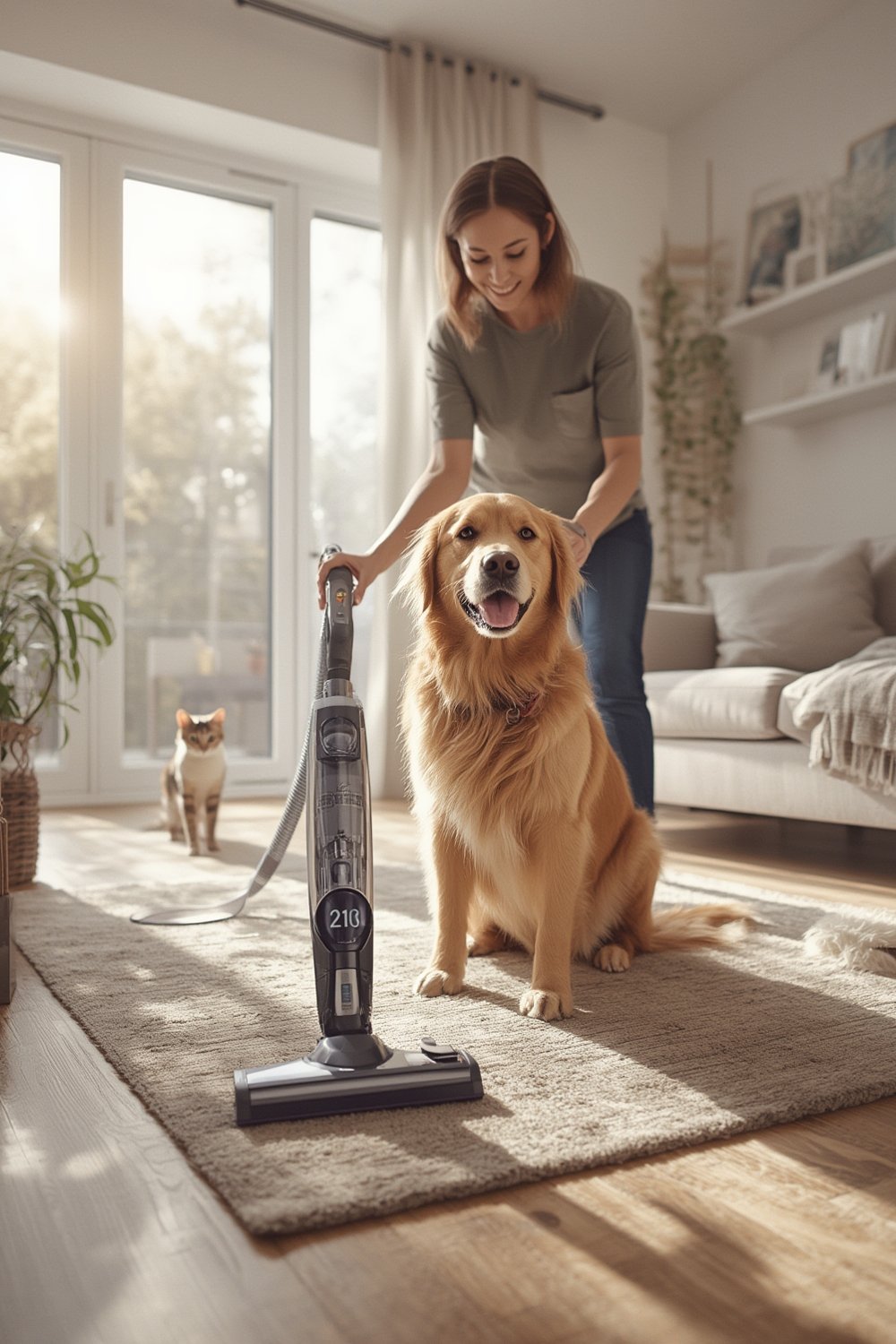
Why does it matter? The latest research shows the global pet grooming vacuum market reached $1.12 billion in 2024, and demand is growing rapidly (source). With more than 55% of purchases for home use and a projected 11.2% annual growth rate, it’s clear consumers want DIY alternatives to expensive salon grooming. Electric models are now the norm—preferred for consistent suction and convenience—while attachments for different hair lengths, de-shedding heads, tangle prevention, and allergy control are increasingly popular features.
But it’s not just about cleaning: many homeowners view the convenience and improved hygiene as essential to an enjoyable, pet-friendly environment. As more pets move indoors and allergy awareness rises, grooming vacuums help keep sofas, plush beds, and even boucle fabric beds free from fur buildup and odors.
How to Use a Pet Grooming Vacuum: Step-by-Step Guide
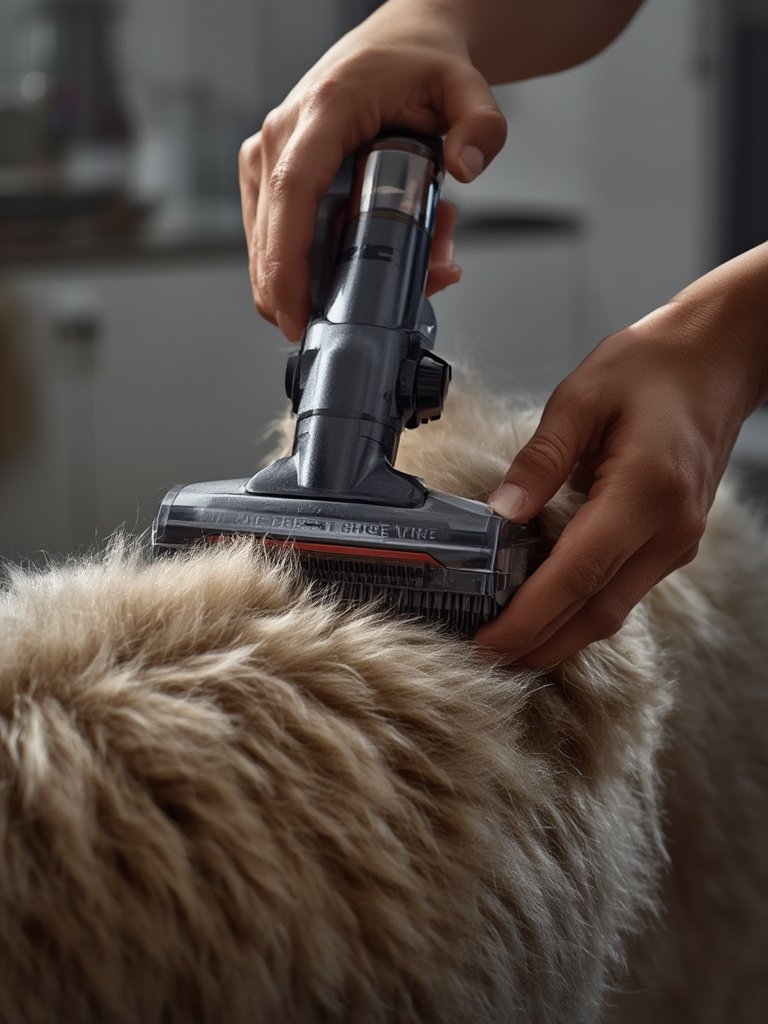
Ready to make grooming easier and your home cleaner? Here is a practical, no-nonsense workflow for using a pet grooming vacuum on dogs or cats, regardless of hair type.
- Select the Right Attachment: Choose a grooming brush that matches your pet’s fur type (slicker for long hair, bristle for short, etc.). Specialized de-shedding heads help with double-coated breeds.
- Set Suction Power: If your vacuum offers multiple speeds, always begin on the lowest setting. Only increase if your pet tolerates the sound and sensation.
- Brush Gently: Run the grooming tool in the direction of fur growth. Move slowly and avoid over-brushing in sensitive zones (belly, tail, or face).
- Monitor Collection Canister: Stop to empty the fur when the canister is half-full to avoid clogging and maintain efficient suction.
- Finish With Positive Reinforcement: Offer treats and praise to make the next grooming session easier.
- Clean Filters and Attachments: Rinse or wipe down brushes and microfilters after each use. This helps retain suction and prevent odor buildup, especially with heavy shedders.
For busy households juggling work and pet care, pairing a grooming vacuum with a pet automatic feeder or investing in stain-resistant cozy bedroom furniture can dramatically reduce daily time spent on cleanup.
Advanced Analysis & Common Pitfalls
Despite their many benefits, pet grooming vacuums are not without flaws or frustrating quirks. Let’s break down the most common problems encountered—and what the data says about how to avoid them.
Top Pitfalls to Avoid
- Complex Setup and Operation: Many users complain that assembling multi-part grooming vacuums is confusing. If you’re not a fan of intricate gadgets, opt for a model that features simple click-on brushes and a streamlined canister design (source).
- Bulkiness and Storage Issues: Bulky vacuums are frustrating for small-space dwellers. Handheld and stick versions now make up 42% of the market, primarily because people want equipment that’s easy to store and maneuver (source).
- Noise Sensitivity: While newer models emphasize quieter motors, no brand publishes standardized decibel-levels. Sensitive pets may still find even “quiet” vacuums intimidating. Always test before committing and be patient in acclimating your pet.
- Lack of Technical Transparency: Nearly every major review and manufacturer fails to disclose specs like suction power or filtration standards. Buyers must rely on user reviews and third-party testing. Prioritize brands with strong return policies and responsive support.
- Filter Maintenance (Often Overlooked): High hair volume means frequent filter cleaning. Neglecting this step leads to clogs, reduced suction, and lingering odors. Schedule regular filter washes on your calendar or set reminders via your phone/smart appliance ecosystem.
Feature Comparison: Handheld vs Electric vs Canister Models
| Type | Strengths | Drawbacks | Best For |
|---|---|---|---|
| Handheld | Portable, lightweight, affordable | Lower suction, small canister, frequent emptying | Small pets, quick cleanups, apartments |
| Electric (Corded or Rechargeable) | High, consistent suction, multiple attachments | No published noise spec, sometimes bulky, costlier | Multi-pet homes, heavy shedders, frequent use |
| Canister | Larger dustbin, improved filtration, strong for pet hair | Heavy, limited portability, higher price | Large homes, allergy-prone users, regular deep cleaning |
An important note: there are no independent studies showing that vacuums are more effective than traditional grooming tools. So when evaluating a purchase, emphasize workflow convenience, allergy reduction (HEPA filtration), and your pet’s comfort level.

To further limit mess around the home consider storing cleaning tools in under-sink organizers or combining shedding management with automated feeders from our pet automatic feeder guide.
Conclusion
The modern pet grooming vacuum is a practical investment for pet owners looking to minimize fur, allergens, and cleanup stress. While market leaders focus on performance and ease of use, remember that no device is perfect—setup hassle, unclear technical details, and ongoing maintenance still cause frustration. Take time to compare models, hunt for hands-on reviews, and consider your pet’s temperament above all. Ready to upgrade your home hygiene routine? Choose the right pet grooming vacuum and see the difference for yourself.
Have more questions or want tips on complementary care, like dog dental health or creating a cozy, fur-resistant bedroom? Explore more resources or drop your comment below!
FAQs
How do I choose the right pet grooming vacuum for shedding and sensitive pets?
Opt for models with adjustable suction and soft-bristled attachments. Introduce the vacuum gradually, using the lowest setting first. For highly sensitive pets, consider quieter, handheld variants and always use positive reinforcement.
What routine maintenance does a pet grooming vacuum require?
Empty the canister after each use, rinse washable filters weekly, and regularly clean or replace attachments to maintain strong suction and prevent odors.
Are pet grooming vacuums safe for all breeds and fur types?
Generally yes, but avoid using harsh or metal-toothed brushes on fine-coated or short-haired breeds. Always check your device’s manual for breed recommendations and test gently in sensitive areas.
Do these vacuums really reduce allergies in the home?
Models with HEPA or advanced microfiltration can help capture fine dander and allergens, reducing exposure for pet owners. However, results vary and no device replaces frequent whole-home cleaning.
How do prices compare between handheld and electric pet grooming vacuums?
Handheld models usually cost less (sometimes under $100) but offer less power and smaller canisters. Electric models average between $100 and $200, balancing performance, attachments, and reliability for most households.