
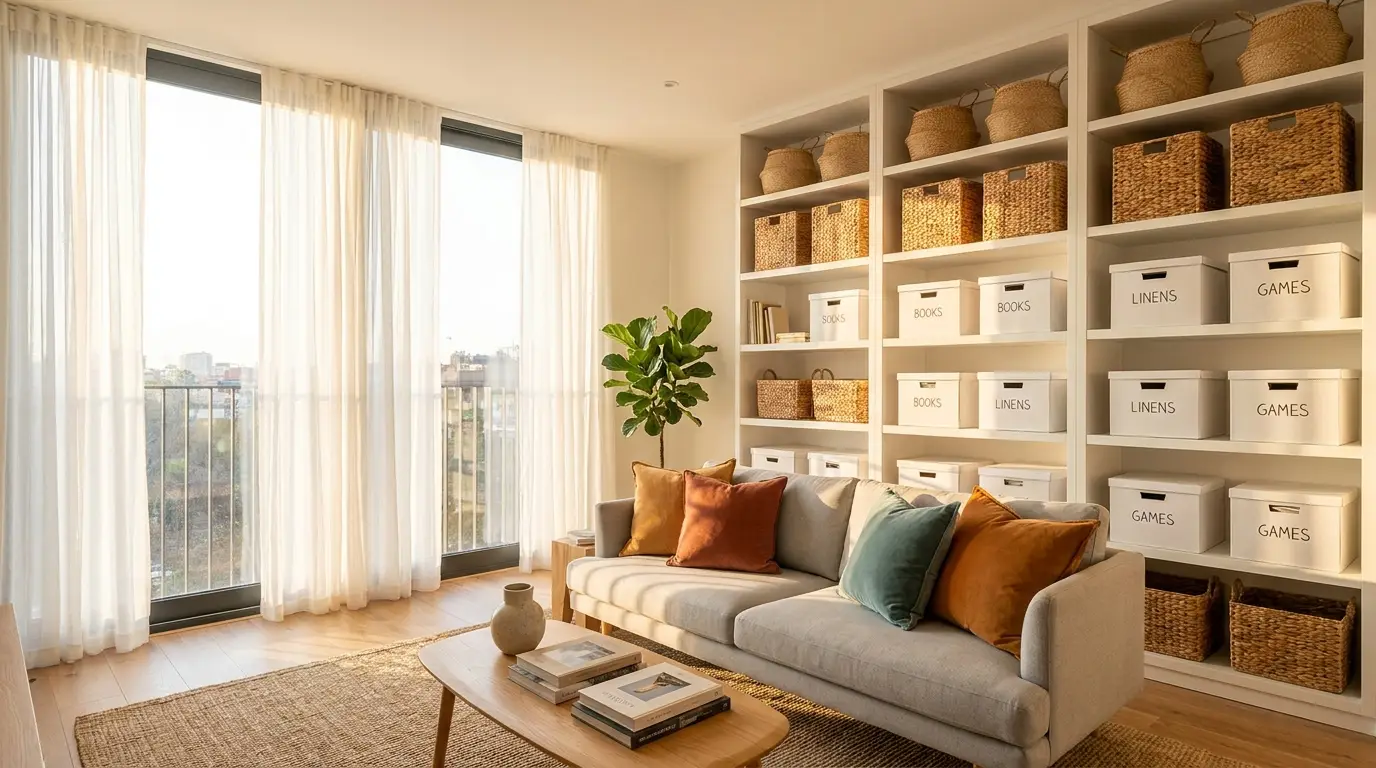
Living in a small home, apartment, or studio comes with undeniable charm — lower bills, less to clean, and a cozy atmosphere. But it also brings one major challenge: keeping everything organized when there’s barely room to breathe. The good news? With the right approach to small space organization, you can transform even the tiniest corner into a functional, clutter-free zone. This guide walks you through practical decluttering strategies, smart storage solutions, and room-by-room tips to help you reclaim your space.
Why Small Space Organization Matters
When square footage is limited, every item earns its place — or it doesn’t. Disorganization in a small home becomes visible almost instantly, making the space feel cramped, stressful, and harder to clean. A well-organized small space, on the other hand, feels intentional, peaceful, and surprisingly spacious.
Studies on home environments consistently show that clutter raises cortisol levels and contributes to decision fatigue. In a small home, that effect is amplified because there’s nowhere for the mess to hide. Tackling organization isn’t just about aesthetics — it’s about mental clarity and daily ease.
Step 1: Declutter Before You Organize
The biggest mistake people make is buying bins and baskets before sorting through what they own. Storage solutions multiply clutter if you skip the decluttering step. Start here instead:
The Four-Box Method
Grab four boxes or bags and label them: Keep, Donate, Trash, Relocate. Work through one drawer, shelf, or closet at a time. Don’t move to the next area until the current one is fully sorted. This prevents overwhelm and creates momentum.
Ask the Right Questions
- Have I used this in the last 12 months?
- Would I buy it again today?
- Does it have a designated home in my space?
- Am I keeping it out of guilt or obligation?
If the answer leans toward “no,” it’s time to let it go.
The One-In, One-Out Rule
Once you’ve decluttered, maintain your progress by adopting this simple rule: for every new item you bring home, one must leave. It’s especially effective for clothes, kitchenware, and decor in small spaces.
Step 2: Maximize Vertical Space
In small homes, floor space is precious — but wall and vertical space is often underused. Looking up is one of the easiest ways to add storage without sacrificing room.
Wall-Mounted Shelves
Floating shelves above doorways, around windows, and in unused corners create storage for books, plants, and decorative baskets that hide everyday clutter.
Over-the-Door Organizers
From pantries to bathrooms to bedroom closets, over-the-door racks are small-space heroes. Use them for shoes, cleaning supplies, accessories, or pantry staples.
Tall, Narrow Furniture
Swap wide dressers for tall, slim storage towers. They use less floor area while offering the same — or more — capacity. Look for pieces with multiple drawers or adjustable shelves.
Step 3: Choose Multi-Functional Furniture
Furniture that pulls double duty is a game-changer for small spaces. Every piece should ideally serve two or more purposes.
- Storage ottomans work as seating, footrests, and hidden bins for blankets or toys.
- Bed frames with built-in drawers replace the need for a dresser.
- Lift-top coffee tables reveal hidden storage and convert into workstations.
- Folding dining tables tuck against the wall when not in use.
- Sofa beds turn living rooms into guest rooms instantly.
Step 4: Organize Room by Room
Kitchen
Small kitchens demand strategy. Use stackable shelf risers inside cabinets to double vertical space. Add a magnetic strip for knives, hang pots on a wall rack, and use clear airtight containers for pantry goods so you can see what you have at a glance. Drawer dividers prevent the dreaded utensil avalanche.
Bathroom
Install a tension rod inside cabinets to hang spray bottles, freeing shelf space below. Use stackable acrylic bins for makeup and toiletries. A shower caddy with adjustable shelves keeps daily products organized without drilling holes.
Bedroom
Under-bed storage containers on wheels are ideal for seasonal clothing, shoes, or extra linens. Slim velvet hangers in the closet take up less space than plastic ones and prevent slipping. A nightstand with drawers reduces surface clutter.
Living Room
Use baskets on shelves to corral remotes, chargers, and small items. A cord organizer behind the TV stand keeps cables tidy. Choose decor with purpose — a beautiful tray, for instance, can group candles and coasters into one intentional vignette instead of scattered clutter.
Entryway
Even a tiny entryway benefits from a wall-mounted hook rack, a small bench with shoe storage underneath, and a key bowl. This prevents the daily dump of items onto countertops.
Step 5: Use Clear, Labeled Storage
You can’t use what you can’t find. Clear bins, labeled drawers, and transparent containers turn chaotic cabinets into functional systems. Labels also help everyone in the household maintain the system — not just the person who created it.
For pantries, decant dry goods into matching containers. For closets, label shelves by category (workout clothes, sweaters, accessories). Consistency is key to long-term success.
Step 6: Create Zones
Even in a studio apartment, you can create distinct zones for different activities. A rug defines a living area, a bookshelf divides a sleeping nook, and a small desk creates a work zone. Zoning helps each item find its proper home and prevents categories from bleeding into one another.
Step 7: Adopt Daily Reset Habits
Organization isn’t a one-time event — it’s a daily practice. Build these habits to keep your small space in order:
- 10-minute nightly tidy: Reset surfaces before bed.
- Make your bed every morning: It instantly makes a small bedroom feel calmer.
- Wash dishes after each meal: Small kitchens can’t handle pile-up.
- Process mail and packages immediately: Don’t let paper clutter accumulate.
- Sunday reset: Spend 30 minutes preparing your space for the week ahead.
Common Small-Space Organization Mistakes to Avoid
- Over-buying storage containers: Declutter first, then buy only what you need.
- Using mismatched bins: Visual chaos creates mental chaos. Stick to a cohesive look.
- Ignoring the ceiling-to-floor zone: Tall shelving makes a huge difference.
- Keeping duplicates: Two can openers, three spatulas — small homes have no room for extras.
- Storing things where they don’t get used: Keep items near where you actually use them.
Final Thoughts
Small space organization isn’t about restriction — it’s about intention. When every item has a purpose and a place, your home feels larger, calmer, and easier to enjoy. Start with one drawer, one shelf, or one corner today. Momentum builds quickly, and before long, your tiny home will feel like the spacious sanctuary you’ve always wanted.
FAQ
Frequently Asked Questions
How do I start organizing a very cluttered small space?
Start with one small area — a single drawer or shelf — not the whole room. Use the four-box method (Keep, Donate, Trash, Relocate) and work in 20-30 minute sessions to avoid burnout. Small wins build momentum.
What’s the best storage solution for tiny apartments?
Multi-functional furniture combined with vertical storage offers the most impact. Storage ottomans, under-bed bins, wall shelves, and over-the-door organizers maximize every inch without crowding the floor.
How often should I declutter a small home?
A deep declutter once or twice a year works for most people, paired with mini sessions every season. The one-in, one-out rule helps prevent buildup between major decluttering rounds.
Can a small space look stylish and organized at the same time?
Absolutely. Choose cohesive storage containers, neutral baskets, and matching hangers to create a polished look. Visual consistency makes organized small spaces feel intentional and beautifully curated.
What’s the biggest mistake people make in small space organization?
Buying storage bins before decluttering. Storage should support what you actually own and use, not become another way to hide clutter you should have let go of.