
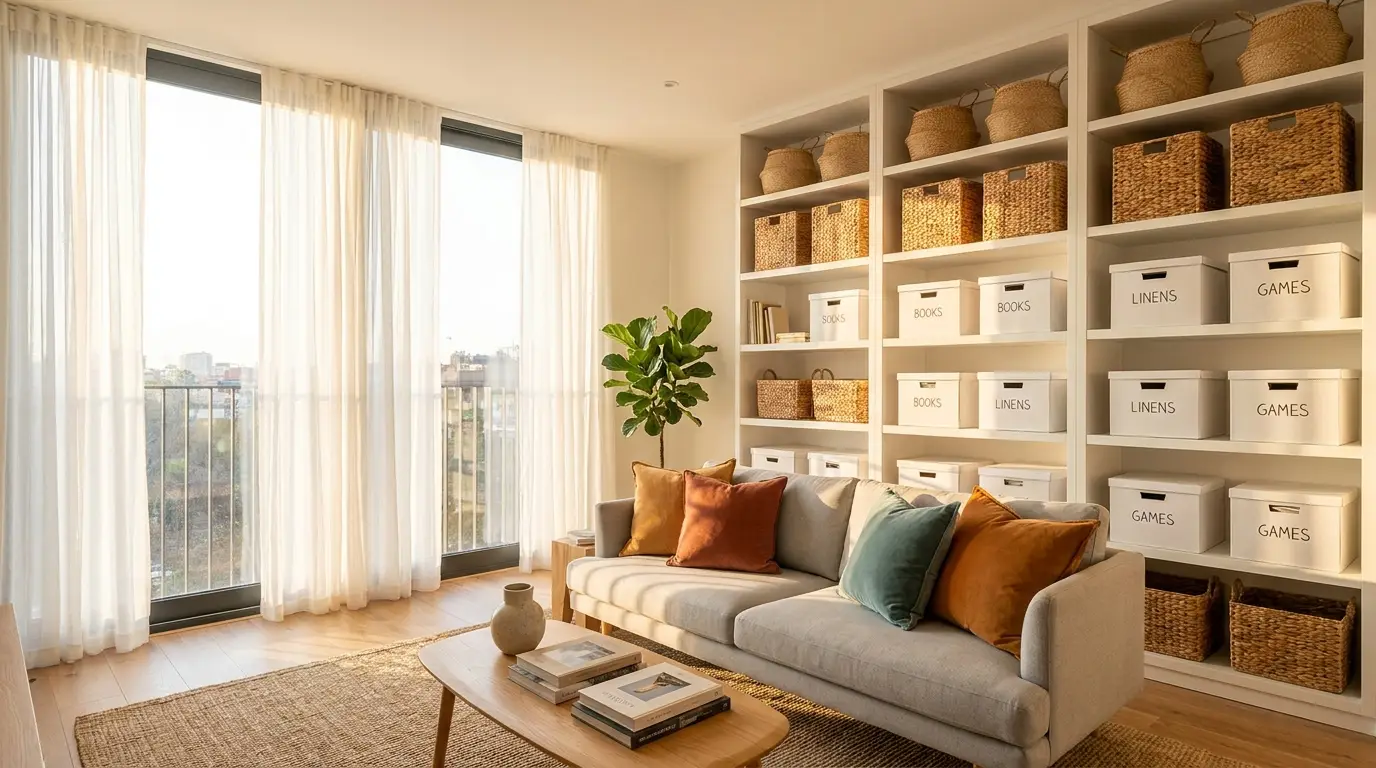
Living in a small home, apartment, or studio comes with undeniable charm—lower bills, less to clean, and a cozy footprint. But without a smart system, every square foot can quickly feel cluttered and chaotic. The good news? Effective small space organization isn’t about owning less for the sake of it. It’s about being intentional with what you keep and creative with where you store it.
In this guide, you’ll learn how to declutter strategically, maximize vertical and hidden storage, and build daily habits that keep your home tidy long-term—no matter how compact it is.
Why Small Space Organization Matters More Than Ever
According to housing trend reports, the average home size in many urban areas continues to shrink, while the amount of stuff we own keeps growing. That mismatch is a recipe for stress. Studies in environmental psychology have repeatedly linked cluttered environments to higher cortisol levels, poor sleep, and reduced focus.
When you organize a small space well, you’re not just creating visual calm—you’re reclaiming time, energy, and mental clarity. A tidy home means less time hunting for keys, fewer duplicate purchases, and more room (literally and figuratively) for the things that matter.
Step 1: Declutter Before You Organize
The biggest mistake people make in tight spaces is buying bins and baskets before they’ve sorted what they actually own. Storage solutions can’t fix a clutter problem—they just hide it.
The 4-Box Method
Grab four boxes or bags and label them: Keep, Donate, Trash, Relocate. Go through one zone at a time (a single drawer, one shelf, one corner). Touch every item and decide quickly. If you haven’t used it in 12 months and it has no sentimental value, it likely doesn’t deserve premium real estate in your small home.
Apply the “One In, One Out” Rule
Once decluttered, commit to this rule: for every new item you bring home, one similar item leaves. This is especially powerful for clothing, kitchen gadgets, and beauty products—categories that tend to multiply silently.
Be Honest About Sentimentality
Memory-keeping doesn’t require keeping every object. Consider photographing sentimental items before donating them, or curating a single “memory box” that fits under your bed. The memory lives in you, not in the object.
Step 2: Maximize Vertical Space
In small homes, your walls and the backs of doors are your most underused real estate. Looking up—literally—can double your storage capacity.
Wall-Mounted Shelves
Floating shelves above doorways, around windows, and in unused corners can hold books, plants, kitchen jars, or bathroom essentials. In the kitchen, a wall-mounted pegboard can store pots, utensils, and even small produce baskets.
Over-the-Door Organizers
Clear pocket organizers work wonders on closet, pantry, and bathroom doors. Use them for shoes, cleaning supplies, snacks, accessories, or craft supplies. They’re inexpensive and instantly add a full storage zone without taking floor space.
Tall, Narrow Furniture
Choose bookcases, shelving units, and cabinets that are tall rather than wide. A slim 6-foot shelf takes up the same floor footprint as a short 3-foot one but offers twice the storage.
Step 3: Embrace Multi-Functional Furniture
Every piece of furniture in a small space should pull double duty. Look for hidden storage built into the things you already need.
- Storage ottomans – Seating plus a hidden bin for blankets, remotes, or kids’ toys.
- Beds with built-in drawers or lift-up frames – Reclaim the wasted space under your mattress for clothing, linens, or off-season gear.
- Nesting tables – Tuck away when not needed, spread out when guests arrive.
- Folding desks and drop-leaf tables – Perfect for studios and dual-purpose dining/work areas.
- Sofa beds and convertible furniture – Turn a living room into a guest room without dedicating square footage.
Step 4: Create Zones, Even in One Room
When you don’t have separate rooms, you can still create the feeling of separation. Defined zones reduce visual chaos and help your brain switch modes between work, rest, and relaxation.
Use Rugs to Anchor Spaces
A rug under your desk signals “workspace,” while a different rug under your sofa creates a “living room.” This visual cue makes a studio feel larger and more organized.
Room Dividers and Curtains
Open shelving units, folding screens, or even hanging curtains can separate a sleeping area from a living area without blocking light. Bonus: open shelves give you more storage and display space.
Lighting Layers
Task lighting at a desk, ambient lighting in a reading nook, and overhead lighting for the whole room mentally divide one space into several functional areas.
Step 5: Tame the Hot Zones
Some areas in any home—small or large—attract clutter like magnets. Tackle these first for the biggest visual payoff.
The Entryway
Even a tiny entryway needs three things: a hook for bags and coats, a tray or bowl for keys and mail, and a basket or boot tray for shoes. A slim wall-mounted shelf with hooks underneath can solve all three in under one square foot.
The Kitchen Counter
Counters should hold only what you use daily. Move the toaster, blender, and coffee accessories you use weekly into cabinets or onto a rolling cart. Use drawer dividers, tiered shelves inside cabinets, and clear stackable bins in the pantry to multiply usable space.
The Bathroom
Small bathrooms benefit hugely from over-the-toilet shelving, magnetic strips for bobby pins, and tiered organizers under the sink. Toss expired products quarterly—they’re the silent space-hoggers of every bathroom.
The Closet
Add a second hanging rod to double clothing capacity. Use slim velvet hangers to save inches. Store off-season clothes in vacuum-sealed bags under the bed or on a top shelf.
Step 6: Build Tidy Habits That Stick
Organization isn’t a one-time project—it’s a daily practice. In small spaces, even minor clutter shows immediately, which is actually a blessing in disguise. It forces you to stay on top of things.
The 10-Minute Reset
Every evening, set a timer for 10 minutes and reset your space. Put items back in their homes, wipe surfaces, and prep for the next morning. Small homes can go from messy to magazine-ready in less time than a sitcom episode.
Everything Needs a Home
If an item doesn’t have a designated spot, it will end up on a counter, chair, or floor. When you bring something new home, decide where it lives before you set it down for the first time.
Do a Monthly Mini-Declutter
Pick one drawer, shelf, or category each month and reevaluate. This prevents the slow creep of clutter that sneaks up over time.
Smart Storage Categories Worth Investing In
Not all organizers are created equal. These categories deliver the highest impact in tight spaces:
- Clear stackable bins – You can see contents at a glance and stack vertically.
- Drawer dividers – Turn one chaotic drawer into 4-6 organized compartments.
- Tension rods – Use under sinks for spray bottles or inside cabinets to separate trays.
- Lazy Susans – Perfect for corner cabinets, fridges, and bathroom counters.
- Vacuum storage bags – Compress bulky bedding and seasonal clothes by up to 75%.
- Adhesive hooks and racks – Add storage without drilling, ideal for renters.
Common Small Space Mistakes to Avoid
Buying storage before decluttering: You’ll just organize stuff you don’t need.
Choosing dark, heavy furniture: Lighter colors and legged furniture create the illusion of more space.
Ignoring vertical space: If your walls are bare above eye level, you’re leaving storage on the table.
Overstuffing visible shelves: Leave some negative space. Visual breathing room makes the whole home feel calmer.
Forgetting maintenance: Even the best system fails without daily upkeep.
Final Thoughts
Small space organization is less about square footage and more about mindset. When you combine intentional decluttering, smart vertical storage, multi-functional furniture, and consistent daily habits, even the tiniest apartment can feel spacious, peaceful, and uniquely yours. Start with one drawer, one corner, or one shelf today—and let the momentum carry you forward.
FAQ
Frequently Asked Questions
Where should I start when organizing a small space?
Start with the most visible high-traffic area, like your entryway, kitchen counter, or living room. Decluttering these zones first delivers instant visual relief and motivates you to keep going.
What’s the best storage solution for renters who can’t drill into walls?
Adhesive hooks, tension rods, over-the-door organizers, and freestanding shelving units are all renter-friendly options that add significant storage without damaging walls.
How do I keep a small space organized long-term?
Follow the “one in, one out” rule, do a 10-minute daily reset, and commit to a monthly mini-declutter. Consistency beats perfection every time.
Are clear bins really better than decorative baskets?
For functional storage (pantry, closets, under-sink), clear bins win because you can see contents instantly. Decorative baskets are better for visible areas where you want a tidier aesthetic.
How can I make a studio apartment feel bigger?
Use light colors, mirrors, tall narrow furniture, layered lighting, and defined zones with rugs. Keep walkways clear and avoid blocking natural light with bulky furniture.
What should I declutter first if I feel overwhelmed?
Start with obvious trash and expired items—old food, expired beauty products, broken electronics. These quick wins build momentum without requiring emotional decisions.