
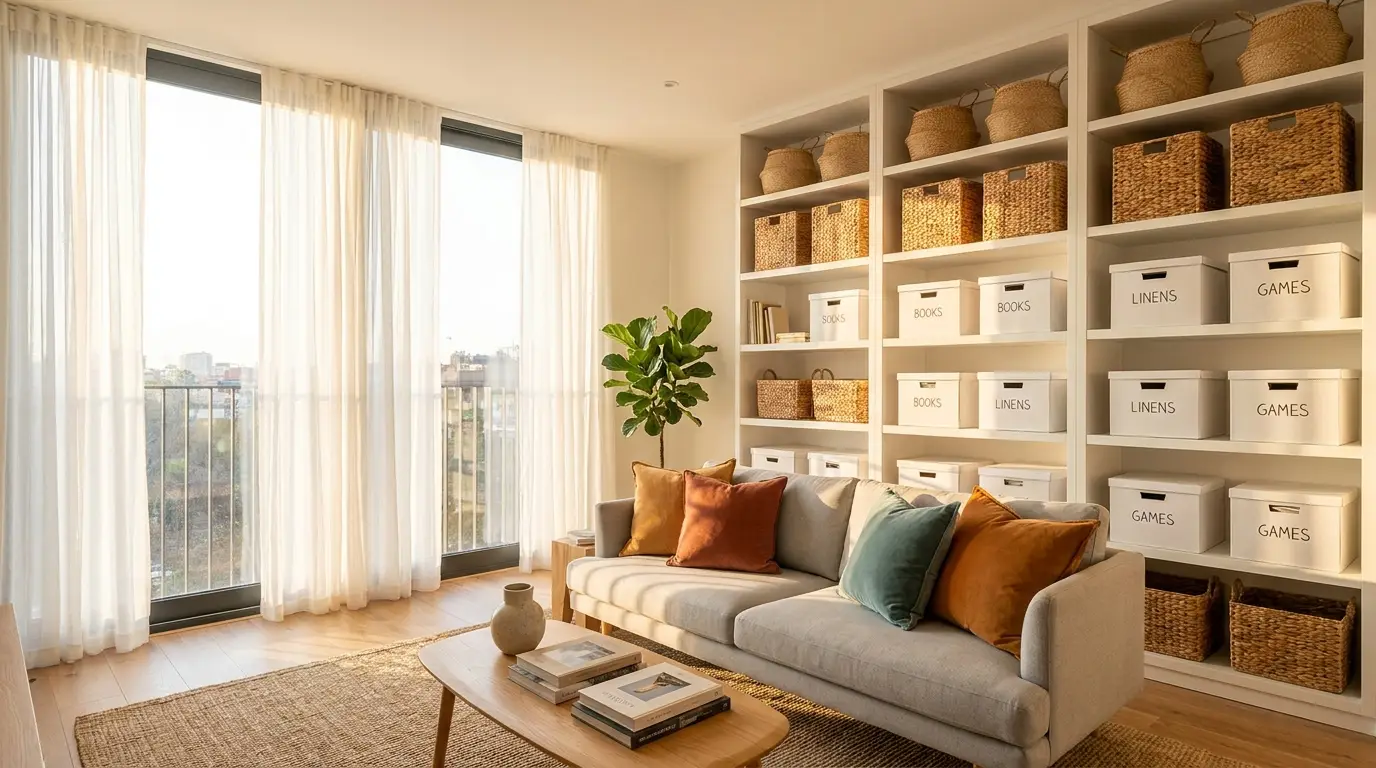
Living in a small home, apartment, or studio can feel cozy and intentional—until clutter takes over. When square footage is limited, every item you own competes for space, and even minor messes can make a room feel chaotic. The good news? With the right approach to small space organization, you can transform a cramped home into a functional, calming retreat without knocking down a single wall.
This guide walks you through practical decluttering strategies, room-by-room storage solutions, and habits that keep small spaces tidy long-term. Whether you live in a 400-square-foot studio or simply want to make better use of a compact bedroom, these tips will help you maximize every inch.
Why Small Space Organization Matters
Clutter doesn’t just look messy—it affects how you feel. Studies in environmental psychology have linked disorganized spaces to higher stress levels, reduced focus, and even poor sleep. In a small home, those effects are amplified because there’s nowhere for the chaos to hide.
Organizing a small space well delivers three big benefits:
- More usable square footage by reclaiming wasted vertical and hidden space.
- Lower stress from visible order and easier cleaning.
- Better function so daily routines (cooking, working, sleeping) flow smoothly.
Step 1: Declutter Before You Organize
Storage bins won’t fix a clutter problem—they’ll just hide it. Before you buy a single organizer, commit to a thorough decluttering session.
Use a Proven Decluttering Method
Pick a framework that matches your personality:
- The KonMari Method: Sort by category (clothes, books, papers, etc.) and keep only items that “spark joy.”
- The Four-Box Method: Label four boxes Keep, Donate, Trash, and Relocate. Touch each item once and decide.
- The 90/90 Rule: If you haven’t used an item in the past 90 days and don’t plan to in the next 90, let it go.
- The One-In, One-Out Rule: Every new item that enters your home means one similar item leaves.
Start Small to Build Momentum
Don’t tackle your entire apartment in one weekend. Begin with a single drawer, shelf, or countertop. Small wins build motivation and make the larger project feel doable.
Step 2: Maximize Vertical Space
In small homes, the walls are your secret weapon. Floor space is finite, but you can almost always add storage upward.
Wall-Mounted Storage Ideas
- Floating shelves above doorways and around windows for books, plants, or decor.
- Pegboards in kitchens, offices, or craft areas for tools, utensils, and supplies.
- Over-the-door organizers for shoes, pantry items, cleaning supplies, or accessories.
- Wall hooks and rails for bags, coats, mugs, or kitchen utensils.
Tall Furniture That Earns Its Footprint
Choose bookcases, wardrobes, and shelving units that reach close to the ceiling. A tall, narrow piece often stores more than a wide, low one—and draws the eye upward, making the room feel taller.
Step 3: Choose Multi-Functional Furniture
In a small space, every piece of furniture should pull double duty. Look for items that combine seating, sleeping, or storage.
- Storage ottomans that hide blankets, games, or off-season clothing.
- Bed frames with built-in drawers or enough clearance for under-bed bins.
- Sofa beds or futons for studios that double as guest rooms.
- Drop-leaf or extendable tables that fold down when not in use.
- Nesting tables that tuck away after company leaves.
Step 4: Conquer Hidden Spaces
Some of the best storage in a small home is invisible until you go looking for it.
Under the Bed
Use low-profile rolling bins or vacuum-sealed bags to store linens, sweaters, or shoes. Bed risers can add several inches of clearance if you need more room.
Inside Cabinet Doors
Attach adhesive hooks, small bins, or tension-rod racks to the inside of kitchen and bathroom cabinet doors. They’re perfect for cleaning sprays, lids, hair tools, and measuring cups.
Above the Toilet and Refrigerator
These often-overlooked zones are ideal for slim shelving units or baskets that store extra toiletries, paper goods, or rarely used appliances.
Step 5: Organize Room by Room
Kitchen
Kitchens collect more clutter per square foot than almost any other room. Focus on these high-impact upgrades:
- Add stackable shelf risers inside cabinets to double usable shelf space.
- Use drawer dividers for utensils, spices, and gadgets.
- Install a magnetic knife strip to free up counter and drawer space.
- Keep counters clear by storing small appliances you use less than weekly.
Bedroom
A cluttered bedroom interferes with rest. Aim for clear surfaces and accessible storage.
- Use slim velvet hangers to fit more clothes into a tight closet.
- Add a hanging shelf organizer for folded items if drawer space is tight.
- Store shoes in clear stackable boxes so you can see what you own.
Bathroom
Bathrooms are notoriously short on storage. Build up and out:
- Install a tiered shower caddy or corner shelves.
- Use acrylic drawer organizers for makeup and skincare.
- Add a rolling cart in narrow gaps between sink and wall.
Living Room
The living room is usually the most-used space, so storage needs to look intentional.
- Choose baskets with lids for blankets, remotes, and kids’ toys.
- Use cable management boxes to hide cords and power strips.
- Display fewer, more meaningful decor items—visual clutter reads as physical clutter.
Entryway
Even without a true foyer, you can create a landing zone with a wall-mounted hook rack, a slim console, and a small basket or tray for keys and mail.
Step 6: Build Habits That Keep Small Spaces Tidy
Organization isn’t a one-time project—it’s a daily practice. Small homes especially need consistent upkeep because there’s no room for things to pile up.
The 10-Minute Reset
Set a timer for 10 minutes each evening and put items back where they belong. A short, daily reset prevents weekend-long cleaning marathons.
The One-Touch Rule
Whenever possible, handle items only once. Open mail near the recycling bin. Hang up your coat the moment you walk in. Load dishes straight into the dishwasher instead of stacking them in the sink.
Schedule Seasonal Edits
Every three to four months, revisit a closet, drawer, or shelf. Donate anything you didn’t use last season. Regular edits keep clutter from creeping back in.Common Small Space Organization Mistakes to Avoid
- Buying storage before decluttering. You may not need as many bins as you think.
- Using mismatched containers. Cohesive bins and baskets make a space feel calmer.
- Ignoring vertical space. Walls are prime real estate in tiny homes.
- Overstuffing furniture with storage. Cramming bins under every surface can make rooms feel heavier, not lighter.
- Forgetting to label. If you can’t see inside a bin, you’ll forget what’s in it.
Final Thoughts
Small space organization isn’t about owning less for the sake of minimalism—it’s about owning the right things and giving each one a clear home. When you combine intentional decluttering, smart vertical storage, and multi-functional furniture, even the tiniest apartment can feel spacious, calm, and easy to maintain. Start with one drawer today, and let the momentum carry you through the rest of your home.
FAQ
Frequently Asked Questions
What’s the first step to organizing a small space?
Always declutter before buying storage. Sort your belongings using a method like the Four-Box system, donate or discard what you don’t need, and then assess what storage solutions will actually help.
How do I store seasonal items in a small apartment?
Use vacuum-sealed bags for bulky clothing and bedding, then tuck them under the bed, on top of closets, or in storage ottomans. Rotate items every season so only current essentials take up prime space.
What furniture works best for small spaces?
Look for multi-functional pieces like storage ottomans, beds with built-in drawers, drop-leaf tables, and tall narrow shelving. Furniture that combines two functions saves significant floor space.
How often should I declutter a small home?
A 10-minute daily reset combined with a deeper seasonal edit every three to four months is usually enough. Small homes show clutter quickly, so consistent maintenance prevents overwhelm.
How can I make a small room look bigger through organization?
Keep surfaces clear, use vertical storage, choose cohesive containers, and limit visible decor. Light colors, mirrors, and uncluttered sightlines also make small rooms feel more open.