
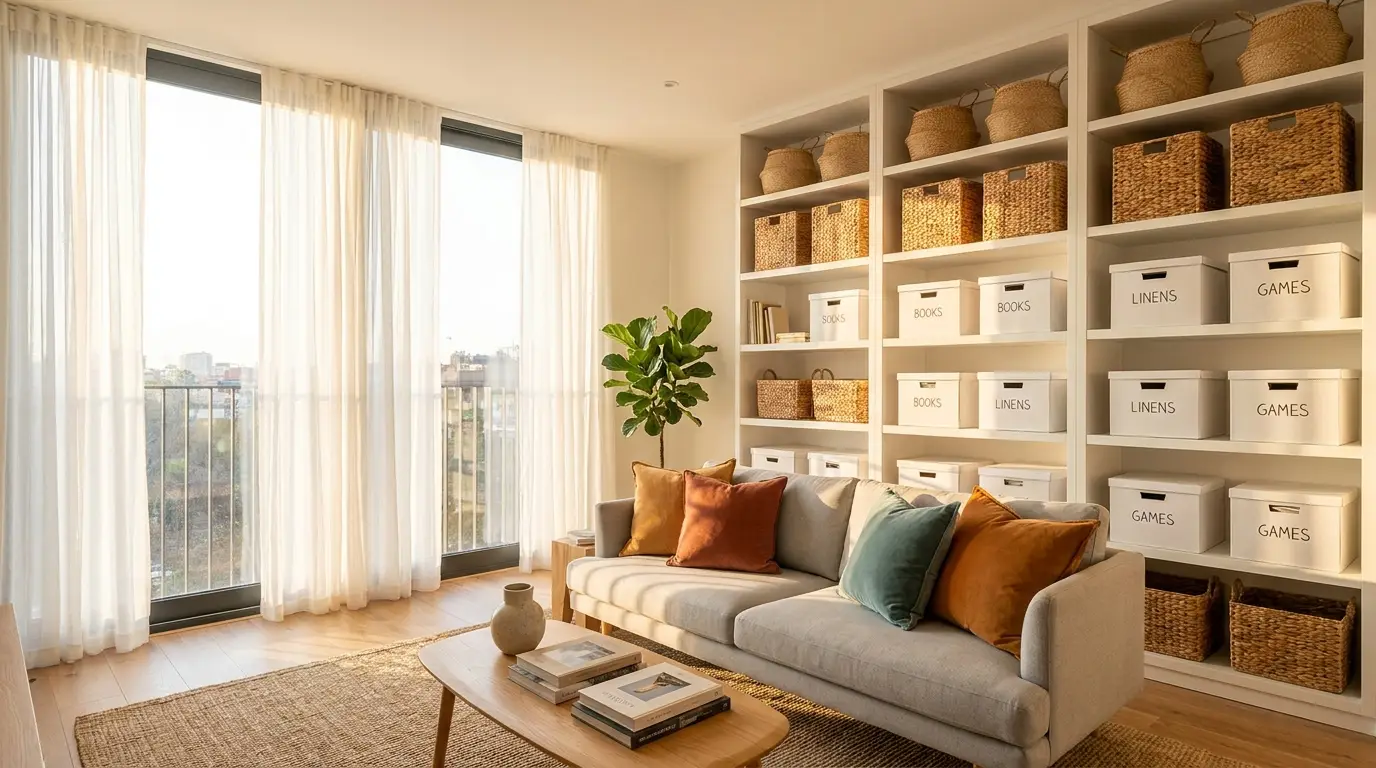
Living in a small space doesn’t mean you have to sacrifice style, comfort, or functionality. Whether you’re in a studio apartment, a tiny home, or just working with a compact bedroom, smart small space organization can transform cramped corners into highly functional zones. The secret? Thinking vertically, choosing multi-purpose pieces, and decluttering with intention.
In this guide, we’ll walk through 15 practical organization hacks that make even the tiniest rooms feel spacious, tidy, and welcoming. From under-bed storage solutions to clever kitchen organizers, these tips are designed to help you reclaim every inch.
Why Small Space Organization Matters
When square footage is limited, every item in your home competes for space. Disorganization quickly leads to visual clutter, which research has shown can increase stress and reduce productivity. A well-organized small space, on the other hand, feels calm, intentional, and significantly larger than it actually is.
The good news: you don’t need to renovate or move to enjoy a more organized home. With the right strategies and a few affordable tools, you can dramatically improve how your space looks and functions.
Start With a Decluttering Mindset
Before buying any storage products, take time to declutter. Adding more bins to a space packed with items you don’t use is a temporary fix at best.
The One-Year Rule
If you haven’t used an item in the past year (and it isn’t seasonal or sentimental), it’s probably time to let it go. Donate, sell, or recycle what no longer serves you.
Sort by Category, Not Location
Inspired by the popular KonMari method, sorting by category (clothes, books, papers) rather than by room helps you see how much you truly own and makes decisions easier.
15 Genius Small Space Organization Hacks
1. Go Vertical With Wall Shelves
When floor space is limited, look up. Floating wall shelves above doorways, beds, or sofas can hold books, plants, and decor without crowding your living area.
2. Use Over-the-Door Organizers
The back of any door is prime real estate. Over-the-door pocket organizers are perfect for shoes, toiletries, cleaning supplies, pantry items, or craft materials.
3. Invest in Under-Bed Storage
Low-profile rolling bins or vacuum-seal bags can store seasonal clothing, extra bedding, or shoes neatly out of sight.
4. Add Risers to Furniture
Bed risers instantly create several extra inches of hidden storage underneath. Use the space for flat bins or storage drawers designed to slide under furniture.
5. Choose Multi-Functional Furniture
Storage ottomans, lift-top coffee tables, and beds with built-in drawers help you double up on function without doubling up on furniture.
6. Hang a Pegboard
Pegboards aren’t just for garages. Install one in your kitchen, office, or entryway to hang anything from utensils to keys, headphones, or craft supplies.
7. Use Tension Rods Creatively
A simple tension rod under the sink can hang spray bottles, freeing up shelf space. Inside cabinets, they can separate cutting boards or baking sheets vertically.
8. Stack With Clear Bins
Clear, stackable bins make it easy to see what’s inside without digging. Use them in closets, pantries, and under sinks to maximize vertical space.
9. Maximize Closet Real Estate
Add a second closet rod, hanging shelves, or slim velvet hangers to fit significantly more clothing into the same closet. Shoe racks on the floor or door multiply storage further.
10. Use Drawer Dividers
Adjustable drawer dividers prevent the chaos of jumbled socks, utensils, or office supplies. Everything has a home, and you can find it instantly.
11. Try a Rolling Cart
A slim rolling cart can serve as a mobile pantry, bathroom storage, or craft station. Tuck it into narrow gaps when not in use.
12. Mount Magnetic Strips
Magnetic strips on kitchen walls hold knives, spice tins, and metal tools, freeing up drawer and counter space.
13. Hide Storage Behind the Couch
A narrow console table or set of slim baskets behind your sofa creates hidden storage and a surface for lamps or plants.
14. Use Stackable Shoe Organizers
Stackable shoe boxes or cubbies keep entryways tidy and prevent shoes from piling up on the floor.
15. Create Zones Within Rooms
In studios or open layouts, use rugs, bookshelves, or curtains to define separate areas for sleeping, working, and relaxing. This makes a single space feel like multiple rooms.
Room-by-Room Small Space Tips
Kitchen
Use tiered shelf risers inside cabinets, hang mugs from under-shelf hooks, and store rarely-used appliances on top of the fridge in labeled bins.
Bathroom
Install a shower caddy that hangs from the showerhead, use stackable bins under the sink, and add a small wall cabinet above the toilet for towels and toiletries.
Bedroom
Use the back of the bedroom door for jewelry or accessory organizers, and keep a small nightstand with drawers instead of an open table.
Living Room
Choose furniture with hidden storage, use baskets for blankets and remotes, and mount your TV to free up floor space.
Entryway
Even a tiny entryway benefits from a wall-mounted hook rack, a small bench with shoe storage underneath, and a key holder.
Habits That Keep Small Spaces Organized
Storage tools work best when paired with daily habits. Try these:
- The one-in, one-out rule: When something new comes in, something old goes out.
- Nightly 10-minute reset: Spend 10 minutes each evening returning items to their homes.
- Weekly decluttering check-ins: Walk through each room and remove items that have crept out of place.
- Mail and paper management: Sort mail immediately and shred or recycle what you don’t need.
Common Small Space Organization Mistakes
Avoid these pitfalls that sabotage even the best storage systems:
- Overbuying bins before decluttering — fix the problem first, then organize what remains.
- Ignoring vertical space — walls and the back of doors are often underused.
- Choosing form over function — pretty baskets that don’t fit your needs become clutter themselves.
- Not labeling — labels save time and help everyone in the household stay organized.
Final Thoughts
Small space organization isn’t about cramming more into less — it’s about being intentional with what you own and how you store it. By combining smart storage tools, vertical thinking, multi-purpose furniture, and consistent habits, you can make any small space feel calm, spacious, and beautifully functional.
Start with one room, one drawer, or even one shelf. Small wins build momentum, and before you know it, your entire home will feel transformed.
FAQ
Frequently Asked Questions
What is the best way to organize a small apartment?
Start by decluttering, then focus on vertical storage, multi-functional furniture, and clear bins. Use the back of doors, under-bed space, and walls to maximize every square foot.
How do I organize a small bedroom with lots of stuff?
Use under-bed storage, add a second closet rod, install wall shelves, and choose a bed with built-in drawers. Decluttering clothing and accessories you no longer use is equally important.
What furniture is best for small spaces?
Multi-functional pieces work best — storage ottomans, lift-top coffee tables, beds with drawers, and slim console tables all provide storage without taking up extra room.
How can I make my small space feel bigger?
Keep surfaces clear, use light colors, hang mirrors to reflect light, mount your TV, and define zones with rugs. Reducing visual clutter makes any space feel larger.
How often should I declutter a small space?
A quick weekly check-in plus a deeper seasonal declutter (every 3 months) helps prevent buildup. Following the one-in, one-out rule keeps things manageable year-round.