
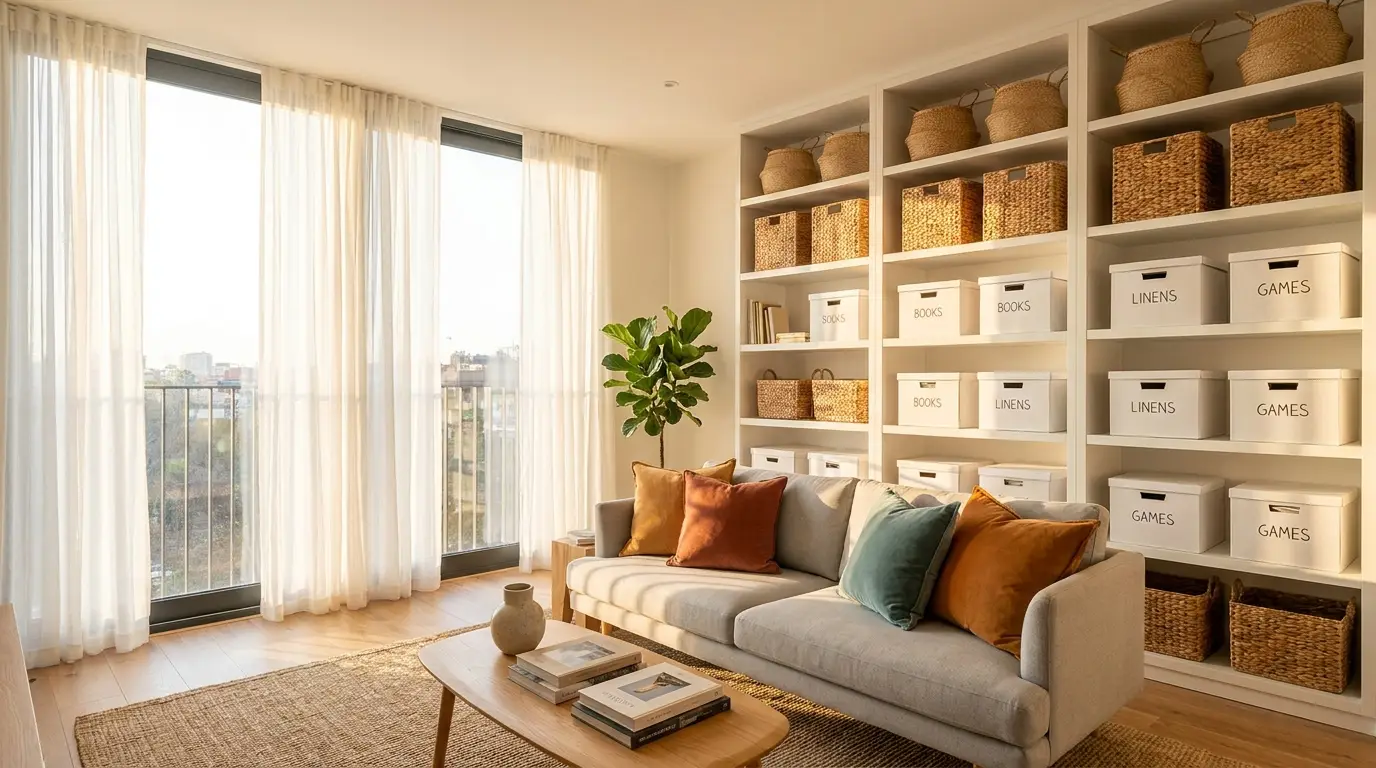
Living in a small home, apartment, or studio doesn’t mean you have to sacrifice style or sanity. With the right small space organization strategies, even the tiniest rooms can feel spacious, functional, and clutter-free. Whether you’re working with a cramped closet, a compact kitchen, or a shoebox studio, the secret lies in thinking vertically, choosing multi-purpose items, and ruthlessly editing what you own.
In this guide, we’ll walk through 15 practical, tested hacks for organizing small spaces—plus product categories worth considering to make the most of every square foot.
Why Small Space Organization Matters
A well-organized small space isn’t just visually appealing—it directly impacts your daily life. Studies on clutter and mental health consistently show that disorganized environments increase stress, reduce focus, and make routine tasks feel overwhelming. When square footage is limited, every misplaced item feels amplified.
The good news? Small spaces are actually easier to organize than larger ones because you’re forced to be intentional. There’s no room to stash things you don’t need.
Start With a Declutter, Not a Shopping Spree
Before buying a single storage bin, take inventory. The biggest mistake people make is purchasing organizers to contain clutter they should have tossed in the first place.
The 3-Box Method
- Keep: Items you use regularly or genuinely love
- Donate/Sell: Items in good condition you no longer need
- Trash/Recycle: Broken, expired, or unusable items
Work through one zone at a time—a single drawer, shelf, or closet—rather than tackling an entire room. This prevents burnout and creates visible wins quickly.
Think Vertical: Use Wall and Door Space
When floor space is limited, walls and doors become prime real estate. Vertical organization can effectively double your usable storage.
Over-the-Door Organizers
Over-the-door organizers are one of the most underrated tools for small spaces. Use them on pantry doors for snacks and spices, bathroom doors for toiletries, or bedroom doors for shoes and accessories.
Wall-Mounted Shelves and Pegboards
Floating shelves above doorways, sofas, or beds create storage where there was none. Pegboards in kitchens, home offices, or craft areas keep frequently used items visible and within reach.Tension Rods
A simple tension rod under the sink can hang spray bottles, freeing up shelf space below. Inside cabinets, they can hold cutting boards or baking sheets upright.
Multi-Purpose Furniture Is Your Best Friend
In small spaces, every piece of furniture should earn its keep by serving more than one purpose.
Storage Ottomans and Benches
A storage ottoman doubles as seating, a footrest, and a hidden bin for blankets, magazines, or kids’ toys. Entryway benches with cubbies provide a place to sit while hiding shoes and bags.
Bed Frames With Drawers
The space under your bed is one of the largest untapped storage zones in any home. Bed frames with built-in drawers or low-profile under-bed storage containers can hold off-season clothing, extra bedding, or shoes.
Murphy Beds and Convertible Desks
For true micro-living, convertible furniture like wall beds or fold-down desks transforms a single room into a bedroom, office, and living area throughout the day.
Master the Art of the Closet
Small closets are notorious problem zones, but a few smart tweaks can dramatically increase capacity.
Slim Velvet Hangers
Swapping bulky plastic or wooden hangers for slim velvet ones can increase closet capacity by 30–50%. They also prevent clothes from slipping off.
Double Hang Rods
Adding a second hanging rod below your existing one essentially doubles your hanging space—perfect for shorter items like shirts, skirts, and folded pants.
Shelf Dividers and Bins
Acrylic or wire shelf dividers keep stacked sweaters and jeans from toppling. Clear bins on upper shelves store seasonal items while keeping contents visible.
Kitchen Small Space Solutions
Tiny kitchens demand creative thinking. Counter space is precious, so the goal is to get as much off the counters as possible.
Magnetic Knife Strips and Spice Racks
A magnetic strip on the wall replaces a bulky knife block. Magnetic spice tins on the side of the fridge keep seasonings accessible without taking up cabinet space.
Stackable and Nesting Cookware
Replace mismatched pots and pans with a nesting set designed to stack neatly. The same goes for mixing bowls and food storage containers.
Under-Shelf Baskets
Slide-under baskets that hook onto existing shelves add an instant extra layer of storage in cabinets and pantries.
Lazy Susans
Turntables in corner cabinets, under the sink, or in the fridge make hard-to-reach items accessible with a simple spin.
Bathroom Storage Hacks
Small bathrooms benefit enormously from vertical thinking and clever use of dead space.
Over-the-Toilet Shelving
The wall above the toilet is almost always wasted. An over-the-toilet shelving unit or floating shelves can hold towels, toiletries, and decor.
Drawer Dividers
Acrylic or bamboo drawer dividers turn one chaotic drawer into multiple organized compartments for makeup, hair tools, and grooming supplies.
Shower Caddies and Corner Shelves
Tension-pole corner caddies use vertical shower space efficiently without requiring any drilling.
Entryway and Mudroom Tricks
Even without a dedicated mudroom, you can create a functional entryway in just a few square feet.
Wall Hooks and Key Holders
A row of sturdy wall hooks handles coats, bags, and dog leashes. Add a small wall-mounted shelf with hooks underneath for a complete drop zone.
Slim Console Tables
A narrow console table (10–12 inches deep) provides a landing spot for mail and keys without blocking traffic flow.
Maintain the System
Organization isn’t a one-time event—it’s an ongoing habit. To keep your small space tidy long-term:
- One in, one out: For every new item that enters your home, one similar item leaves
- 10-minute daily reset: Spend 10 minutes each evening returning items to their homes
- Seasonal edits: Every three months, reassess what’s earning its space
- Labels: Clear labels on bins and containers help everyone in the household maintain the system
Common Small Space Organization Mistakes to Avoid
Even with good intentions, it’s easy to fall into traps that undermine your efforts:
- Buying storage before decluttering: You’ll end up organizing items you don’t need
- Ignoring vertical space: Walls and doors are storage goldmines
- Choosing form over function: Pretty bins that don’t fit your actual stuff are wasted money
- Overstuffing: Leave breathing room—cramming everything in defeats the purpose
- Forgetting to measure: Always measure spaces and items before purchasing organizers
Final Thoughts
Mastering small space organization is less about owning fancy gadgets and more about being intentional with what you keep and how you store it. Start small, work zone by zone, and prioritize multi-purpose solutions that maximize vertical and hidden space. With consistent habits and the right tools, even the tiniest home can feel calm, spacious, and uniquely yours.
FAQ
Frequently Asked Questions
What’s the first step in organizing a small space?
Always start with decluttering before buying any storage products. Use the 3-box method (keep, donate, trash) on one small zone at a time. This ensures you only organize items you actually need and use.
How do I maximize storage in a tiny apartment?
Focus on vertical space (walls and doors), invest in multi-purpose furniture like storage ottomans and bed frames with drawers, and use organizers like over-the-door racks, under-bed bins, and stackable containers to take advantage of every inch.
Are expensive organizers worth it for small spaces?
Not necessarily. Affordable options like tension rods, slim velvet hangers, and clear plastic bins often work just as well as premium products. The key is matching the organizer to your specific needs and measuring before buying.
How often should I reorganize my small space?
Do a 10-minute daily reset, a deeper edit every season, and a full reassessment annually. Following a ‘one in, one out’ rule helps prevent clutter from building back up between major reorganizations.
What’s the best way to organize a small closet?
Use slim velvet hangers to maximize hanging capacity, add a second hanging rod for shorter items, use shelf dividers for stacked clothing, and store seasonal items in clear bins on upper shelves or under the bed.