
Smart bird feeder technology is rapidly transforming backyard birdwatching, combining real-time cameras, artificial intelligence, and app integration for an entirely new experience. If you want to attract more birds, learn about their habits, or simply add a touch of smart convenience to your outdoor space, smart feeders now offer impressive features and some real-world downsides you should know.
Key Takeaways
- The smart bird feeder market is growing rapidly, driven by demand for digital connectivity and integrated cameras.
- Most models offer app-based notifications, bird recognition, and even smart home integration, but user-facing technical issues remain underreported.
- Carefully consider feature sets, privacy, and real-world usability before investing in any connected outdoor feeder.
- What Is a Smart Bird Feeder and Why Consider One?
- Quick Start: Setting Up a Smart Bird Feeder & Maximizing Its Benefits
- Advanced Analysis & Common Pitfalls
- Conclusion
- Frequently Asked Questions
What Is a Smart Bird Feeder and Why Consider One?
Smart bird feeders blend traditional feeder designs with connected technology. Unlike standard models, these feeders often feature integrated cameras, AI bird recognition, app notifications, motion sensors, and sometimes even solar panels for self-sustaining power. The ecosystem is expanding quickly—valued at $162.5 million globally in 2024, while the smart bird feeder camera segment alone reached $231.8 million, with high projected growth rates for years ahead.source
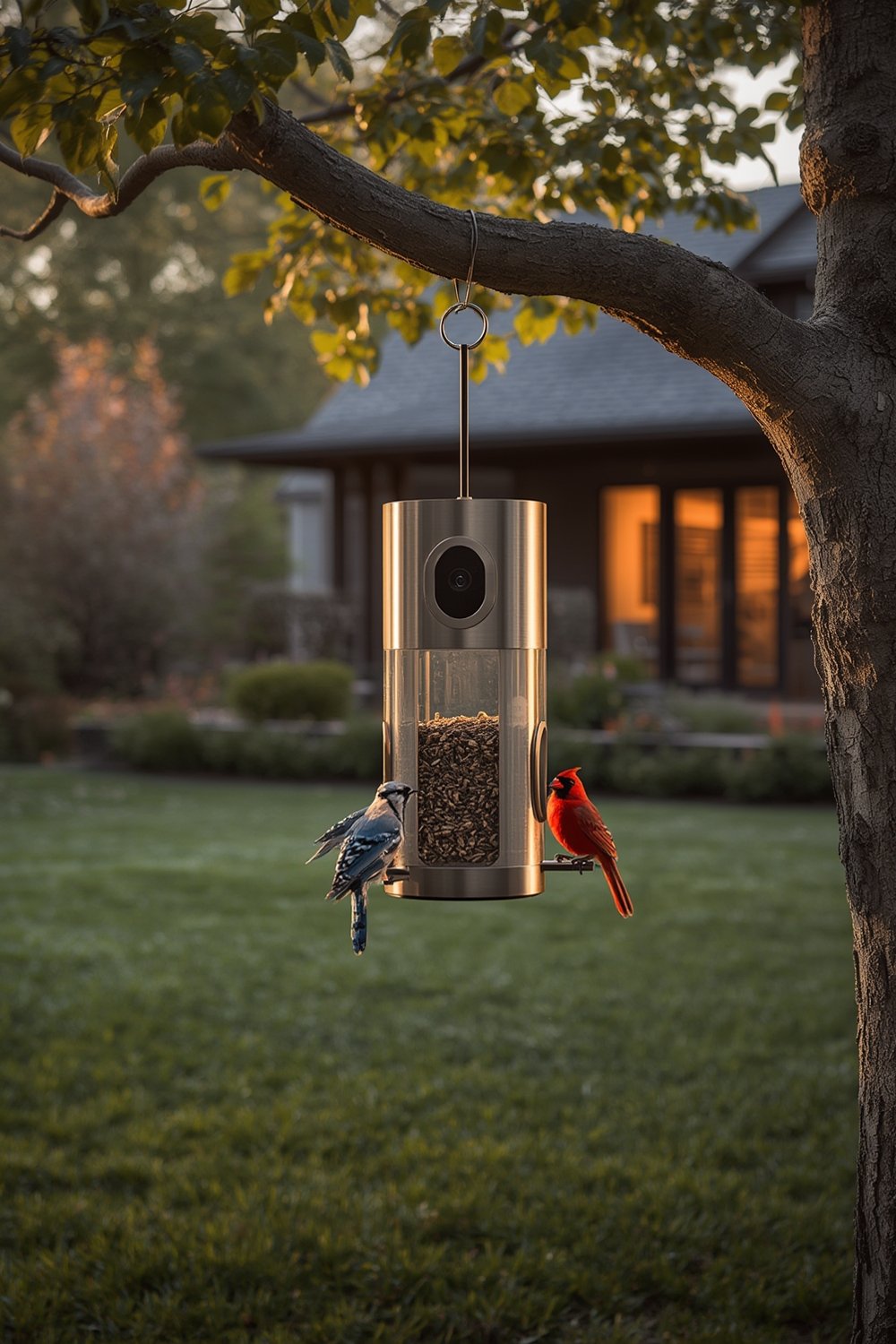
With trends showing integration with Google Home, Alexa, and other smart home systems, these feeders don’t just attract birds—they bring live birdwatching and learning to your smartphone. Even the broader outdoor bird feeder market, topping $1.09-$1.2 billion this year, is reflecting surging interest, especially in North America and a fast-growing Asia Pacific region.source
Whether you’re a dedicated birder, a curious homeowner, or simply want to make your backyard more lively, smart feeders make birdwatching more interactive, educational, and accessible. As more brands invest in AI and camera hardware—like the recently introduced squirrel-proof smart feeders from Brome Bird Care—advanced features are quickly becoming the new normal.
Quick Start: Setting Up a Smart Bird Feeder & Maximizing Its Benefits
Getting the most from your smart bird feeder starts with a careful setup and ongoing best practices. Here’s how to turn your purchase into an everyday nature adventure:
-
Select Your Feeder Model:
Research features—camera resolution, AI capabilities, battery type (solar, replaceable, plug-in), and smart home compatibility. Check brand support and actual app user reviews, even if broad price data isn’t widely published. -
Prepare an Ideal Mounting Location:
Choose a spot visibile from your home, safe from predators, but easy for you to access. Avoid areas of heavy foot traffic. If squirrels or raccoons are a problem, look for models specifically marketed as “squirrel-proof.” -
Install and Connect:
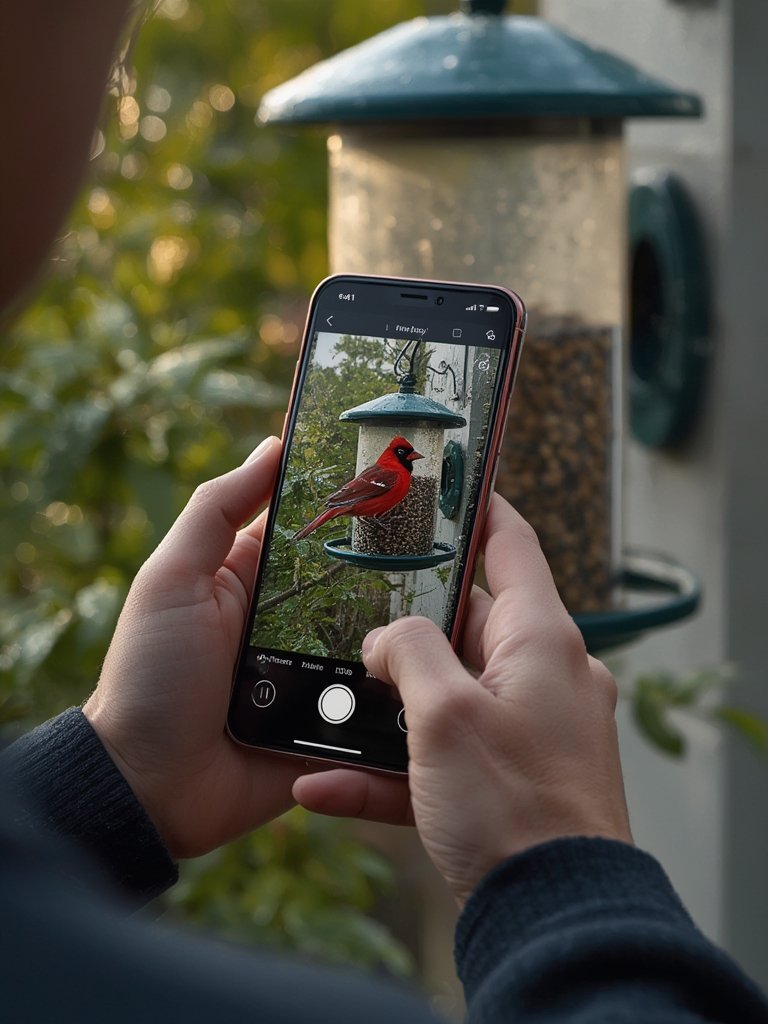
Follow the included instructions. Most feeders use Wi-Fi via a companion mobile app. Set up notifications, test live streaming, and confirm the device connects reliably from your chosen location. -
Optimally Fill and Clean the Feeder:
Use high-quality birdseed or specialized blends for local species. Schedule regular refills and cleaning (often not covered in official guides) to prevent mold or illness among visiting birds. -
Leverage the Smart Features:
Set up bird recognition in the app. Activate motion alerts and experiment with time-lapse recordings. Share fun clips with friends or on social feeds! -
Integrate for Full Potential:
Connect the feeder with Alexa, Google Home, or other compatible smart devices for hands-free notifications, or to display the feeder’s live view on smart displays.
For outdoor enthusiasts, well-placed smart bird feeders can complement a beautifully maintained garden. If creating a welcoming yard or upgrading your outdoor living space is your goal, check out our article on essential lawn and garden products for more related tips.
And remember, smart bird feeders can support other smart home upgrades. Visit our guide to practical home improvement ideas and smart household solutions to see how connected tech is making every aspect of home life easier.
Advanced Analysis & Common Pitfalls
While smart bird feeders are innovative, know what might go wrong before buying—and how to avoid frustration.
- Lack of Transparent Reviews: Competitor articles rarely cover real-world maintenance hassles, app bugs, camera lag, or weather resistance issues. Don’t expect perfection on first install.
- Unclear Price and Feature Variance: Market research does not consistently report price ranges, so compare models carefully based on hardware, AI, and brand reliability—not just features listed on the box.
- Connectivity and App Ecosystem Challenges: Some smart feeders only work reliably with strong Wi-Fi. Others may constantly notify you for non-bird motion (wind, squirrels, etc.), clogging your phone with alerts unless adjusted in-app.
- Privacy and Wildlife Concerns: There are currently no expert reports on privacy, but consider what your backyard camera might capture beyond birds—including neighbors or personal moments in your yard. Always secure camera feeds and app accounts.
- Unknown Identification Accuracy: Bird ID apps are improving, but published data on recognition accuracy or false positives/negatives is scarce. Treat notifications as best guesses, not scientific fact.
- Lack of Technical Specs in Ads: Few brands publicly reveal camera resolution, night vision quality, battery life, or solar panel efficiency up front. Push for transparency—or read honest customer forums, if available.
| Feature | Typical Offering | Best in Class | Potential Downside |
|---|---|---|---|
| Camera Resolution | 720p–1080p | Up to 4K (rare) | Low-light graininess, undisclosed specs |
| Connectivity | Wi-Fi 2.4GHz | Wi-Fi + Smart Home Integration | Signal dropouts |
| AI Bird Recognition | Basic (common species) | Real-time, multi-species, image export | Inaccurate, limited database |
| Power Source | Plug-in or Battery | Solar + Battery Backup | Short run-time, recharging in winter |
| Weatherproofing | IP44–IP66 | IP67 or higher | Water infiltration in heavy storms |
Maintenance and cleaning also matter. To keep everything running smoothly—just like caring for your modern furniture or pet care essentials—schedule regular checks and clear debris to prevent clogging and help keep birds healthy.
Conclusion
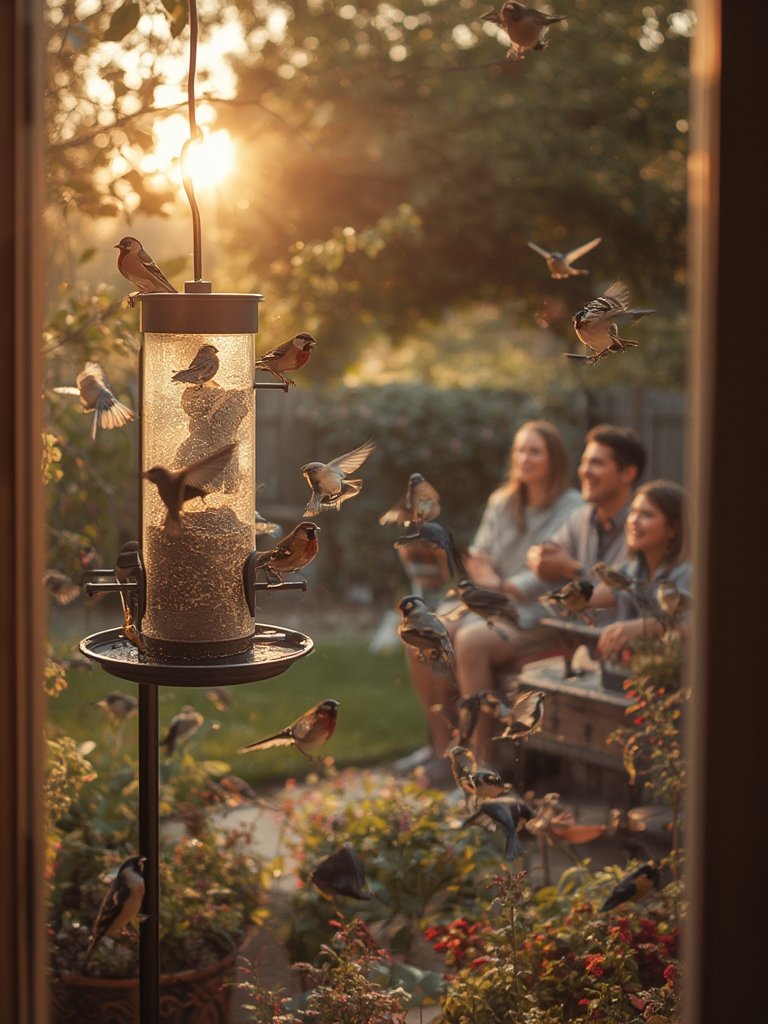
Smart bird feeders bring the wonders of live birdwatching, smart home integration, and learning opportunities directly into your backyard. Expect rapid market growth, evolving feature sets, and continuous innovation, but also go in aware: price transparency, privacy practices, and real-world reliability are still unsolved issues in many models. As with any tech, weighing the pros and cons before buying is advised.
Ready to elevate your birdwatching and enjoy daily nature moments at home? Explore your options and start with a reputable smart bird feeder to transform your backyard experience today.
Frequently Asked Questions
How do smart bird feeders actually identify bird species?
Most use AI image recognition algorithms and cloud databases. The camera captures an image when a bird lands; the software compares it to known species and sends a possible match via your app. Results are improving but may not always be 100% accurate due to lighting, camera angle, or database limitations.
Are smart bird feeders safe for wildlife?
When maintained and cleaned regularly, smart bird feeders pose no more risk to wildlife than standard feeders. Always disinfect regularly to avoid disease spread, and avoid placing feeders near bushes that can hide predators.
Can I use a smart bird feeder in an apartment balcony or small patio?
Yes. Compact and wall-mounted models are available. Just ensure your Wi-Fi reaches the feeder, there’s enough sun (for solar models), and that local regulations permit outdoor cameras.
What should I do if my smart feeder won’t connect to Wi-Fi?
Try relocating your router, using a range extender, or switching the feeder to a different network band (2.4GHz is most common). Check the app for troubleshooting steps or consult brand support lines.
Do these feeders work in all weather conditions?
Most are rated IP44 or above for weather resistance, but severe rain, snow, or wind can still cause brief outages. Higher-end models handle storms better but always check specs and warranties.