
Under sink organizers have become a must-have for maximizing cramped kitchen and bathroom storage. Poorly used cabinets lead to wasted space, clutter, and frustration. In this guide, you’ll find a practical breakdown of what works, what doesn’t, and exactly how to choose and use under sink organizers for long-term results.
Key Takeaways
- The global under sink organizer market is booming, projected to reach up to USD 6.18 billion by 2033, with trends favoring adjustable organizers and stackable options.
- Smart selection and correct fit are critical—ignoring plumbing or humidity issues leads to wasted money and ongoing headaches.
- Product innovations include modular layouts, eco-friendly materials, and tech features, but pitfalls persist, especially for bathroom use and awkward spaces.
- 1. The Core Concept: What Are Under Sink Organizers (and Why Bother)?
- 2. Step-by-Step Guide: Choosing and Installing the Right Under Sink Organizer
- 3. Advanced Analysis & Common Pitfalls
- 4. Conclusion
- 5. Frequently Asked Questions
The Core Concept: What Are Under Sink Organizers (and Why Bother)?
Under sink organizers are storage systems built to transform unused space underneath kitchen or bathroom sinks into practical, accessible storage. Instead of piles of mystery bottles and loose cleaning tools, these units offer dedicated shelving, pull-out trays, or stackable bins that fit around the piping and maximize what is usually an awkward dead zone.
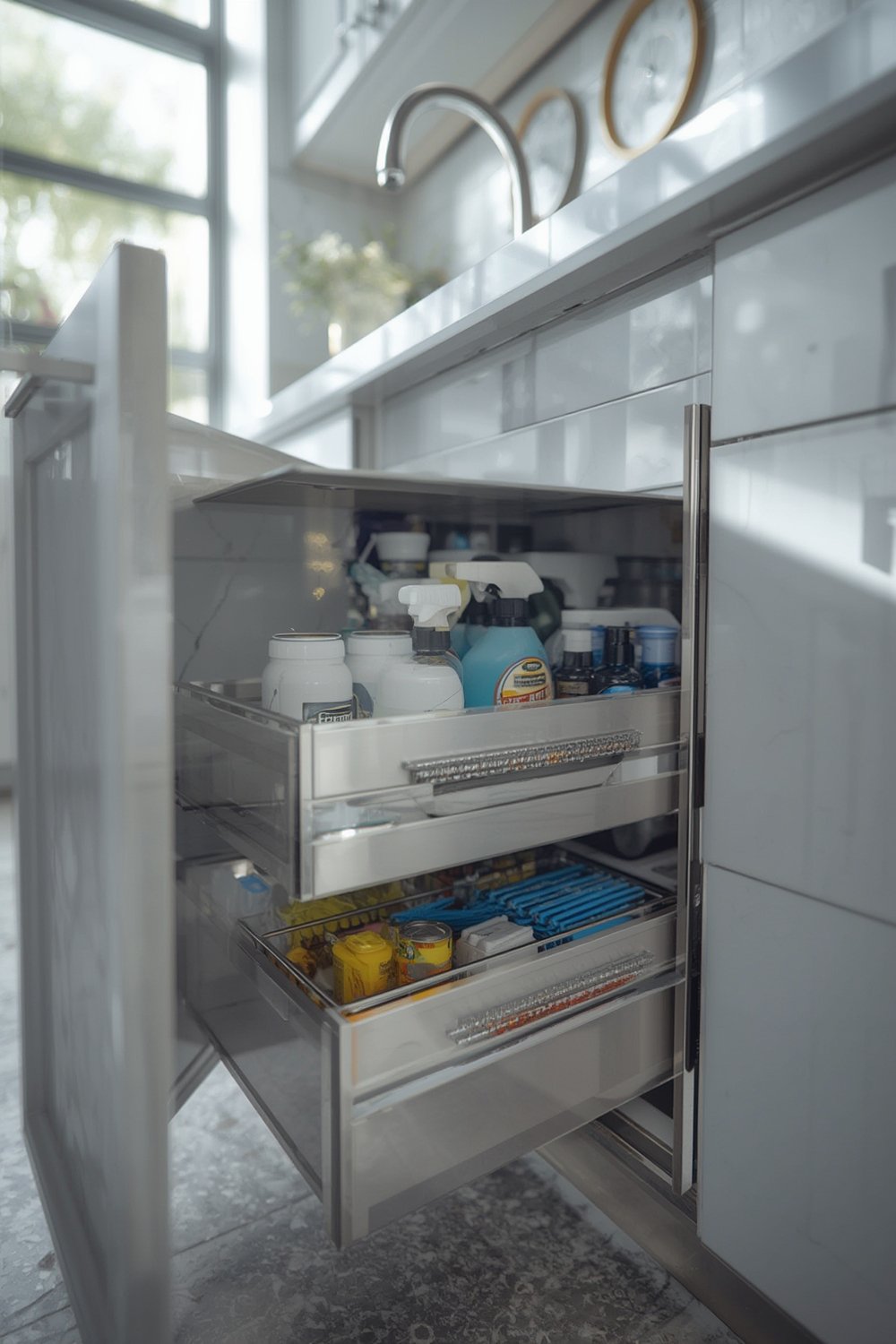
Their purpose is simple: save time, reduce clutter, and keep essentials within arm’s reach. According to industry reports, the under sink organizer market is expected to approach USD 6.18 billion by 2033, showing high demand from both households and facility managers in commercial settings.
Space-saving storage is critical as apartments get smaller and households prioritize hygiene and efficiency. New organizer designs—like pull-out trays and modular stackables—are tailored for those realities, with sustainability an emerging priority. Choosing the right solution can free up premium cabinet space and make daily routines faster and less stressful.
Interested in maximizing all your kitchen storage? Consider combining under sink organizers with drawer organizer inserts or pantry storage bins for a truly streamlined cooking space.
Step-by-Step Guide: Choosing and Installing the Right Under Sink Organizer
Start with a quick reality check: not all under sink organizers are created equal, and installation can go sideways if you miss key steps. Here’s how to make sure you don’t waste time or money:
- Assess Your Storage Needs.
List everything you want to keep under your sink. Throw away expired or duplicate products before you start. With fewer items, you’ll have a cleaner, more effective storage plan. - Map Out Potential Obstacles.
Plumbing pipe placement causes the most returns and installation failures. Look at the cabinet’s back, noting every pipe, valve, or protrusion. - Pick the Right Organizer Type.
If you need to adjust shelving around pipes or want to customize height, adjustable organizers are the best bet (source). For renters or those needing extra capacity, stackable modular systems add vertical storage and break down easily when moving. pull-out trays prevent “lost in the back” problem but need more installation time and clearances. - Select Durable, Moisture-Resistant Materials.
If installing in a bathroom or humid area, pick stainless steel, coated metals, or sturdy plastic. Avoid bare wood or poorly sealed MDF in damp spots. Brands like Simplehuman and The Container Store now offer eco-friendly materials and modular choices (source). - Install Safely, Fit Precisely.
Follow assembly instructions carefully. For pull-out organizers, use a level to keep shelves sliding smoothly. If needed, anchor heavy units with screws (not just sticky pads) for security.
For further ideas, mixing under sink organizers with other cozy home upgrades can make your kitchen or bathroom feel more organized and inviting.
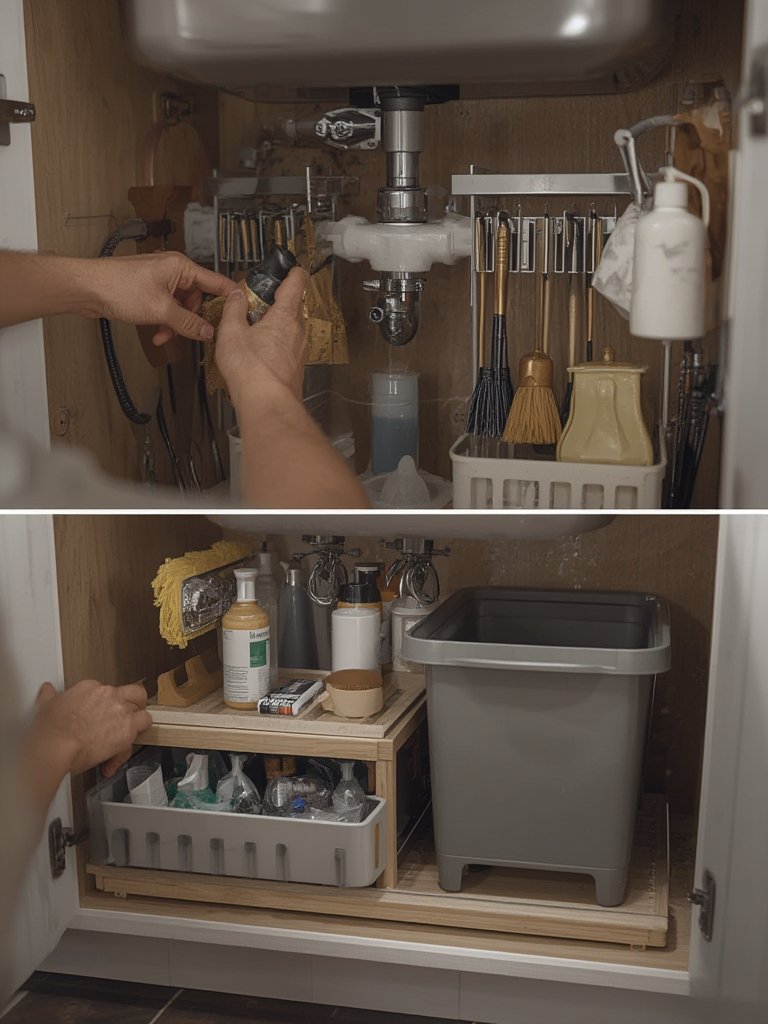
Finally, label bins and baskets to help everyone in your home follow the system. For tech fans, look for advanced organizers with built-in lighting or inventory alerts, though keep in mind these options can cost more.
Advanced Analysis & Common Pitfalls
Despite the surge in demand and innovation—recent launches from Simplehuman and IKEA, plus modular features and eco-friendly materials (see latest report)—real-world installation often ends in frustration because of overlooked issues. Here is what buyers and users should watch out for:
- Mismatch With Plumbing: The biggest complaint is organizers not fitting around pipes or valves, especially in older homes with unconventional layouts. Adjustable and split-shelf models minimize this, but careful measurement is nonnegotiable.
- Bathroom humidity Damage in Bathrooms: Most market data focuses on kitchen organizers, so many units sold for bathrooms lack proper water-resistant materials. Rust, warping, or mildew can set in quickly with the wrong choice. Look for stainless steel or high-grade polymer, not wood or bargain MDF.
- Complex Assembly: Some premium models (especially pull-out trays, which generated $2.14 billion in market value in 2024 source) require power tools and may not include all hardware. Budget extra time if installing these yourself.
- Price Confusion: Expect primary clusters around $20–$30 and $50–$70, with high-end brands like Rev-A-Shelf and Delamu charging more for features that may not suit every need (market review).
- Bathroom-Specific Gaps: Very few products are certified for steamy or high-moisture environments. Seek third-party waterproofing or product certifications where possible. There’s also little comparative data on how adjustable shelves cope with unusual plumbing angles.
If you’re planning a full kitchen remodel, under sink organizers should be factored in early to avoid regret during late renovations.
| Feature | Adjustable Organizers | Stackable Organizers | Pull-Out Organizers |
|---|---|---|---|
| Best For | Odd plumbing, changing needs | Small spaces, renters | Easy access, deep cabinets |
| Installation | Usually tool-free | Tool-free, modular | Drilling/often tools |
| Bathroom Suitability | Depends on material | Depends on sealing | Check for rustproof design |
| Price Range | $20–$70 | $20–$50 | $30–$120+ |
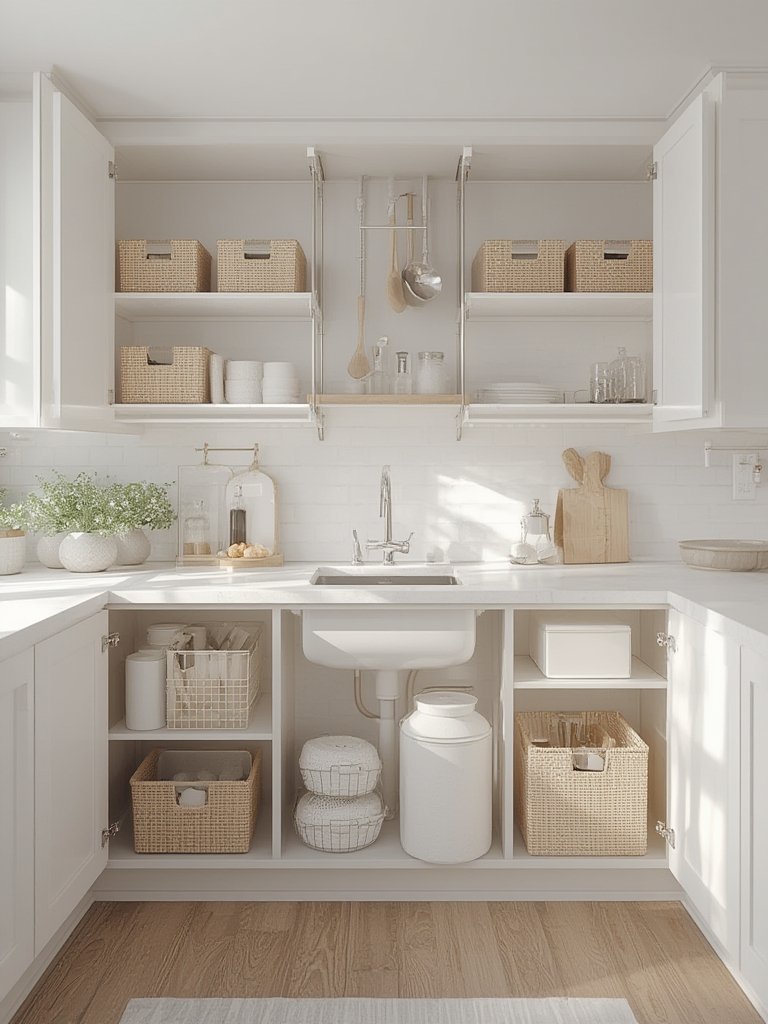
Smart features like lighting or app-connected inventory management appear in premium models, but durability and fit are still bigger priorities for most buyers. If you’re living in a rental or old home with unpredictable plumbing runs, plan on measuring meticulously (twice!) and favor solutions that allow for quick reconfiguration if you need to adapt.
For those wanting to maintain eco-responsible choices throughout their home, see this sustainable furniture guide for more ways to stay organized without compromising on green values.
Conclusion
Under sink organizers can be transformative if you take the time to plan, measure, and select the right features for your space. Adjustable, stackable, and pull-out designs work best when tailored for actual cabinet size and use, with sustainable materials and new tech enhancements offering extra value for those willing to invest. Not all organizers are equal—especially for bathrooms and older spaces—so keep materials, installation complexity, and moisture protection front of mind.
Ready to banish clutter for good? Use the under sink organizers approach outlined here, and start now for a genuinely tidy result. Want more actionable home organization strategies? Explore our dedicated guides below.
Frequently Asked Questions
How do I know if an under sink organizer will fit around my pipes?
Measure the width, height, and depth of your cabinet, then map out the pipe placement. Look for organizers labeled as “adjustable” or with split shelves, which are designed for tricky plumbing layouts.
Are there under sink organizers safe for bathroom humidity?
Yes, but check material specifications. Opt for stainless steel or water-resistant plastic—avoid bare or unsealed wood. Some brands now offer special finishes for humid areas, but third-party safety certifications may be limited.
Can pull-out under sink organizers be installed easily?
Pull-out organizers can require drilling and precise leveling, depending on the model. Some come with templates and all needed hardware, while others assume you have tools and fasteners. Read instructions fully before starting.
Which brands are best for unusual or awkward cabinet spaces?
Consider modular systems from brands like Simplehuman, The Container Store, and mDesign. Stackable or fully adjustable models are best for unconventional under sink spaces.
What’s the price range for high-quality under sink organizers?
Most organizers range between $20 and $70. Premium pull-out units or smart models can cost over $100. Material, size, and extra features all influence pricing.