### Blog Post:
Weather resistant outdoor furniture is the foundation of a low-maintenance, good-looking patio—if you know what to look for and avoid. Too many people end up with cracking, fading, or rusted sets that last one season. This guide walks you through the smartest steps, top materials, and common mistakes to help your outdoor setup last for years without constant repair or stress.
Key Takeaways
- HDPE, teak, and powder-coated aluminum offer the best durability and lowest maintenance for weather resistant outdoor furniture.
- Choosing the right material and construction matters more than brand or price—each climate has furniture risks to avoid.
- Routine care and smart placement are just as crucial as buying quality pieces; skipping basic care can shorten furniture life dramatically.
- What Is Weather Resistant Outdoor Furniture—and Why Does It Matter?
- How to Choose and Maintain Weather Resistant Outdoor Furniture: Step-by-Step
- Advanced Analysis & Common Pitfalls
- Conclusion
- FAQ
What Is Weather Resistant Outdoor Furniture—and Why Does It Matter?
Weather resistant outdoor furniture is designed to withstand moisture, sunlight, wind, and temperature swings without rapidly fading, rusting, or breaking down. This matters because outdoor spaces are harsher environments than most people realize. Rain and humidity can cause rot and mold; sun exposure can crack plastic or bleach colors; and fluctuating temperatures weaken joints and finishes. The result? Furniture that’s either a joy for years, or a regret after one season.
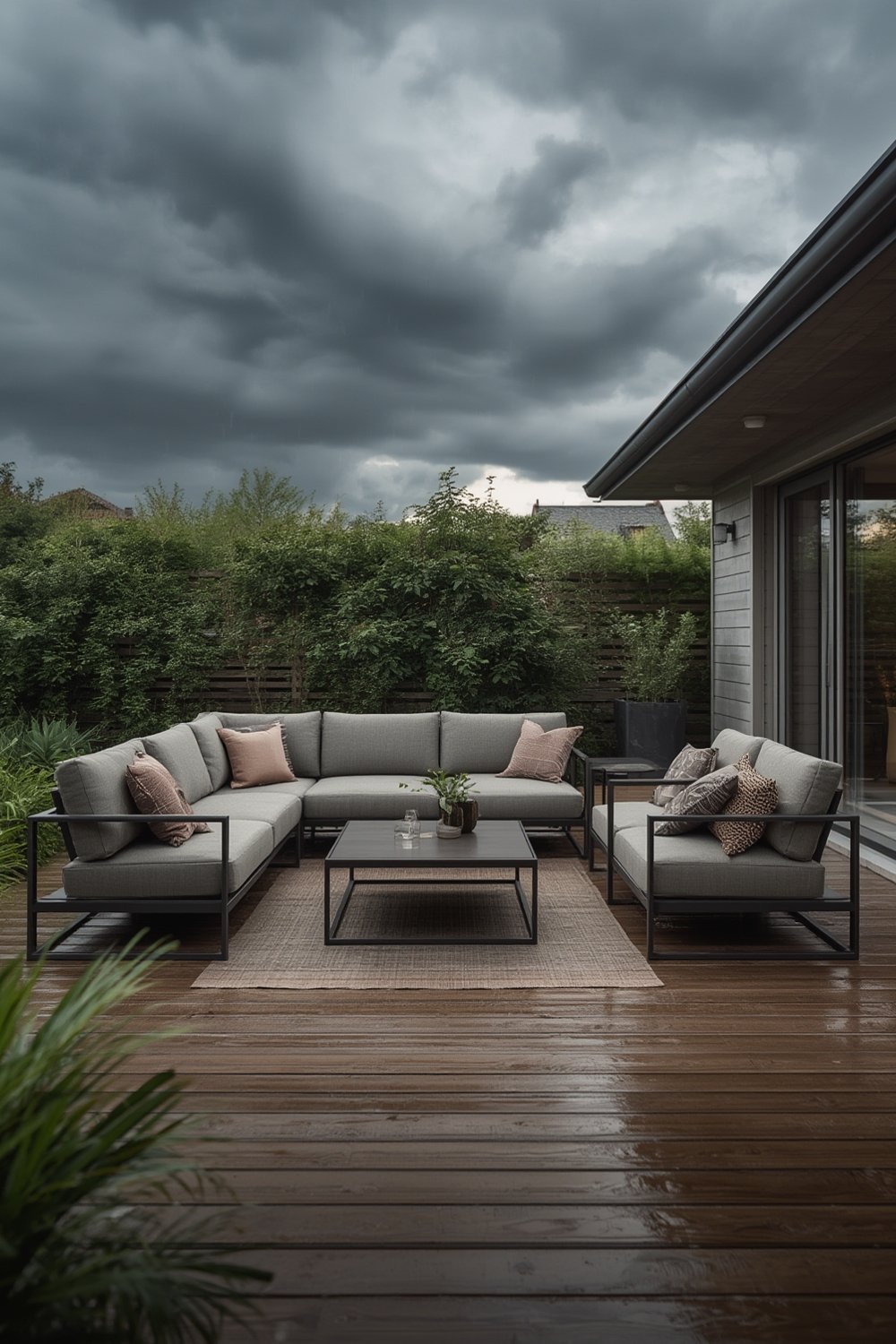
All-weather design isn’t just about material—it’s about construction. Look for sealed or non-porous surfaces, rust-resistant fasteners, and designs that drain water instead of collecting it. According to Forbes, modern furniture materials like HDPE (high-density polyethylene), teak, and powder-coated aluminum outperform legacy choices when it comes to resisting the elements.
Sustainability is also trending among outdoor trends. If you’re interested in eco-friendly patio options, check our detailed guide on sustainable outdoor furniture—with pros and cons for bamboo, rattan, and recycled plastics.
How to Choose and Maintain Weather Resistant Outdoor Furniture: Step-by-Step
Choosing furniture built for your local climate and intended use saves major headaches later. Here’s how to do it right (and what experienced homeowners recommend):
- Know Your Climate Risks
- Wet climates: Select sealed or non-porous materials (HDPE, resin, teak) with rust-proof aluminum framing and quick-dry cushions.
- Dry, hot climates: UV-resistant finishes and natural woods like teak fare best; unprotected plastics may crack or fade fast.
- Windy areas: Heavier furniture (wrought iron, concrete, or solid wood) prevents tipping—but avoid iron if you get lots of rain or humidity.
- Choose Top Performing Materials
- HDPE (“all-weather” plastic): No splintering or cracking. Holds color and repels water—ideal for variable climates. Low maintenance and easy to clean.
- Teak: Natural oils repel water and bugs; develops a patina but won’t rot or warp quickly. Requires rare cleaning or oiling.
- Aluminum (powder-coated): Lightweight yet durable, won’t rust, and comes in many styles. Avoid bare metal—coating matters.
- Resin and Polypropylene: Budget-friendly, resistant to most elements, but some lower grades may fade in strong, prolonged sun.
For a detailed breakdown of the differences, see Castlery’s durability guide.
- Inspect Cushions, Joints, and Details
- Look for quick-dry foam, mesh undersides, and removable, breathable covers.
- Avoid cushions without UV protection or easy drainage—they’ll mold fast.
- Painless Maintenance Routine
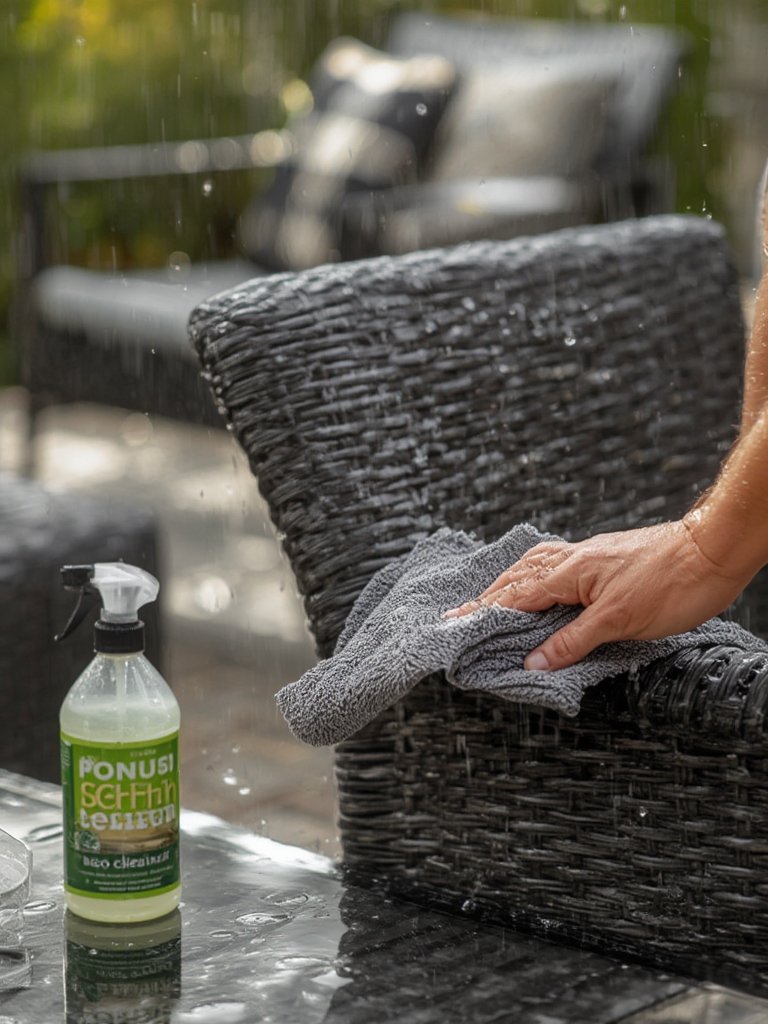
- Hose off or gently scrub seasonally; avoid pressure washers on wood.
- If you winterize, clean and fully dry pieces before covering/storing to prevent mildew.
Want to maximize a small patio or city balcony? Don’t miss our compact patio furniture tips for the best space-efficient, weather-resistant solutions.
Eco-conscious? Our eco friendly small space furniture guide offers more on sustainable, durable outdoor seating options.
Advanced Analysis & Common Pitfalls
Even if you invest in the right materials, several mistakes can cut your furniture’s lifespan short. Here are the most common (and costly) pitfalls:
| Material | Pros | Cons | Typical Issues in Harsh Weather |
|---|---|---|---|
| HDPE Plastic | Low-maintenance, doesn’t splinter, great color retention | Style can be basic, may cost more up front | May warp in extreme heat, but rarely cracks |
| Teak | Naturally water/rot resistant, looks upscale | Needs rare oiling or cleaning, can gray with time | Rare cracking in dry heat, possible surface checks |
| Aluminum (powder-coated) | Aluminum (powder-coated): Lightweight yet durable, won’t rust, and comes in many styles. Avoid bare metal—coating matters. | May dent or scratch more easily than wood | Powder coating can chip over time, leading to minor corrosion underneath |
| Iron/Wrought Iron | Heavy (won’t blow away), classic look | Rusts in humidity or direct rain unless regularly repainted | Peeling paint, rust stains, difficult to move |
| Resin/Polypropylene | Budget-friendly, generally waterproof | Can look less premium, UV-exposed surfaces may fade/crack | Color fading, surface brittleness under intense sun |
| Wood (other than teak, e.g. acacia) | Warm, natural look, often affordable | Needs regular sealing, prone to rot if not cared for | Splitting, mildew, fast decay without maintenance |
- Ignoring Annual Maintenance: Even “maintenance-free” furniture benefits from a seasonal rinse and post-winter inspection. Metal fasteners and covers can fail unexpectedly.
- Buying for Looks, Not Construction: Be suspicious of beautiful but joinery-free sets—especially if heavy wood or iron is just thinly wrapped over steel frames.
- Placement Mistakes: Placing outdoor furniture under gutters or in splash zones accelerates rot, mold, and rust—even with the best materials.
- Skipping Covers in Harsh Climates: A quality cover in winter or during storms is often what separates furniture that looks new from furniture that needs replacing after two years.
- Falling for the Cheapest Option: Inexpensive resin or uncoated aluminum might last a season or two, but expect rapid fading, cracking, and unstable joints.
For more tips on creating a truly lasting outdoor setup, it’s worth reading this detailed weather-resistant furniture guide.

To make your furniture a real extension of your living area, try adding a multifunction piece—our multifunctional furniture guide has ideas that work for both indoor and outdoor settings.
Conclusion
Making the right choice in weather resistant outdoor furniture comes down to knowing your materials, your climate, and what maintenance you’re willing to put in. HDPE, teak, and powder-coated aluminum offer the most reliable longevity for almost any situation, but even the best furniture needs a little routine care and thoughtful placement.
Ready to upgrade your outdoor space? Review your options, measure your area, and take action before another season passes. If sustainability is a priority, start with our complete sustainable outdoor furniture guide for even more insights and recommendations.
FAQ
What is the most weather-resistant material for outdoor furniture?
HDPE (high-density polyethylene), teak wood, and powder-coated aluminum are the most proven options for long-term durability against sun, rain, and temperature swings.
How often should I clean or maintain outdoor furniture?
At minimum, hose off or gently wash your furniture at the start and end of each season. Deep clean cushions and check all joints and screws annually for safety and stability.
Will aluminum furniture rust if left outside all year?
Quality aluminum (especially powder-coated) won’t rust, but avoid exposing bare metal pieces for long periods since this can cause mild surface corrosion.
Can I leave cushions outside all the time?
It’s best to store or cover cushions when not in use, especially in rainy or humid climates. Look for cushions made from quick-dry foam and UV-protected fabric for best year-round performance.
Is sustainable outdoor furniture as durable as traditional choices?
Many eco-friendly options, such as bamboo or recycled HDPE, now match or exceed the durability of traditional materials. Learn more in our sustainable furniture guide.
—