
Dog nail grinder tools are changing how pet owners safely trim their dog’s nails at home, making a stressful chore more manageable for both you and your pup.
Key Takeaways
- Dog nail grinders reduce the risk of splitting, chipping, and accidental cuts compared to clippers.
- Proper introduction and positive reinforcement are essential for a stress-free nail grinding experience.
- Understanding common pitfalls—like heat buildup and noise sensitivity—helps you choose and use grinders safely.
- What is a Dog Nail Grinder and Why Use One?
- Step-by-Step Guide: Using a Dog Nail Grinder Safely
- Advanced Analysis & Common Pitfalls
- Conclusion
- Frequently Asked Questions
What is a Dog Nail Grinder and Why Use One?
Dog nail grinders are electric or battery-powered tools that file down a dog’s nails rather than slicing them. The rounded tip consists of a rotating sanding drum that gently grinds small bits off the nail, minimizing the risk of splitting or injuring the sensitive quick.
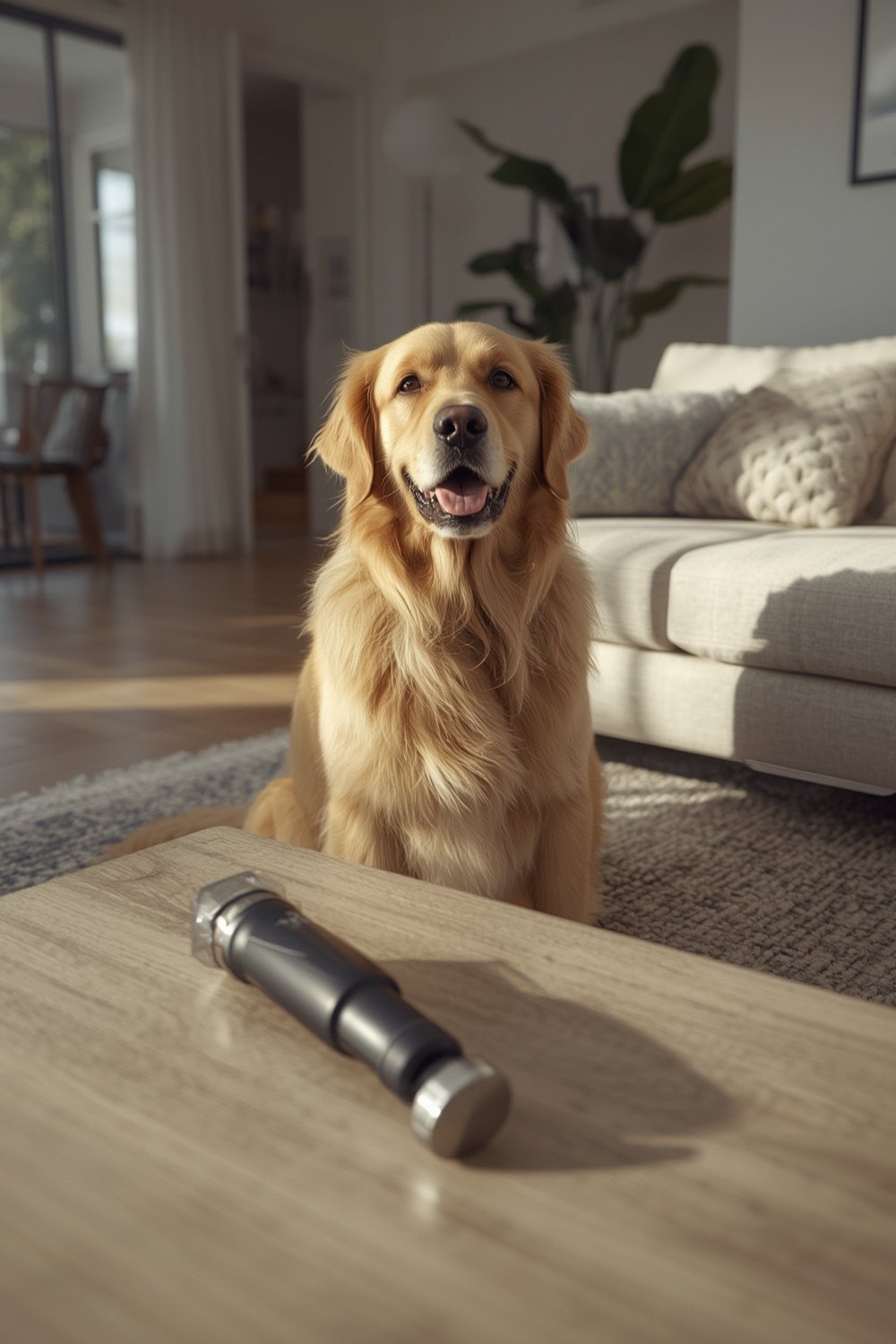
This technology offers a major advantage over traditional nail clippers, especially for large dogs or those with thick, dark, or brittle nails. Grinders allow for more control, letting you “sneak up” on the quick and shape the nail without jagged edges or sudden snips.
According to Hepper’s comparison of dog nail grinders and clippers, grinders are especially popular for dogs sensitive to the sharp pressure of clipping. Vets and groomers often recommend grinders for older dogs, anxious dogs, and anyone worried about accidentally cutting too deep.
Still, grinders do make a humming or buzzing noise that some dogs may find unsettling. With careful introduction, however, most pets adjust—and many come to prefer grinding to clipping.
Good nail hygiene contributes to overall wellness. If you’re revamping your pet’s at-home care routine, you might also explore pet dental care and automated grooming essentials to create a smoother grooming experience for both you and your dog.
Step-by-Step Guide: Using a Dog Nail Grinder Safely
Mastering a dog nail grinder is simple with the right approach. Here’s a practical, actionable process that works for beginners and seasoned pet owners alike.
- Choose a quiet space with good lighting. Ensure minimal distractions to help keep your dog relaxed.
- Introduce the grinder slowly. Let your dog see, smell, and hear the grinder before using it on their nails. Reward curiosity with treats.
- Start with one paw. Hold your dog’s paw gently but firmly. Touch the grinder to one nail for a second to gauge the reaction. If anxious, pause and try again later.
- Grind in short bursts. Apply the grinder’s sanding drum to the nail in 1-2 second intervals. Check the nail frequently to avoid heat buildup and accidental grinding of the quick.
- Reward, praise, and repeat. After each nail and paw, provide plenty of positive reinforcement—treats, play, or cuddles.
Keeping nails short is especially important for indoor dogs who get less natural wear. If you want to automate even more of your daily pet care, see how a pet automatic feeder keeps feeding routines on track for busy owners.
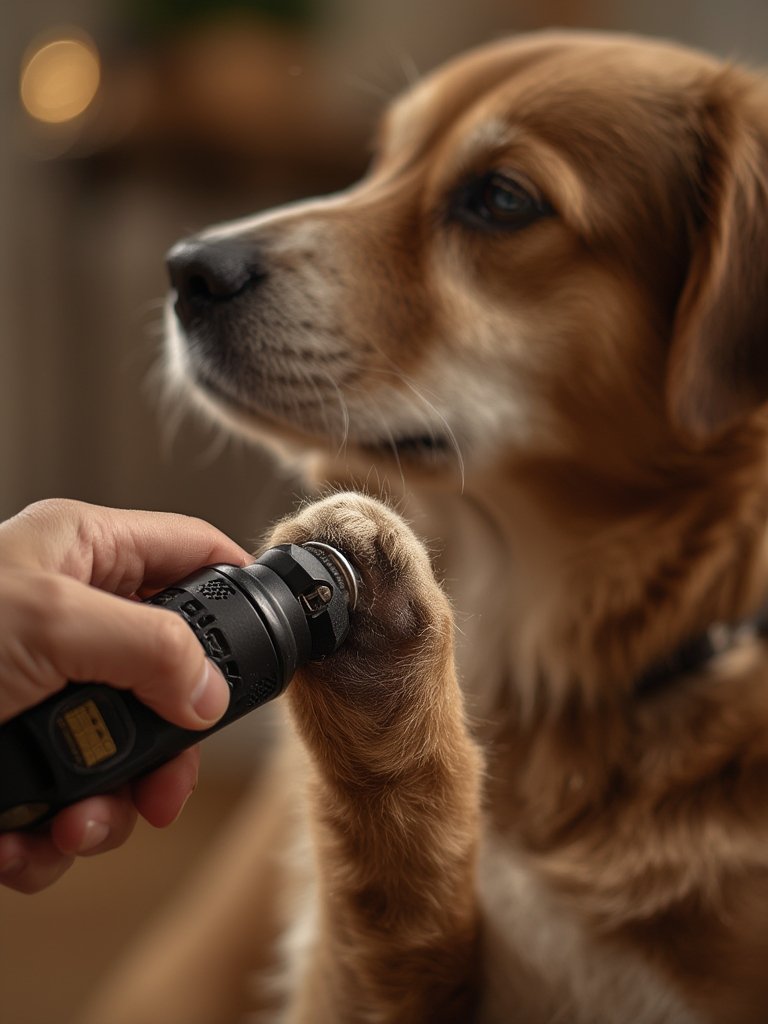
Finish all four paws, but go at your dog’s pace. For especially anxious dogs, consider the tips in our quiet dog grooming guide.
If you’re streamlining your pet space, pairing your grooming setup with apartment-sized pet supplies adds efficiency (and calm) to every grooming session.
Advanced Analysis & Common Pitfalls
Nail grinders solve many problems traditional clippers create, but they’re not foolproof. Here’s a realistic look at strengths, weaknesses, and real-world reviews drawn from user and vet experiences:
| Factor | Dog Nail Grinder | Traditional Nail Clipper |
|---|---|---|
| Risk of Injury | Lower—grinder allows small corrections; less likely to hit the quick | Higher—easy to cut too deep or cause split/jagged nails |
| Pet Comfort | May startle due to noise/vibration; generally less pressure on paw | Silent but sudden force can startle pets; some dislike the pressure |
| Nail Finish | Smooth, rounded tips—no filing needed | Often jagged; filing recommended after clipping |
| Time/Convenience | Slower per nail; less stressful for big or dark nails | Faster but less margin for error |
| Wear/Sharpening | Change sanding drum as needed | Blades become dull; must replace to prevent splitting |
- Noise Sensitivity: Most grinders create a humming or buzzing sound. Dogs who are noise-shy may need extra patience, as users noted on social forums and Consumer Reports’ review of dog nail grinders. Opt for a quieter model if sound is an issue.
- Heat Buildup: Repeated contact can cause warmth on the nail. Always use light, short passes to prevent discomfort.
- Quality Matters: Cheaper grinders have weak motors or rough sanding drums. Investing in a reputable brand can mean a world of difference for safety and longevity.
- Not Plug-and-Play: Some dogs never adapt to the sound or vibration; in those cases, traditional clippers or professional grooming may be better options.
- User Error: Rushing, neglecting to check for the quick, or skipping regular maintenance are common mistakes even experienced owners make.
As with all at-home grooming tools, keep hygiene in mind. After use, clean shed nail dust and make sure your equipment is ready for future trims. If pet shedding is a struggle, consider a dedicated dog deshedding tool or even explore pet grooming vacuums to keep your space hair-free between trims.
For more detail on the pros and cons, see Dogster’s expert analysis comparing grinders and clippers.
Conclusion
Dog nail grinders offer a smoother, safer alternative to classic clippers—minimizing risk, allowing better control, and supporting stress-free grooming at home. With some upfront patience and the right routine, almost any pet owner can master their use long-term. Remember, every dog is different, and sometimes mixing professional trims with at-home grinding works best. Ready to give your dog the ultimate pawdicure? Try a dog nail grinder and see the difference yourself.
Frequently Asked Questions
Are dog nail grinders safe for beginners?
Yes, dog nail grinders are beginner-friendly if you go slow, watch the quick, and reward your dog. Unlike clippers, they give you much more control and lower the risk of painful accidents.
How often should you grind your dog’s nails?
Most dogs need their nails trimmed or ground every 3-4 weeks. Active dogs may need less frequent maintenance, while indoor pets typically need more frequent care.
Can a nail grinder replace professional grooming?
For many owners, yes—a grinder can handle regular trims between professional appointments. Some breeds or anxious dogs may still need periodic visits to the groomer.
What if my dog hates the noise?
Desensitize your dog by running the grinder near them during mealtime or play, using treats for positive association. If anxiety persists, try silent dog clippers or consult a professional groomer.
Do grinders work for all dog sizes?
Yes, but some grinders are better suited for large, tough nails, while others are designed for small or medium breeds. Always check the device’s specifications before buying.