
### Blog Post:
Dog deshedding tools are essential for any owner tired of cleaning up endless fur. The right tool not only keeps your home cleaner but also improves your dog’s coat health, prevents matting, and saves money on professional grooming. Whether you have a shedding machine like a Husky or a “low-shed” shorthaired breed that still covers the couch, choosing and using the right deshedding tool makes all the difference.
Key Takeaways
- Choosing the right dog deshedding tool for your dog’s coat type reduces fur by up to 95% and prevents skin irritation.
- Routine, gentle deshedding improves coat condition and decreases allergies and mess in your home.
- Common mistakes—like using the wrong tool or overbrushing—can damage fur and make shedding worse.
- Understanding Dog Deshedding Tools: What and Why
- How to Use Dog Deshedding Tools: Step-by-Step Guide
- Advanced Tips, Analysis & Common Pitfalls
- Conclusion
- Frequently Asked Questions
Understanding Dog Deshedding Tools: What and Why
Dog deshedding tools are brushes, combs, or blades specifically designed to remove the dead undercoat fur from your dog without damaging the healthy topcoat or irritating the skin. Shedding is normal—your dog’s body sheds outdated or damaged hair to make room for healthy new growth. While you can’t eliminate shedding entirely, the right tool can significantly reduce loose fur, coat matting, and the dander that triggers allergies.
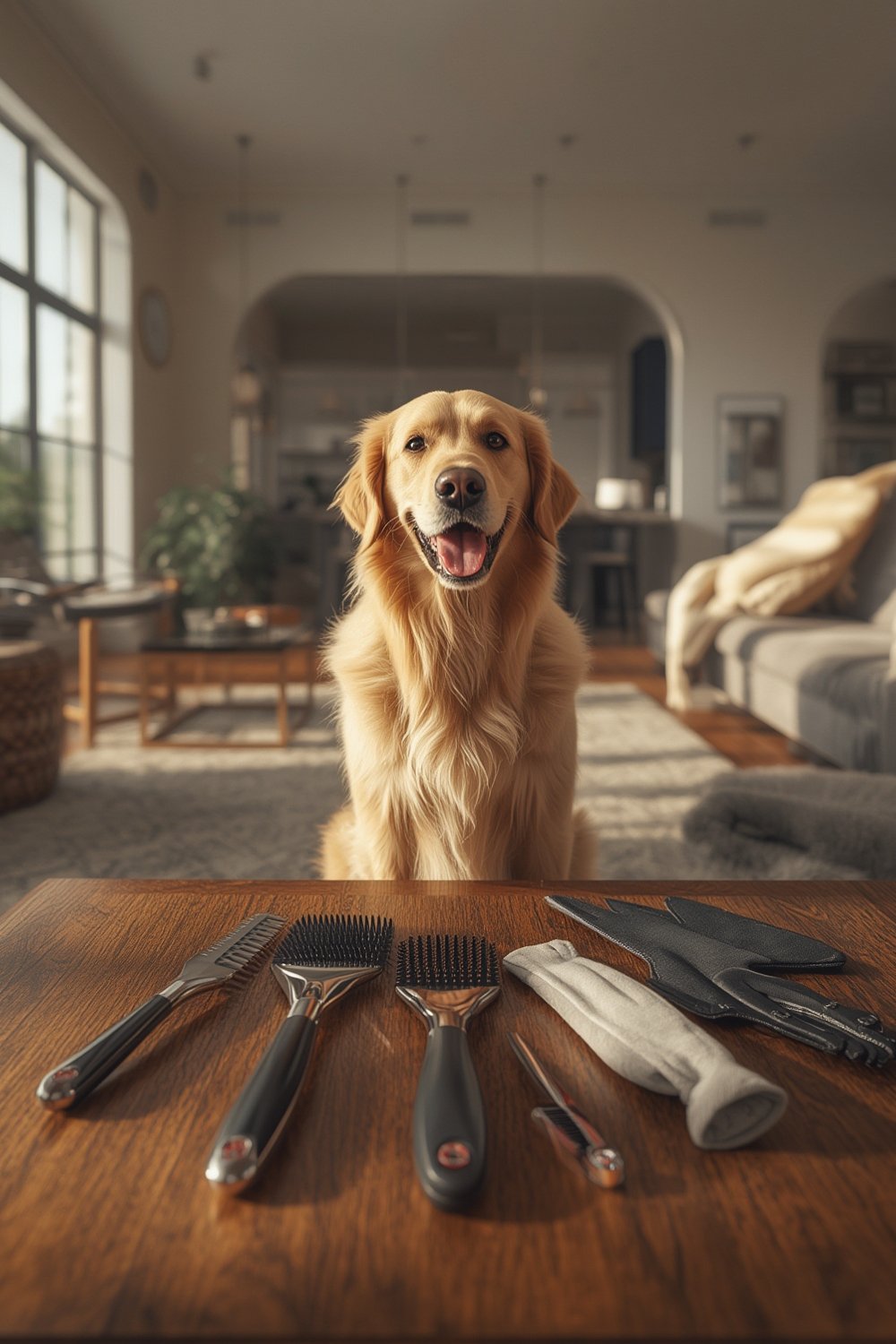
According to a 2024 APPA report, nearly 24% of dog owners say fur is the most frustrating part of pet care. Tools like slicker brushes, de-shedding combs, and grooming blades all play a role, but which one is right depends on your dog’s breed and coat type. For example, double-coated breeds (like Labradors and Huskies) benefit from undercoat rakes, while bristle or slicker brushes suit dogs with single, straight coats.
High-quality deshedding tools let you groom at home between pro visits, cutting down on fur tumbleweeds and keeping both dogs and owners happy. For owners in apartments or with allergies, this is a real game changer. But not all tools are equally effective—some can be uncomfortable or even harmful to sensitive dogs. That’s why it’s crucial to match the tool to your dog’s needs and use proper technique. Recent reviews show the difference a well-chosen tool can make in reducing shedding and owner frustration.
If you’re creating a cozy home for you and your dog, pairing effective grooming with fur-resistant cozy bedroom furniture and smart storage will make daily cleaning much easier.
How to Use Dog Deshedding Tools: Step-by-Step Guide
Getting the best out of dog deshedding tools takes more than just a quick brush; it’s about routine, technique, and a gentle approach. Here’s how to make the most of your grooming tools for a happier, healthier dog and a fur-free home:
- Choose the Right Tool: For double-coated breeds, use an undercoat rake or de-shedding comb. Slicker brushes are best for long or curly coats that mat easily. For short-haired dogs, a rubber curry brush or soft-bristle brush removes loose fur gently.
- Prepare Your Dog: Start with a relaxed pet. Brush out any obvious tangles using a regular comb before moving to de-shedding. Check for sensitive spots or skin irritation.
- Use Gentle Strokes: Always brush in the direction of hair growth, using gentle, consistent pressure. Focus on high-shed areas like the neck, shoulders, and haunches.
- Monitor the Amount of Fur: If you notice bald patches or redness, stop immediately. Too much pressure or overuse can cause damage.
- Clean the Tool Frequently: Remove built-up hair every few strokes to keep the tool effective and avoid pulling on your dog’s coat.
- Set a Routine: Most shed-heavy breeds benefit from 1-2 thorough sessions per week. During “coat-blowing” season (spring and fall), you might need to deshed lightly every other day.
- Finish with Treats and Praise: Positive reinforcement helps your dog associate grooming with rewards, making sessions stress-free.
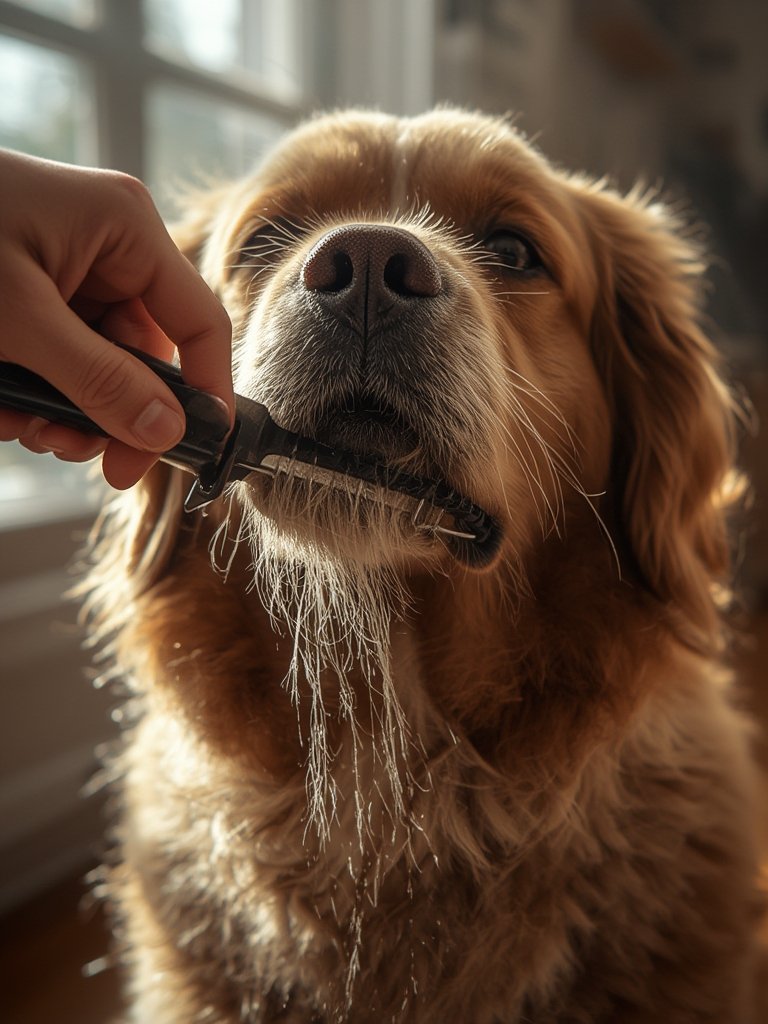
If you struggle with fur in hard-to-reach places, consider pairing your routine with a pet grooming vacuum to cut down on both loose hair and cleanup time. Smart tools like a pet automatic feeder also let you keep routines consistent for dogs that shed with seasonal or hormonal changes.
Finally, don’t forget that oral health is part of overall grooming—dental powder and proper dog dental health care can reduce saliva-based allergens on fur during shedding season.
Advanced Tips, Analysis & Common Pitfalls
Even with the best dog deshedding tools, owners sometimes struggle with excessive shedding or discomfort. Understanding where things go wrong helps you sidestep frustration and keep your dog’s coat in top shape.
According to recent studies, 23.9% of dog owners list pet hair as their top cleaning headache. A major culprit: using the wrong tool or brushing too aggressively. Let’s break down the differences and pitfalls.
| Tool Type | Best For | Pros | Common Pitfalls |
|---|---|---|---|
| Slicker Brush | Long, curly, or wooly coats | Removes mats, detangles quickly | Can scratch skin if used too hard |
| Undercoat Rake | Double coats, heavy seasonal shedding | Removes deep undercoat, minimizes bulk shedding | May pull or snag if coat is matted |
| Curry Brush | Short-haired breeds | Massages skin, easy to clean | Not effective for deep undercoat removal |
| De-shedding Blade | Short, dense coats (Labs, Beagles) | Quickly strips loose fur | Can irritate skin; not for sensitive breeds |
- Overbrushing: More isn’t always better. Too frequent or aggressive brushing can create bald spots and make shedding worse.
- Ignoring Coat Type: Using a deshedding blade on a curly-coated doodle or using a wire slicker on a thin-skinned breed will irritate skin and harm the coat.
- Skipping Routine: Inconsistent grooming means more shedding, more hair in your home, and more work to detangle mats next time.
- Forgetting Other Needs: If your home, pet beds, and furniture aren’t easily washable, fur will stick even with a good grooming routine. Consider adding pet-friendly, easy-clean surfaces or orthopedic pet beds for older dogs for easier cleaning and joint support.
Grooming tools aren’t one-size-fits-all. Listen to your dog—if you see discomfort, switch tools or brush less frequently to avoid coat and skin problems. For busy or sensitive dogs, try shorter, more frequent sessions and leverage interactive pet toys as stress-busters during grooming.
Conclusion
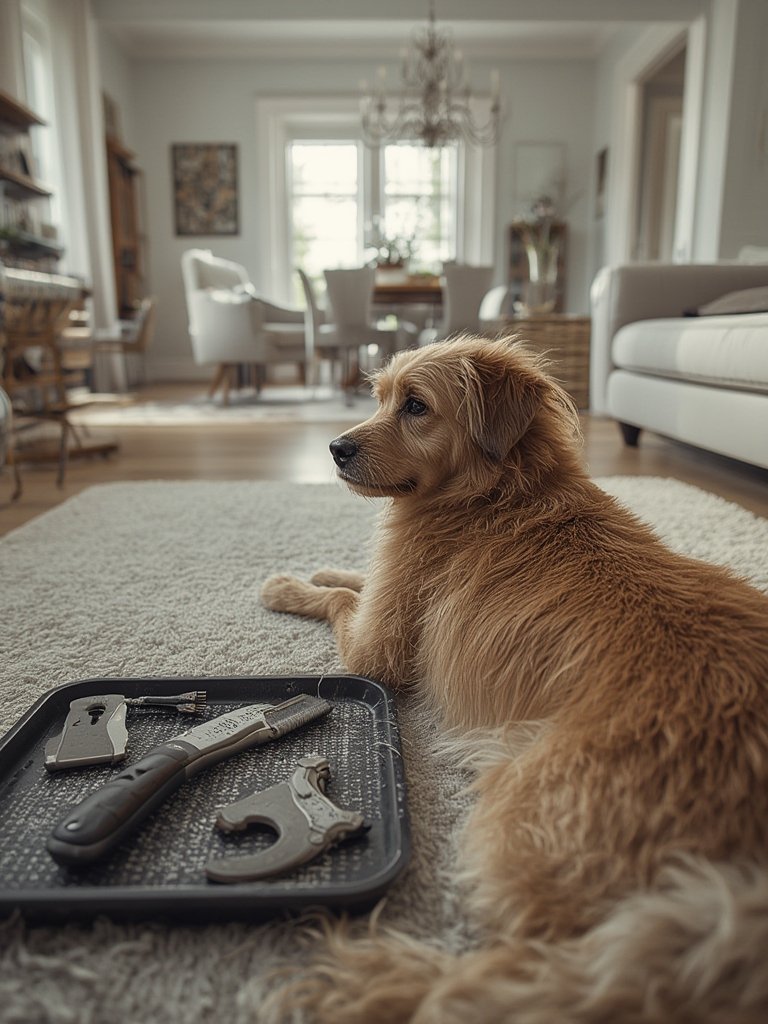
With the right care and a consistent approach, dog deshedding tools make pet ownership cleaner, easier, and healthier for you and your pup. Remember to pick tools designed for your dog’s unique coat and use gentle, regular methods—your dog’s fur (and your furniture) will thank you.
Ready to reduce shedding and reclaim your home? Choose the best dog deshedding tools for your breed, set a healthy grooming routine, and enjoy a fur-light home every season. Want more home and pet tips? Explore our guides on smart bird feeders or create an organized, plush bedroom retreat with a boucle bed today.
Frequently Asked Questions
How often should I use a dog deshedding tool?
Most breeds benefit from weekly sessions. During heavy shedding seasons, increase frequency to every other day. Always adjust based on your dog’s breed and coat.
Can deshedding tools hurt my dog?
If used gently and matched to coat type, they are safe. Avoid pressing hard or brushing too often, which can irritate skin and strip natural oils.
What’s the best deshedding tool for short-haired dogs?
A rubber curry brush or a gentle de-shedding blade is best for short-haired breeds. Avoid wire slickers, as they can scratch sensitive skin.
Should I bathe my dog before or after deshedding?
Bathing loosens fur, making deshedding easier. For best results, bathe first and dry thoroughly before using deshedding tools.
Can I use dog deshedding tools on puppies?
It’s best to wait until your puppy’s adult coat comes in and start with very gentle brushes to build positive associations with grooming.
—