

Drawer organizer inserts make it possible to reclaim messy drawers and create instant order in closets, kitchens, crafts, and offices. But achieving seamless, headache-free organization relies on choosing the right modular solution, understanding the materials, and sidestepping costly pitfalls—especially as new storage systems enter the market in 2024.
Key Takeaways
- Verify exact measurements and modular compatibility before buying drawer organizer inserts to avoid returns and frustration.
- Material matters: Plastic is common and lightweight, but not always sturdy or eco-friendly; acrylic offers style, while bamboo brings sustainability.
- Common complaints include shipping damage, lack of sturdiness, and inconsistent sizing or missing dividers—check reviews and warranty options.
- Understanding Drawer Organizer Inserts: The Core Concept
- How to Use Drawer Organizer Inserts: Step-by-Step Guide
- Advanced Analysis & Common Pitfalls
- Conclusion
- Frequently Asked Questions
Understanding Drawer Organizer Inserts: The Core Concept
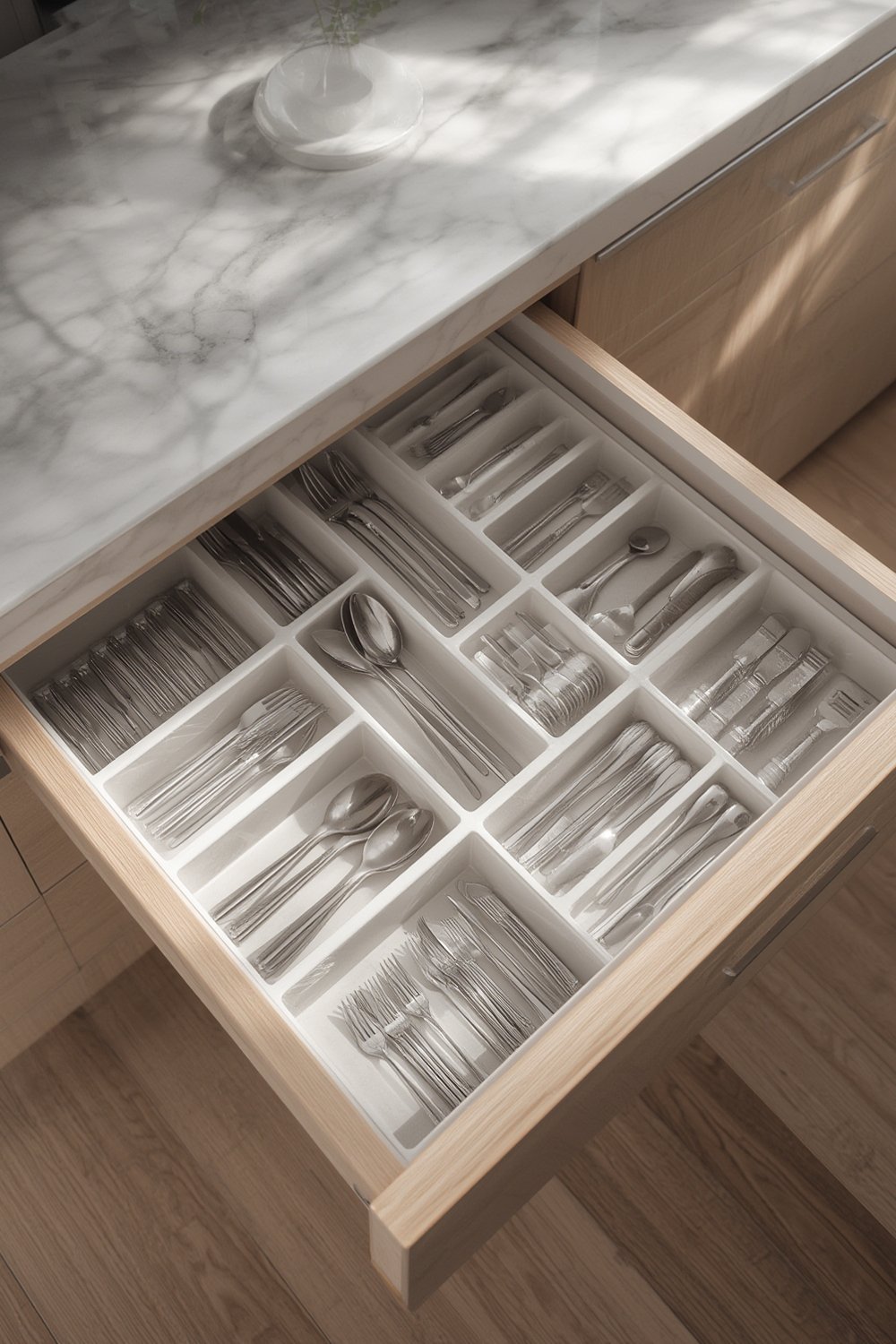
Drawer organizer inserts and modular drawer organizers are customizable solutions designed to subdivide and structure drawers of all shapes and sizes. Whether you need to organize kitchen utensils, office supplies, sewing essentials, or socks, these inserts help conquer clutter by providing designated spaces for each item. Modular or adjustable systems let you mix, match, and reconfigure compartments so your setup can evolve as needs change.
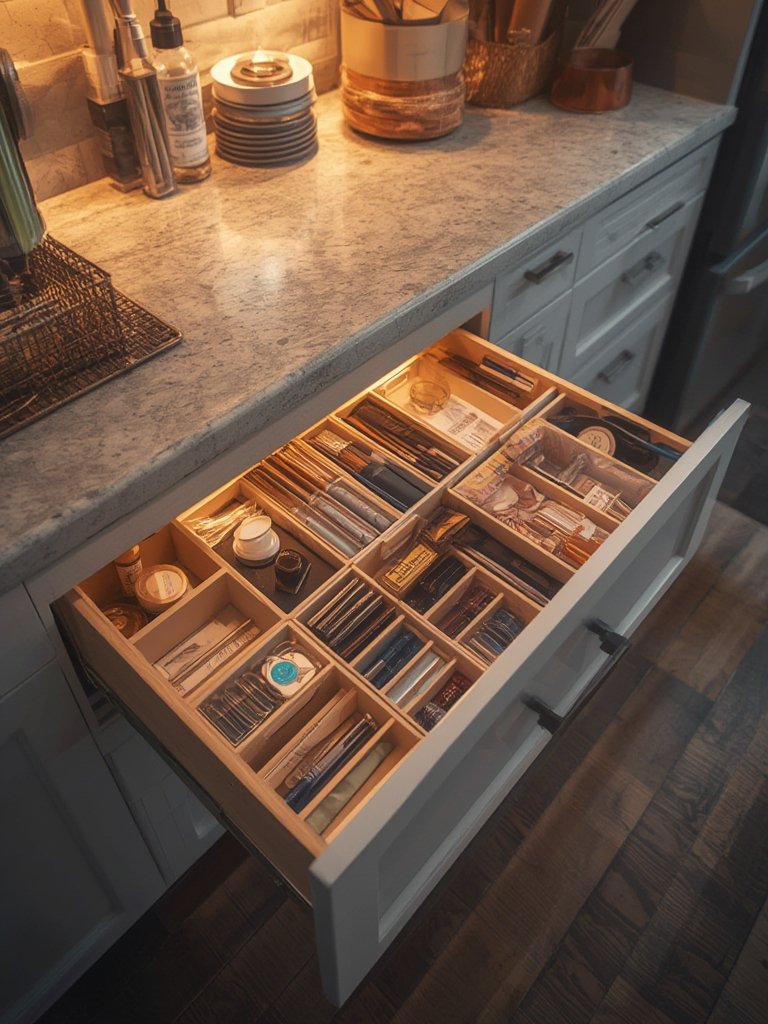
Unlike fixed trays, modular drawer organizers typically stack, interlock, or can be resized. Brands like Storex and Sterilite remain popular for their flexibility and accessibility (Storex modular drawers: 429 reviews, avg. 4.4/5). Modular plastic drawers work well for crafts or offices, and acrylic and bamboo options are expanding in home and luxe settings. But not all products deliver equal durability, ease of use, or eco impact, so careful selection pays off.
How to Use Drawer Organizer Inserts: Step-by-Step Guide
Ready to transform your chaotic drawers into an organized oasis? Follow these steps for an efficient, frustration-free setup.
-
Audit Your Space
Empty the drawer you plan to organize. Group similar items and discard or relocate what doesn’t belong. -
Measure Precisely
Using a tape measure, note the interior width, depth, and height of your drawer. Double-check these numbers; even a 0.5-inch error can mean inserts won’t fit, or they may rattle and shift. -
Choose Materials and Configuration
Decide if you want plastic for easy cleaning, bamboo for sustainability, acrylic for a modern look, or metal for added weight. Consider modular vs. fixed inserts: modular lets you build (and sometimes stack) exactly what you need as your requirements change. -
Select Your Organizer Inserts
Shop with measurements in hand. Check dimensions, stacking/interlocking features, and verify which adjustable dividers (if any) are included. Carefully read product descriptions and user reviews—brands often ship the same product with different configurations. -
Install and Customize
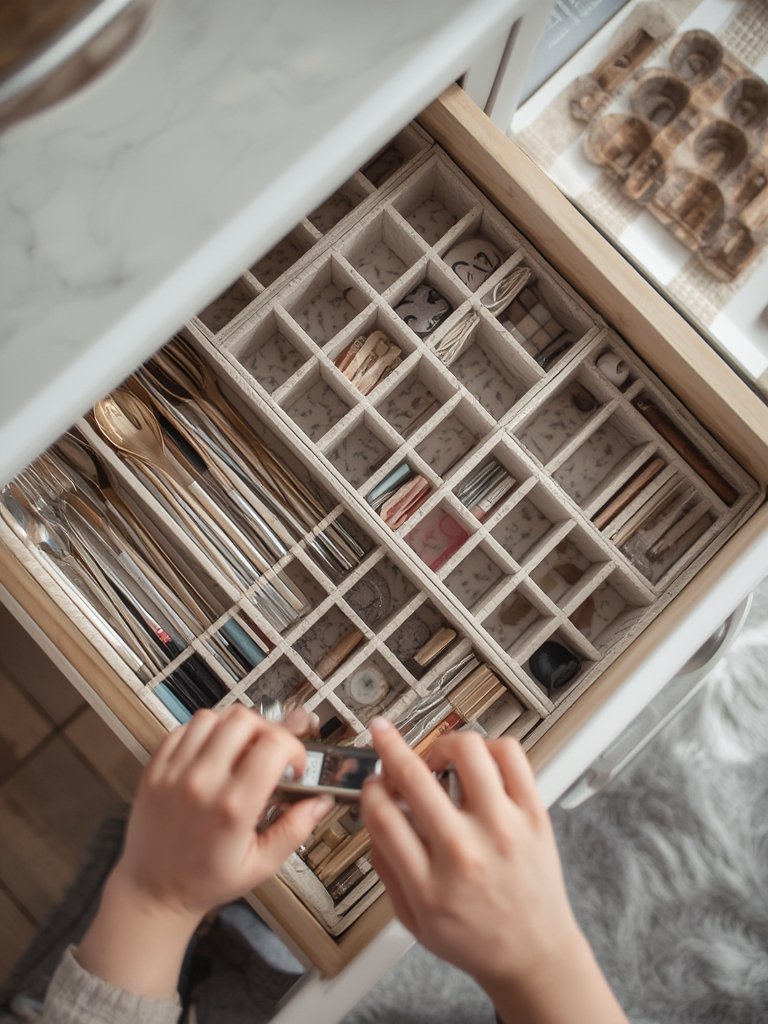
Set the inserts in the drawer and arrange your items. Adjust dividers or stack modules if available. Make sure all pieces sit flush and open/close smoothly. -
Test for Functionality
Slide the drawer open and closed several times. If inserts snag, are too tight, or items move around, tweak the layout or consider non-slip pads.
For inspiration on creating a calming, curated space, check out our boucle bed guide—cozy aesthetics pair perfectly with modular organizer systems.
Advanced Analysis & Common Pitfalls
Even well-reviewed drawer organizer inserts can disappoint if you miss crucial details before buying. Here’s what real users report—and how to avoid their mistakes:
- Shipping Damage & Quality Issues: Broken plastic, cracks, or missing parts on delivery are recurring issues (Sterilite reviews on Home Depot). Look for sellers with clear return and replacement policies.
- Sturdiness Complaints: Many plastic inserts feel flimsier than expected, especially in larger units. Lightweight systems move inside the drawer and don’t always handle heavy loads (Storex consumer feedback).
- Drawer Binding: Too-tight or oversized modules can cause drawers to stick, while slippery bottoms cause inserts to slide or jumble items.
- Divider Gaps & Incomplete Kits: Not all packages include adjustable dividers; inconsistent inventory can result in receiving only partial systems (Container Store reviews).
- Material Mismatches: Acrylic looks sharp but may not stand up to drops or heavy weight. Plastic is easy-care but less sustainable and prone to cracks. Bamboo inserts are durable and eco-considerate, but require careful checking for fit and finish.
| Material | Price Range* | Durability | Sustainability | Common Issues |
|---|---|---|---|---|
| Plastic | $6-$30 | Lightweight, can crack | Low unless recycled | Breaks in shipping, not sturdy for heavy loads |
| Acrylic | $15-$60 | Attractive, moderate durability | Non-renewable | Scuffs, cracks if dropped |
| Bamboo | $10-$40 | Strong, long-lasting | Highly renewable | Possible warping, needs finish quality check |
| Metal | $20-$70 | Durable, may be heavy | Varies by alloy | Can scratch drawer, less common in modular systems |
*Estimated 2024 retail ranges; actual prices vary by brand, size, and feature.
Be sure to consider standard retailer guarantees (see Home Depot modular drawer policies), and inspect products upon arrival. Missing parts or shipping damage require fast action to secure replacements.
Curious how organization dovetails with broader home upgrades? Read our Home Depot kitchen remodel reviews for real insights into modern home essentials.
For eco-conscious design inspiration, explore our guide to sustainable outdoor furniture—sustainability applies indoors too, including your drawer organizer inserts.
Conclusion
Drawer organizer inserts can deliver order and simplicity—if you plan ahead and choose carefully. Measure, review, and start small: this limits headaches and helps you spot issues early, like poor fit or stability. As many users report, avoiding over-complex modular systems or low-quality materials leads to long-term satisfaction. Ready to get started? Select your ideal drawer organizer inserts, read user reviews, and transform your storage—one drawer at a time. Order now, and reclaim your space with confidence!
If you want to further optimize your home, see our tips for smart bird feeders and pet automatic feeders—technology meets tidy living.
Frequently Asked Questions
How do I know which drawer organizer insert will fit my drawer?
Measure the interior width, depth, and height of your drawer before purchasing. Compare these to the product dimensions in the listing, not just the packaging size. When in doubt, contact the seller or order a test unit first.
Are plastic drawer organizer inserts durable enough for heavy use?
Plastic inserts are lightweight and affordable but may crack or lose shape under heavy items or repeated use. For more durability, consider bamboo or metal, or choose high-grade plastic models backed by strong warranties.
What should I do if my organizer arrives damaged or missing parts?
Contact the retailer or manufacturer immediately. Reputable sellers like Home Depot or Staples typically offer returns or replacements for damaged items. Save all packaging and take photos for an easier claim process.
How can I maximize sustainability when choosing drawer organizer inserts?
Look for options made from renewable materials like bamboo or recycled plastics. Avoid single-use plastics when possible, and check product certifications for eco-friendly claims. Read more about sustainable furniture in our Sustainable Outdoor Furniture Guide.
Can modular drawer organizers be easily reconfigured for different uses?
Yes, that’s the main benefit. Most modular systems allow you to remove and rearrange dividers or add additional modules as your storage needs change. Verify compatibility between products before mixing styles or brands.