

Eco friendly small space furniture is rapidly gaining popularity among urban homeowners and apartment dwellers who want sustainable solutions with maximum functionality in minimal square footage. With market demand at an all-time high, understanding what sets these products apart—and how to make smart purchase decisions—can help you avoid common mistakes, support planet-friendly brands, and create a home that works for you.
Key Takeaways
- Eco friendly small space furniture merges sustainability with modular, multi-functional design to address urban living constraints.
- Lifespan, customization, local sourcing, and disposal options are crucial but often-overlooked considerations when buying.
- Premium features and certifications can raise prices; careful planning helps you balance style, durability, functionality, and environmental impact.
- What Is Eco Friendly Small Space Furniture and Why Does It Matter?
- Step-by-Step Guide to Choosing Eco Friendly Small Space Furniture
- Advanced Analysis and Common Pitfalls
- Conclusion
- Frequently Asked Questions
What Is Eco Friendly Small Space Furniture and Why Does It Matter?
Eco friendly small space furniture refers to modular, multifunctional, and sustainable products engineered specifically for compact urban homes. Unlike traditional furniture, these pieces use materials such as bamboo, reclaimed wood, or recycled metals—and minimize harmful adhesives or finishes—to reduce environmental footprint during manufacturing and disposal.
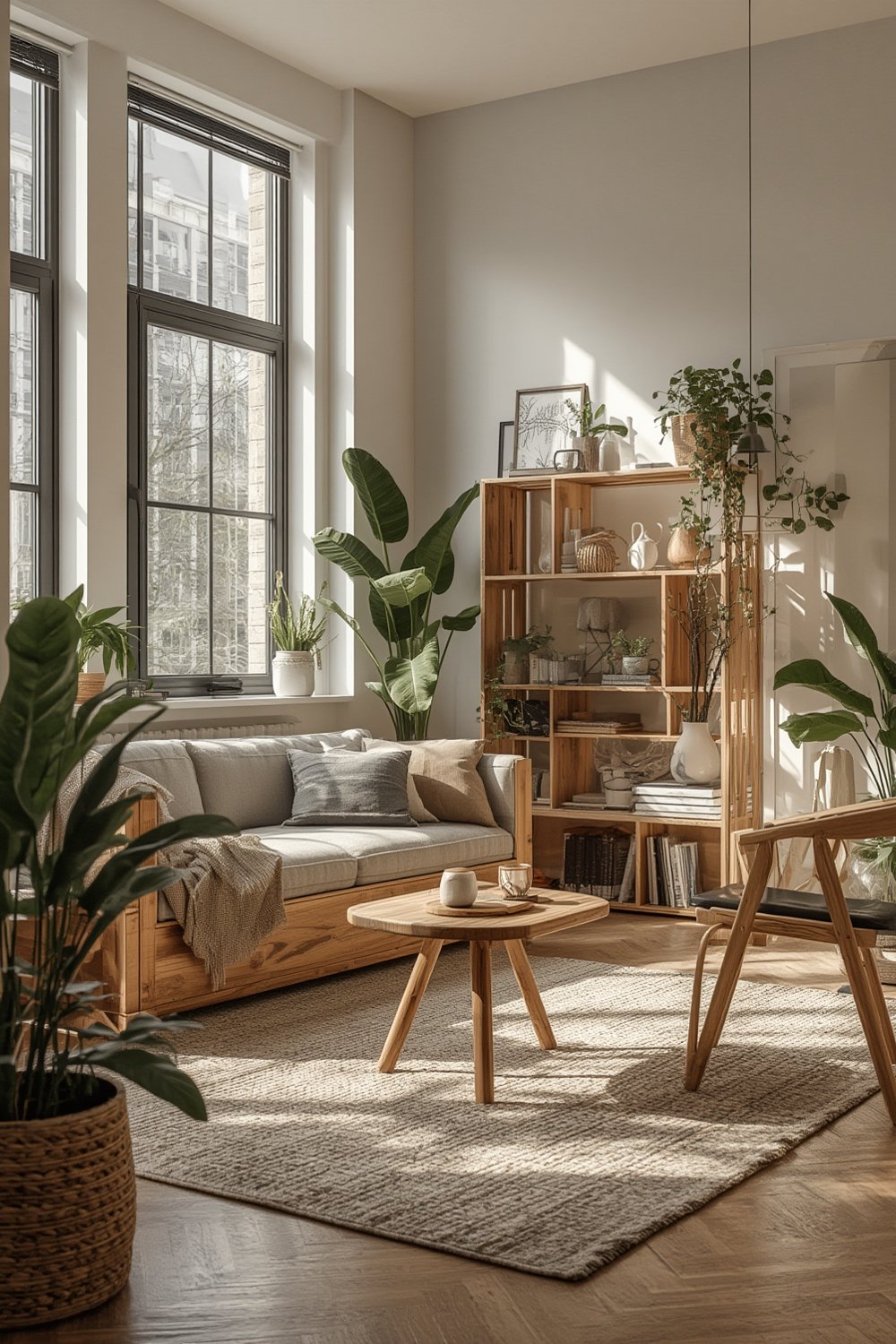
Global demand for eco friendly small space furniture is surging, with the market reaching USD 51.5 billion in 2025 and showing projections to more than double by 2034. Urban residents, who often have less room and higher expectations for both style and sustainability, are driving this trend. Multi-functional furniture—like foldable desks, convertible seating, and storage ottoman that doubles as seating—are especially valued for their ability to save space, adapt to changing needs, and align with eco-conscious values.
A core principle is lifecycle design: aiming for pieces that last, can be reconfigured, and either recycled or disposed of responsibly. Yet, many consumers overlook the importance of local manufacturing, verified certifications, and end-of-life programs, which can make an even bigger difference over time.
Step-by-Step Guide to Choosing Eco Friendly Small Space Furniture
Follow these six steps to select smart, sustainable, and space-saving furniture for any small urban space—
-
Measure and Map Your Space
Take precise measurements of your room and identify corners or areas where multi-functional or modular furniture could serve dual purposes. This reduces wasted purchases and helps target furniture with exact space-saving potential. For inspiration, visit our guide on kitchen storage for small spaces. -
Prioritize Modularity and Multi-Functionality
Seek furniture systems that can be easily reconfigured, expanded, or folded for varied needs—like a wall-mounted desk that transforms into shelving, or a storage ottoman that doubles as seating. Modular furniture systems can adapt to new homes or lifestyles, extending longevity and reducing waste. -
Investigate Material Sources and Construction
Prioritize rapidly renewable sources (e.g., bamboo, FSC-certified wood, recycled metals) and avoid items with high-VOC adhesives or finishes. Look for labels such as FSC, GREENGUARD, or Fair Trade. Manufacturing should emphasize non-toxic glues, low-VOC finishes, and high-quality fasteners. -
Ask About End-of-Life Policies
True eco friendly small space furniture brands provide clear instructions or programs for recycling, take-back, or responsible disposal at product end-of-life. Look for details on decomposition, recycling options, or take-back partnerships on the brand’s website.
Need outdoor options? Explore our sustainable outdoor furniture guide. -
Validate Certifications and Local Production
Choose furniture with independently verified certifications (like B-Corp, Fair Trade, or a legitimate circular economy label). Give extra points to companies that manufacture locally—reducing transport emissions and supporting your community. See how modular furniture systems change the game in our modular furniture systems guide. -
Consider Aesthetics versus Functionality
Decide if you want to lean toward minimalist, neutral styles, or search for new trends like bold patterns and retro-modern forms—many eco brands now offer both. For plush, sustainable bedroom options, check out this boucle fabric bed guide.

Whenever you shop for furniture, never assume that all eco claims mean the same thing. Verify the chain of production, end-of-life programs, and readiness for responsible disposal.
Advanced Analysis and Common Pitfalls
Even as eco friendly small space furniture continues to grow faster than traditional furniture—especially in urban, North American, and emerging Asian markets—users still face important challenges. The three most common pitfalls are:
- Overpaying for “Greenwashed” Products: Without independent certifications or transparent sourcing info, some products simply cost more without proven impact.
-
Ignoring Modularity and Actual Usability: Not all modular furniture is equally robust—weak connectors and hardware may shorten the product’s lifespan, and reconfiguration options are sometimes oversold.
Real-life solutions: Try pieces in-store; consult long-term buyer reviews; ask about weight limits and hardware replacements. - Missing End-of-Life Planning: Many buyers invest in recycled or renewable material furniture but overlook disposal. If the company offers no take-back program or decomposition transparency, your eco intention could backfire at landfill.
Comparing Key Features and Considerations
| Criteria | Eco Friendly Small Space Furniture | Conventional Small Space Furniture |
|---|---|---|
| Material | Bamboo, FSC wood, recycled metals, low-VOC | Synthetic foams, non-renewable wood, plastics |
| Modularity | High – convert, expand, stack, collapse | Usually low or fixed |
| Certification | B-Corp, Fair Trade, FSC, SFC | Rarely certified |
| End-of-Life Options | Recyclable, take-back, biodegradable | Landfill disposal |
| Price | Tends higher, especially for modularity and certifications | Lower upfront but shorter lifespan |
| Distribution | Mostly offline, some limited online direct | Online, major retailers |
For deeper insights on compact solutions, browse our expert comparison of small apartment furniture and eco-focused kitchen storage options.
Critical Pitfalls—The Real-World Issues Others Don’t Mention
- Limited On-Shelf Options: Most sales still happen offline, so choices may be constrained or delayed for direct-delivery orders (source).
- Unclear Durability: Modular connectors, hidden fasteners, and fold hinges must be high-quality for urban use; not all eco brands deliver the same standards (source).
- Lifecycle Transparency: Many brands fail to explain how and where their products can actually be recycled or composted, even if they highlight recycled input (source).
- Price Pain: Eco and modular features can raise the sticker price. Without careful upfront research, some buyers experience sticker shock or regret, especially if shipping, returns, or assembly fees are added later.
Conclusion
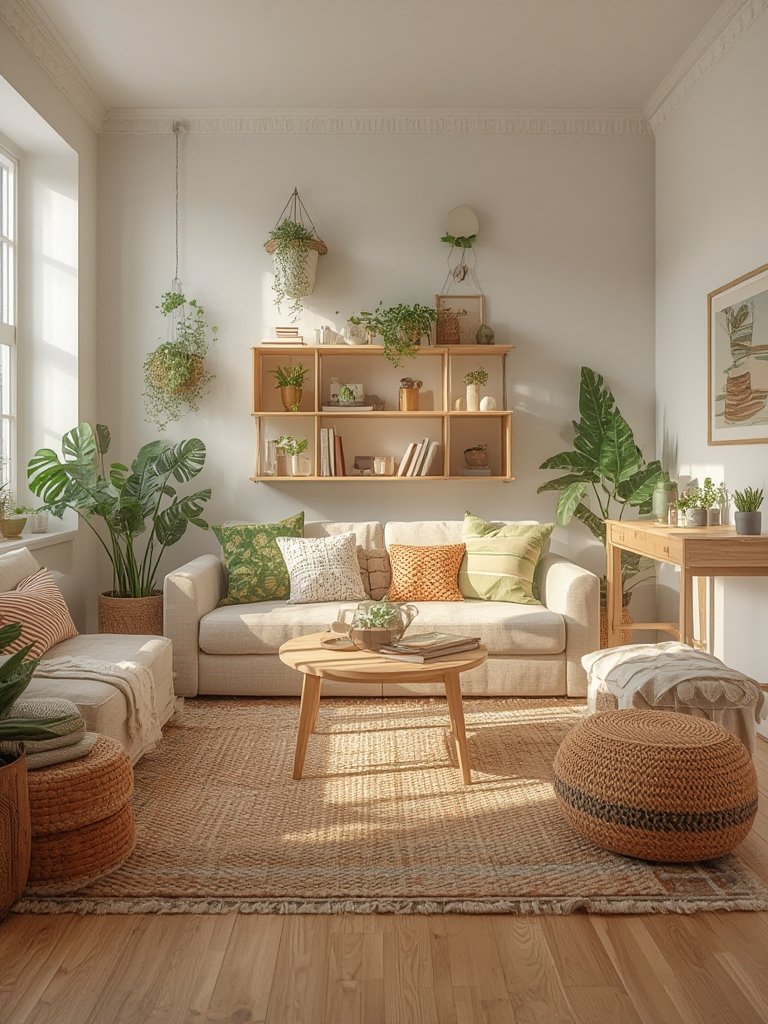
Eco friendly small space furniture gives you the flexibility and sustainability urban living demands—so long as you look beyond marketing buzzwords, check for real certifications, and plan for the product’s entire lifecycle. The strongest brands offer modular reconfiguration, low-VOC or recycled materials, and clear end-of-life options so you don’t have to compromise between design, durability, or values.
Ready to make your home smarter and greener? Start by measuring your space, prioritizing modularity, and comparing eco friendly small space furniture options from responsible manufacturers. Explore detailed guides on multi-functional furniture and entryway storage benches for practical inspiration.
Choose wisely—and let every purchase reflect the smaller, better, more sustainable home you want to create.
Frequently Asked Questions
What defines eco friendly small space furniture?
It’s furniture designed for compact urban living, made using sustainably sourced or recycled materials, modular or multi-functional construction, and finishes with minimal environmental impact. High-quality eco furniture also emphasizes end-of-life recycling or reuse.
Is eco friendly small space furniture always more expensive?
Not always, but modular features, certifications, and recycled materials tend to raise costs compared to mass-produced options. The extra upfront investment can pay off through durability, adaptability, and savings over time.
Which certifications should I look for?
Dependable certifications include B-Corp, Fair Trade, FSC, GREENGUARD, or a verified circular economy label. Always look for independent proof of materials and supply chain responsibility.
How can I responsibly dispose of eco friendly furniture?
Check if the manufacturer offers a take-back or recycling program. If not, search for local recycling centers that accept wood, bamboo, or metals. Always remove non-recyclable hardware before disposal.
Are there drawbacks to modular or multi-functional eco furniture?
Some modular or convertible pieces may be heavier or more complex to assemble. Quality varies, so check for strong joinery and hardware to ensure durability through repeated adjustments or moves.