
### Blog Post:
modular furniture systems are quickly transforming how people design their homes and workspaces in 2024. If you want adaptable, stylish interiors without overspending or committing to fixed layouts, this approach brings flexibility, scalability, and visual harmony into almost any space.
Key Takeaways
- Modular furniture systems let you easily adapt and reorganize living and work areas for changing needs, popularity driven by the rise of remote work and small-space living.
- Choosing the right pieces requires attention to material quality, assembly methods, and how a system’s modules will function together over time.
- High demand exists in North America and Europe, with options from brands like IKEA and Herman Miller, but it pays to check durability and support before investing.
The Core Concept
Modular furniture systems are collections of components or modules—such as shelving, seating, or tables—that can be combined, rearranged, added to, or subtracted from as needed. Unlike traditional, static furniture, modular solutions make it possible to customize layouts for different room shapes, functions, or life stages. This adaptability has become crucial as more people look for home offices, compact living solutions, or multi-use spaces.
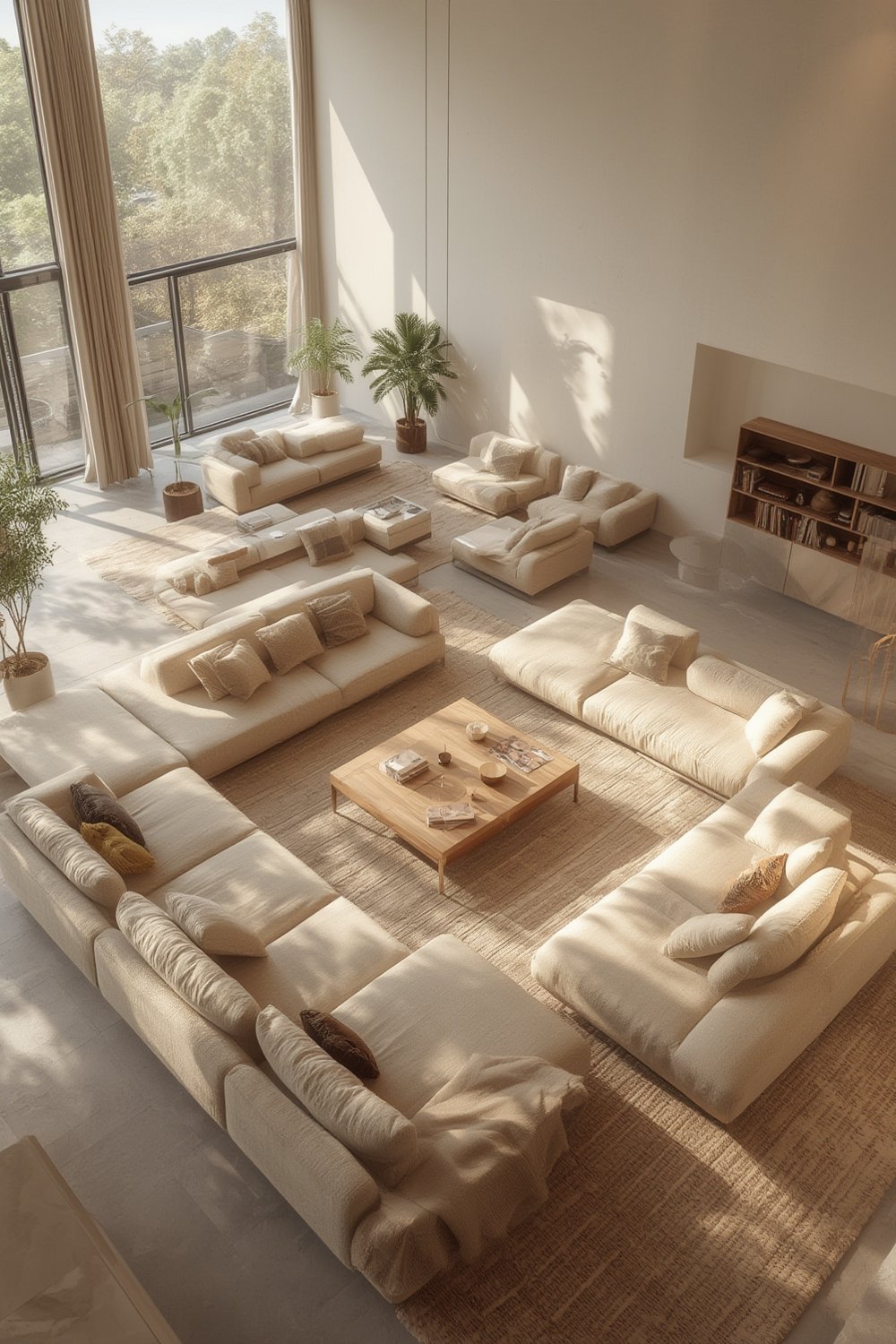
Why does this matter in 2024? According to recent market research, the global modular furniture sector is valued at over $73 billion and is expanding, especially in North America and Europe. Nearly 40% of revenue comes from North America alone, driven by the explosion in remote work and demand for flexible, stylish interiors. Europe stakes over 30%, with key growth in countries like Germany and the UK. If you want to make the most out of expensive or limited space, modular systems are now a mainstream solution both for residences and businesses.
There’s also a sustainability angle. Many modular designs, like those featured in eco-friendly furniture guides, use durable materials and are built to last, reducing waste as rooms and needs change. If you’re in a rental or urban apartment, the ability to reconfigure or move your furniture can also save money and hassle over time.
Step-by-Step Guide
Not sure how to get started with modular furniture systems? Here’s a clear, practical sequence for choosing and integrating modular solutions at home or the office.
1. Assess Your Actual Needs
List the core functions you want: seating, shelving, working, sleeping, or storage. Consider daily use and any special requirements (e.g., kids, pets, home office).
2. Map Out Your Space
Create a quick floor plan with accurate measurements. Mark doors, obstacles, windows, and outlets. This helps you visualize how modules will fit and flow together.
3. Research and Compare Brands
Look for brands with proven modular expertise and strong customer feedback. Established names like IKEA, Herman Miller, or Steelcase may offer tried-and-true solutions, but there are also niche companies innovating for tiny apartments or specialty use-cases.
4. Check Expandability and Flexibility
Choose systems where you can add, move, or swap modules—including accessories like drawers, shelves, or integrated lighting. This futureproofs your purchase as your needs change.
5. Inspect Material Quality
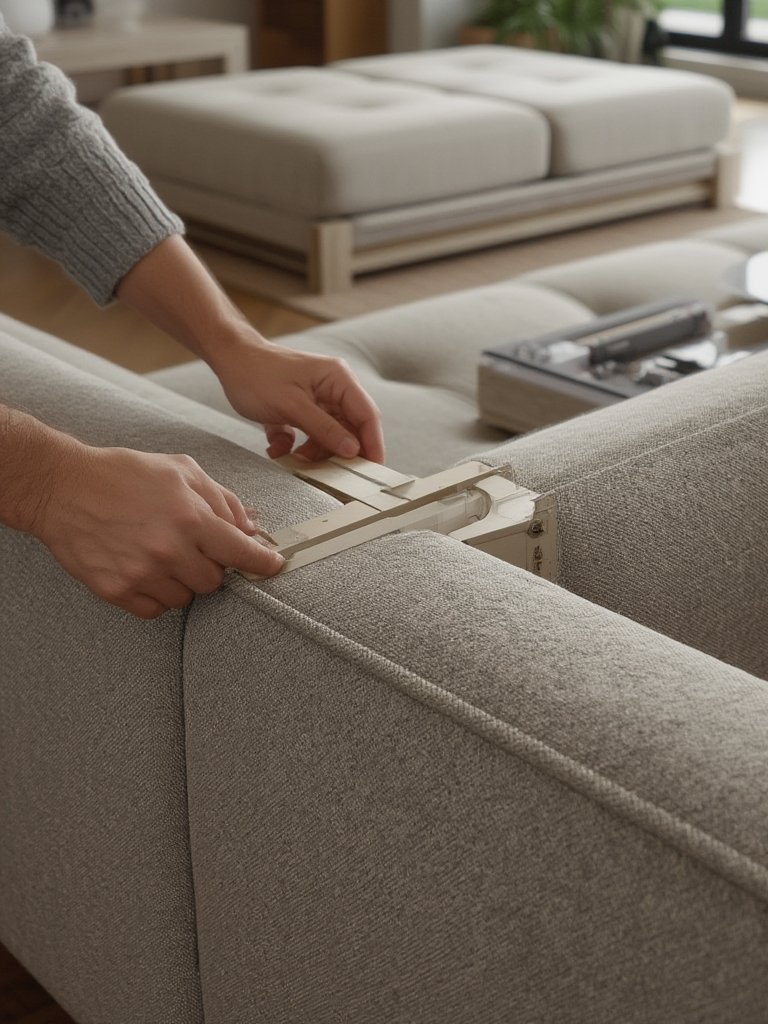
Not all modular systems are built to last. Focus on high-quality finishes, reinforced connection points, and proven weight limits—ask for detailed specs before buying. For sustainable options, see plastic-free kitchen storage and drawer organizer systems that blend with modular furniture.
6. Plan Assembly and Maintenance
Find out whether tools are required and if assembly guides are clear. Modular systems should be easy to put together, take apart, and move—without compromising sturdiness.
7. Maximize Utility with Accessories
Upgrade with removable bins, adjustable shelves, under-sink organizers, or convertible surfaces. Many modular pieces have add-ons that improve storage or turn a seat into a daybed.
8. Evaluate Warranty and Support
Prefer brands with clear warranties, solid after-sales support, and upgrade paths. Customer service makes a huge difference, especially if you plan to expand your system later.
Advanced Analysis & Common Pitfalls
While modular furniture systems sound ideal, several real-world issues can impact your experience. Here’s a breakdown of common pitfalls—plus a side-by-side comparison of top brands where data allows.
- Poor Assembly Instructions or Hardware: Some systems come with unclear assembly guides or missing hardware, leading to frustration and unsafe builds.
- Weak Connection Mechanisms: Low-quality brackets, screws, or snap-in joints can loosen over time, especially if modules are moved often.
- Durability Concerns: Cheaper materials (thin particleboard, soft metals) may look modern but degrade fast under weight or with frequent disassembly.
- Limited Expandability: Entry-level systems might lack compatible add-ons, making upgrades impossible.
- Mismatch Between Modules: Not all modular furniture systems mix well; sizing, color, and connection methods may differ, especially across brands or seasons.
- Support and Warranty Gaps: Some brands advertise lifetime support but are slow to respond on expansion or replacement part requests.
| Factor | IKEA | Herman Miller | Steelcase |
|---|---|---|---|
| Ease of Assembly | DIY Friendly, but mixed reviews on instructions | Professional installation recommended | Moderate; requires some expertise |
| Warranty & Support | 1-10 years, limited expansion after purchase | Strong, comprehensive multi-year warranties | Solid warranty, attentive to business clients |
| Material Quality | Varies (mostly MDF, mixed wood/metal) | High-end materials, engineered for longevity | Premium finishes, robust construction |
| Expansion Options | Many add-ons in catalog, but compatibility shifts over time | Customizable, strong long-term compatibility | Wide expansion sets, focused on office needs |
It’s worth noting that most competitor articles miss the complexities of real-life use when it comes to modular shelving adaptability, long-term compatibility with third-party modules, and how systems fare after repeated disassembly. For more space optimization insights—especially for renters—explore dedicated guides on renter-friendly furniture or compact sofas for small apartments.
Conclusion
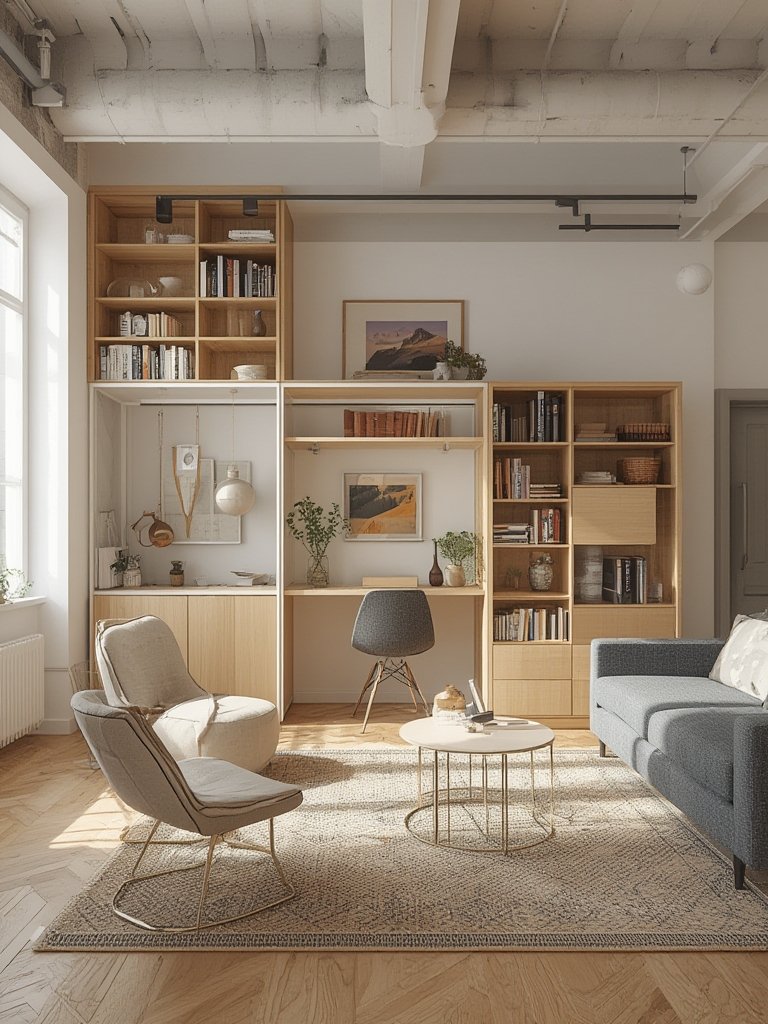
Modular furniture systems offer a practical, modern solution for anyone needing flexible interiors that adapt to changing lifestyles, downsizing, or work-from-home setups. By focusing on planning, selecting quality materials, and choosing reputable brands, you’ll avoid most pitfalls and can make upgrades as your needs shift. Ready to make your home or office more versatile? Start researching modular furniture systems today—your future self will thank you for smart planning and flexible design.
Want more tips? Check out our guides on multi-functional furniture or see how folding furniture can work with your modular system to maximize every square inch.
FAQ Section
What are modular furniture systems?
They are collections of furniture modules—like seats, tables, and shelves—that can be arranged, combined, or expanded to suit your space or changing needs, unlike fixed traditional furniture.
Are modular furniture systems worth the investment?
Yes, especially if you expect to move, remodel, or want your furniture to adapt as your life changes. Durable, well-designed systems can save money over time compared to buying new fixed furniture for each stage of life.
Can I install modular furniture myself?
Many brands are designed for do-it-yourself assembly, though complex or high-end systems might require some expertise or professional help. Always check assembly guides and reviews before buying.
How do I choose the right modular system?
Focus on accurate measurements, reputation for quality, expandability, and clear after-sales support. Compare warranty and available accessories. Try to see real-life photos or ask for material samples if possible.
What are the downsides of modular furniture?
Potential issues include durability if construction quality is lacking, difficulty matching new modules to discontinued lines, or needing extra tools and patience during assembly. Carefully choosing brands and reading user reviews can reduce these risks.