
### Blog Post:
Foldable garden tools are changing the way urban and small-space gardeners work, offering practical solutions for storage, transport, and everyday gardening tasks without sacrificing quality or ergonomics.
Key Takeaways
- Foldable garden tools save space, making them ideal for city dwellers and gardeners with limited storage.
- Quality varies widely—smart buyers look out for strong locking mechanisms and durable materials.
- Misuse and poor maintenance can shorten the lifespan of folding tools, so choosing wisely and caring for them is essential.
- The Core Concept: What are Foldable Garden Tools?
- Step-by-Step Guide: How to Select and Use Foldable Garden Tools
- Advanced Analysis & Common Pitfalls
- Conclusion
- FAQ
The Core Concept: What are Foldable Garden Tools?
Foldable garden tools are specifically designed to collapse or fold for compact storage and easy transit. This innovation helps gardeners, especially those living in apartments or with limited shed space, to tackle tasks like pruning, digging, or weeding without cluttering their home. The market for these tools is expanding rapidly. Industry reports note that the gardening hand tools market was valued at $86.3 billion in 2023 with growth driven by urbanization and small-space living trends (source).
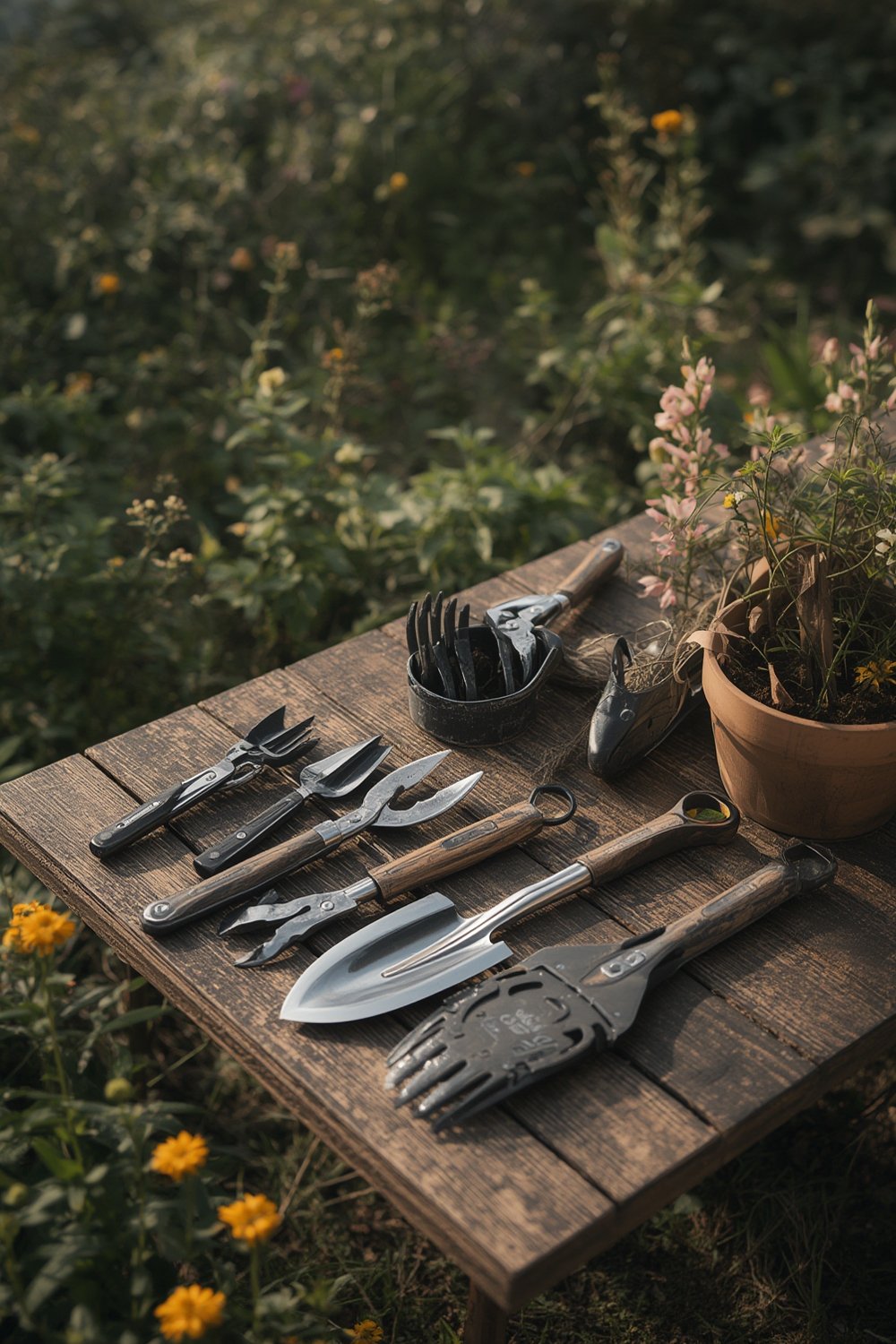
These tools typically include foldable shovels, pruners, trowels, saws, and rakes. For renters or homeowners with compact gardens or even just a balcony, foldable tools mean less mess, fewer risks of lost tools, and more practical gardening. The folding mechanism makes transport a breeze, whether you’re heading to a community plot, working curbside, or storing your tools in a small drawer or corner. Integrating these with multi-functional furniture or placing them with an organized rack can keep any space tidy.
Foldable garden tools particularly align with sustainable outdoor trends, as they reduce the need for oversized utility spaces and can be paired with eco-conscious furniture in the garden.
Step-by-Step Guide: How to Select and Use Foldable Garden Tools
The right foldable tools make a night-and-day difference. Here’s how to choose, use, and maintain them for the best results:
- Assess your garden needs: Do you mostly need to prune, dig, or weed? Small-space and balcony gardeners may want foldable pruners, soil knives, and mini shovels. If you have raised beds, a folding hoe or rake is also handy. Exploring raised bed systems can help maximize compact gardens even further.
- Prioritize quality materials: Look for stainless steel or carbon steel blades paired with ergonomic, rubberized handles. Check for robust, rust-resistant locking mechanisms that prevent accidental collapse or injury.
- Test folding action and safety: In-store, check how smoothly each tool folds and locks into place. Online, read reviews for complaints about sticking, bending, or trick mechanisms. Reputable guides, like those on expert gardening blogs, help identify standout brands and designs.
- Plan storage solutions: Pair your foldable tools with a space-saving storage organizer or keep them in a compact caddy so they’re easily accessible. Minimal storage clutter is especially valuable if you also keep other items, like drawer organizing tools, in the same area.
- Mindful use and routine care: After each session, rinse off dirt, dry thoroughly, and lubricate folding joints. Store in a dry place to avoid moisture buildup that can cause corrosion. This low-effort care is especially crucial for folding mechanisms.
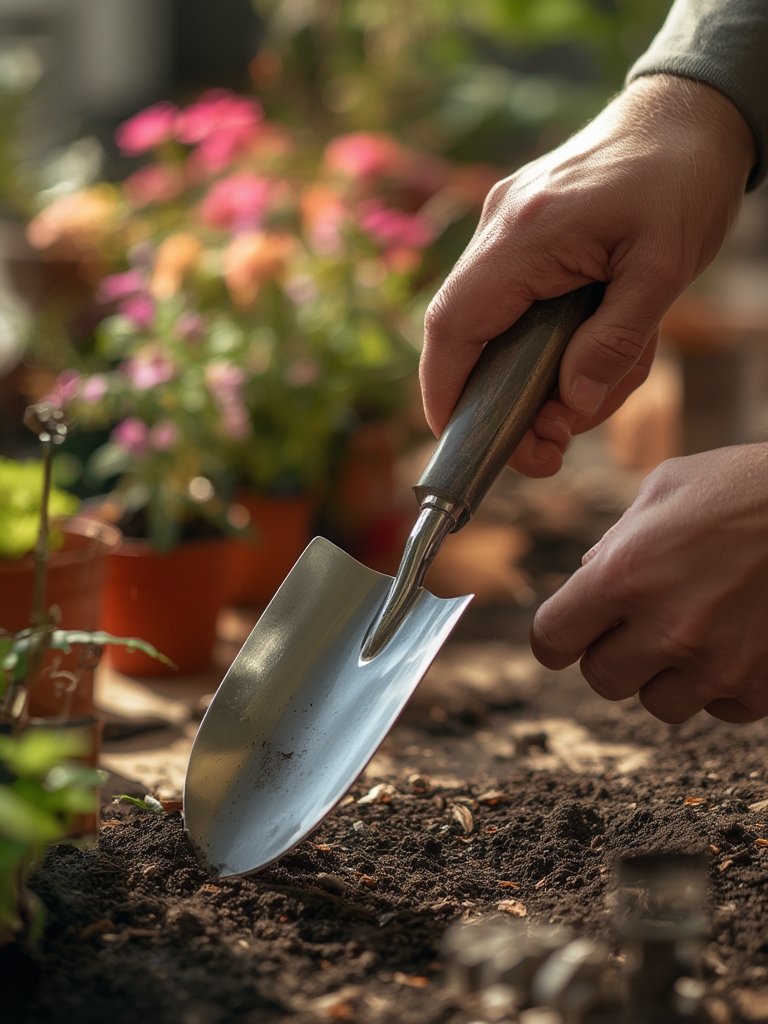
- Be realistic—foldable garden tools, while handy, may not match the brute force of large, fixed tools. Use them as intended to avoid damaging them or injuring yourself.
- Keep manufacturer instructions handy and never force a folding tool closed if it feels stuck. Clean first, then fold, to maintain smooth operation.
Combining foldable tools with folding furniture for small spaces and a smart approach to multi-area organization can supercharge your overall home or garden efficiency.
Advanced Analysis & Common Pitfalls
The market for garden tools continues to grow—according to Market.US Research, the sector will reach $157.5 billion by 2033. Increased urbanization means more gardeners wrestling with small storage areas and seeking compact, portable tools. But not all folding garden tools are created equal. Here are crucial comparisons and common pitfalls to be aware of:
| Feature | Foldable Tools | Traditional Tools |
|---|---|---|
| Portability | High – fits in bags and drawers | Low – requires full-length storage |
| Strength | Medium – hinge may limit leverage | High – fixed handle and blade |
| Maintenance | Higher – needs cleaning and lube | Lower – fewer moving parts |
| Safety | Locking is critical – risk if hinge fails | Stable – no folding risks |
| Price Range | Varies, often slightly higher | Stable, typically lower for basic options |
Common Pitfalls:
- Poor hinges or locking mechanisms: Some entry-level folding tools use weak or plastic hinges that bend or break with heavy use. This is a frequent complaint online and a reason tools fail early.
- Overloading tools: Using a foldable trowel or shovel for rocks or heavy-duty digging can snap the hinge or blade. Stick to light garden chores, and use larger equipment for tough jobs.
- Neglecting cleaning: Soil and grit jam folding joints, causing rust and stiff movement. Avoid this by rinsing and drying after every use.
- Ignoring user reviews: Verified buyer comments highlight if a tool pinches fingers, collapses by accident, or just doesn’t last through a season. Research before purchasing.
- Limited strength for tough soils: Folding tools excel in light to moderate conditions, but they’re not suited for very rocky, compacted, or root-filled earth. Plan for this if your garden needs heavy prep or clearance.
Conclusion
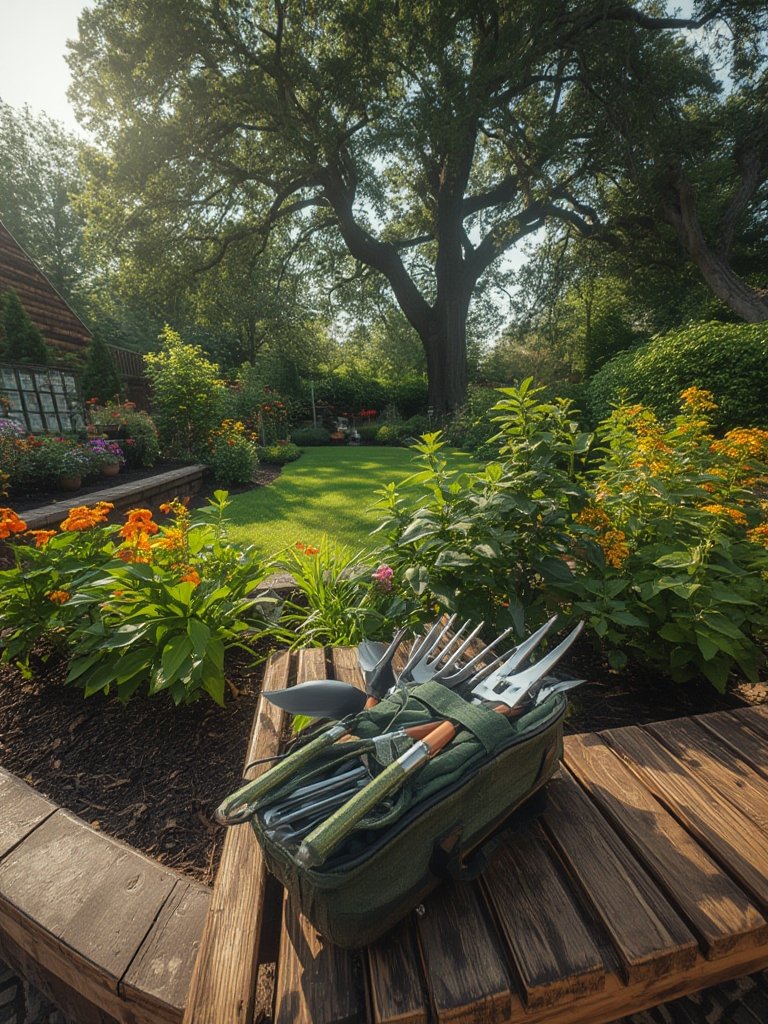
Foldable garden tools offer big advantages in storage, portability, and ease-of-use—especially for urban, beginner, or rental gardeners. They aren’t magic: you must choose wisely, maintain them, and know their limitations for best results. When paired with sustainable gardening habits and organization strategies, these tools can truly transform even the smallest space.
Ready to rethink your toolkit? Upgrade to foldable garden tools for a smart, clutter-free gardening experience—your knees, back, and storage closet will thank you. Compare models, read real reviews, and check out storage solutions in our gardening organizer guide before you shop.
FAQ
Are foldable garden tools as strong as regular tools?
Generally, foldable tools are slightly less robust due to their joints and folding mechanisms. However, top-quality models made from strong metals and with secure locks can handle routine garden work with ease.
Which garden tasks are best suited for foldable tools?
Pruning, small digging, shaping beds, and light weeding. For very hard soil or large-scale landscaping, a fixed-handle tool is still best.
How do I prevent my folding garden tool from jamming?
Always clean dirt out of the hinge and dry the tool before storing it. Apply a light oil to the joint if it starts to feel stiff.
What should I look for when buying a foldable garden tool?
Check for a strong, metal hinge, secure locking mechanism, corrosion-resistant finish, and ergonomic handle. Read user reviews before buying and avoid no-name brands with little feedback.
Can I store foldable garden tools outdoors?
It’s best to store them indoors or in a waterproof box. Exposure to rain and repeated moisture can fast-track rust, especially at the joint.