Raised garden beds have transformed the way everyday people approach small-space gardening, urban agriculture, and home food production. Whether you’re looking to grow fresh vegetables, reduce lawn maintenance, or control soil health, raised beds offer a modern, practical solution—but they aren’t without challenges.
Key Takeaways
- The global market for raised garden beds is growing rapidly, driven by urban agriculture and sustainable home gardening.
- Raised beds improve soil control and space optimization but can involve tricky assembly and higher starting costs.
- Modular, durable materials and smart planning reduce common problems like durability and high maintenance.
- What Are Raised Garden Beds and Why Use Them?
- How to Build and Maintain Raised Garden Beds: Step-by-Step
- Advanced Analysis & Common Pitfalls of Raised Garden Beds
- Conclusion
- FAQ
What Are Raised Garden Beds and Why Use Them?
Raised garden beds—sometimes called raised planters or grow boxes—are soil-filled structures elevated above ground level. Typically made from wood, metal, or recycled materials, these beds create a defined, accessible spot for your plants and vegetables. The popularity of raised beds has skyrocketed as more people seek manageable yard solutions and urban gardening grows in trendiness.
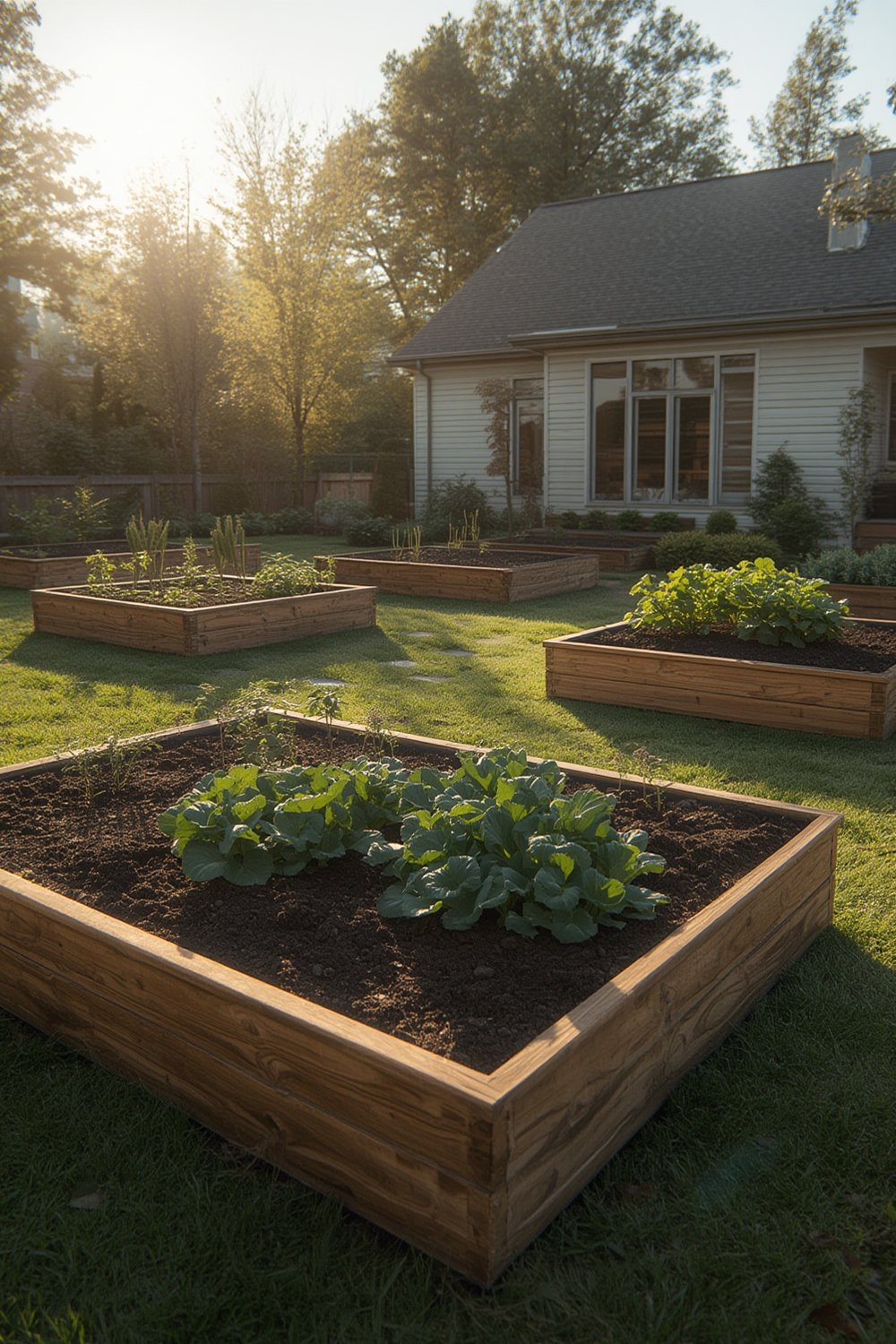
Why choose raised garden beds? Here are the major reasons:
- Improved Soil Quality: You control every aspect of the soil, making it easier to manage pH, prevent compaction, and avoid contaminated local soils.
- Better Drainage: Excess water drains efficiently, reducing root rot risks.
- Weed and Pest Reduction: Raised sides, bottom barriers, and concentrated planting areas mean easier weed and pest management.
- Accessibility: Raised beds are easier to reach, reducing bending and physical strain—a major win for seniors and those with limited mobility.
The global market for raised garden beds is on a rapid upswing, projected to hit USD 3.4 billion by 2030, with innovations like modular designs and recycled materials shaping the industry’s future. Companies like Vego Garden and Greenes Fence have launched modular or eco-friendly lines, targeting a new generation of gardeners who value sustainability and flexibility (source).
For homeowners who’ve invested in sustainable outdoor furniture or are optimizing yard space, raised beds offer a complement that blends eco-friendly ambition with real productivity.
How to Build and Maintain Raised Garden Beds: Step-by-Step
Starting a raised bed can be intimidating, but you don’t need to be a carpenter or a botanist. Follow these hands-on steps to build, plant, and maintain your bed for year-round success.
- Choose Your Location & Bed Size: Most raised beds measure 4 × 8 feet or less, allowing easy access from any side.
- Select the Right Materials: Untreated cedar or redwood resists rot; powder-coated steel offers longevity. Recycled plastic and metal kits are now trending for their durability and sustainability. For design inspiration, look for ideas that blend with cozy bedroom furniture or reflect outdoor style.
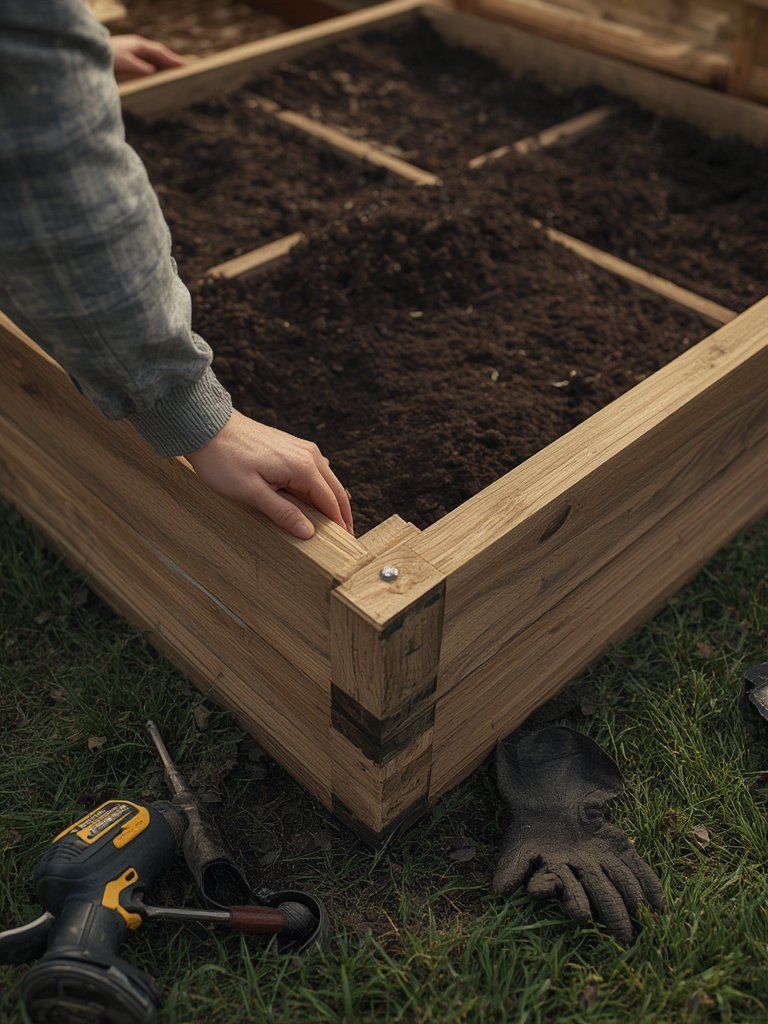
- Build or Assemble the Frame: Secure corners with galvanized hardware. Ensure the bed is level to avoid uneven soil moisture. DIYers may save money, but pre-made kits can save tons of time and frustration—see market trends for modular and stackable options.
- Add a Weed Barrier: Line the base with cardboard, newspaper, or commercial landscape fabric—especially important for areas with aggressive weeds.
- Fill with Quality Soil: Mix topsoil, compost, and a handful of slow-release organic fertilizer. Deep beds (at least 12 inches) support almost any root vegetable or flower.
- Plant Your Crops: Plan your layout based on companion planting. Place tall crops in the center or north edge; add easy access paths between beds.
- Maintain Regularly: Water consistently, check soil moisture, mulch with straw or bark, and replace compost each season. Consider a garden tool storage organizer to keep hand tools and gloves within easy reach.
Extra tips for busy gardeners: Automate watering with a simple drip irrigation line; install a smart bird feeder nearby to control pests and enjoy birdwatching; use stackable vertical planters for micro greens or herbs as part of a small space kitchen upgrade.
Advanced Analysis & Common Pitfalls of Raised Garden Beds
While raised garden beds are popular for their many benefits, beginners and experienced users alike encounter some realistic hurdles. Understanding these common pitfalls can help you plan better and avoid frustration:
| Pitfall | Description | Actionable Fix |
|---|---|---|
| Challenging Assembly | Pre-cut kits may still require drilling or careful alignment. Instructions can be unclear, and cheap fasteners often fail. | Invest in high-quality kits or pre-assembled frames. Preview instructions and product reviews before purchase. |
| Material Durability | Softwoods and low-grade steel can rot or rust within a few years, especially in wet regions. | Choose rot-resistant wood or powder-coated metal. Avoid treated lumber unless labeled food-safe. |
| High Startup Costs | Initial investment can exceed $150 per bed, especially with quality soil and lumber/steel. | Use recycled or upcycled materials. Fill with bulk compost or mix your own soil blends to save money. |
| Maintenance Overwhelm | Beds dry faster and need more frequent watering and ongoing soil top-up. Poor planning leads to neglect. | Set irrigation reminders or install a drip system. Use thick mulch and plan for seasonal reconditioning. |
| Environmental Impact | Unsustainable wood or imported materials can increase the project’s carbon footprint. | Prioritize locally-sourced or recycled materials. Research options featured in eco friendly kitchen storage guides. |
One market study found modular and stackable garden beds now comprise about 30% of new product launches (see analysis). These flexible options simplify both setup and expansion, helping tackle the most common pain points for home growers.
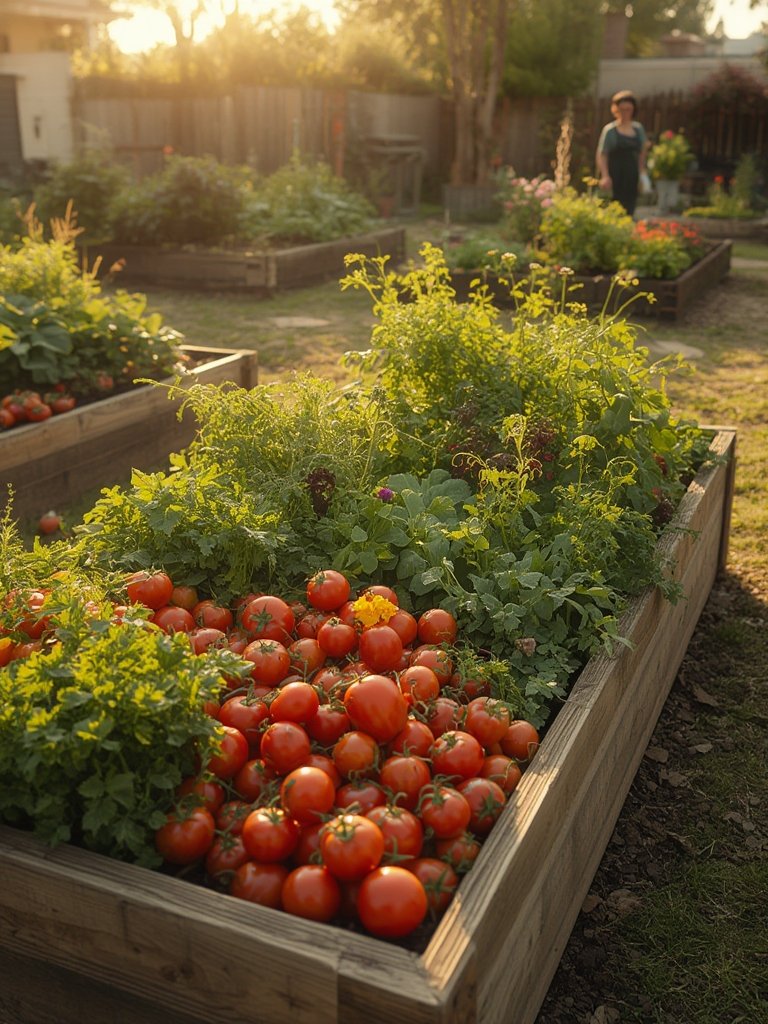
For any gardener, simplifying tool access and layout further improves your outcome. Consider integrating garage storage racks or vertical shelving near the garden to keep things organized year-round.
Conclusion
Raised garden beds offer a flexible, productive way to cultivate vegetables, herbs, and flowers—especially in spaces where traditional gardening is impractical. By choosing durable materials, establishing smart placement, and maintaining soil quality, you maximize both yield and enjoyment while minimizing potential headaches. Market trends suggest modular, stackable, and eco-friendly options are here to stay, so start planning now and see how raised garden beds can transform your space. Ready to build your first bed? Start today and grow smarter, not harder.
FAQ
What is the best material for raised garden beds?
Cedar and redwood are rot-resistant and long-lasting, but powder-coated steel and recycled composite options are gaining popularity for durability and low maintenance. Always check that materials are food-safe, especially for edible crops.
How deep should my raised beds be?
12 to 18 inches is ideal for most vegetables and flowers. Shallower beds may work for greens or herbs. For root crops like carrots or potatoes, choose or build beds at least a foot deep.
Do raised garden beds need a bottom?
Most do not need a solid bottom if placed directly on soil, but adding hardware cloth can deter burrowing pests. In patios and paved areas, use thick landscape fabric or lumber as the base for stability.
What’s the simplest way to water raised beds?
Drip irrigation or soaker hoses on a timer offer consistent moisture and save time. Mulch helps retain moisture and reduce how often you’ll need to water.
Can I use a raised garden bed on a balcony or patio?
Yes, but be careful with weight. Choose lightweight soil, ensure proper drainage, and protect surfaces from water runoff. Modular raised beds and vertical planters are best for small spaces.