

### Blog Post:
Folding furniture for small spaces is rapidly reshaping how urban homeowners, renters, and anyone living compactly think about maximizing every inch of their environment. If you need flexible solutions for small apartments, home offices, or multipurpose rooms—foldable furniture delivers versatility without sacrificing style or function. Let’s explore everything you must know to make the right decision for your home.
Key Takeaways
- The global folding furniture market is expanding fast, led by the demand for space-saving, multifunctional pieces, especially in urban areas.
- Choosing folding furniture for small spaces requires understanding product build, realistic durability, and potential downsides.
- Practical design, room sizing, and online research are essential for making confident and cost-effective decisions.
- Folding Furniture for Small Spaces: The Core Concept
- Step-by-Step Guide: Choosing and Using Folding Furniture for Small Spaces
- Advanced Analysis & Common Pitfalls
- Conclusion
- FAQ
Folding Furniture for Small Spaces: The Core Concept
Folding furniture, designed for small spaces, offers a practical way to use rooms for multiple purposes—transforming living, working, and sleeping zones throughout the day. This category includes fold down desks, wall beds, collapsing tables, and chairs that tuck away when not needed. With shrinking urban homes and a shift toward minimalist lifestyles, folding furniture addresses pressing challenges: limited floor area, increasing work-from-home needs, and a desire for tidy aesthetics.
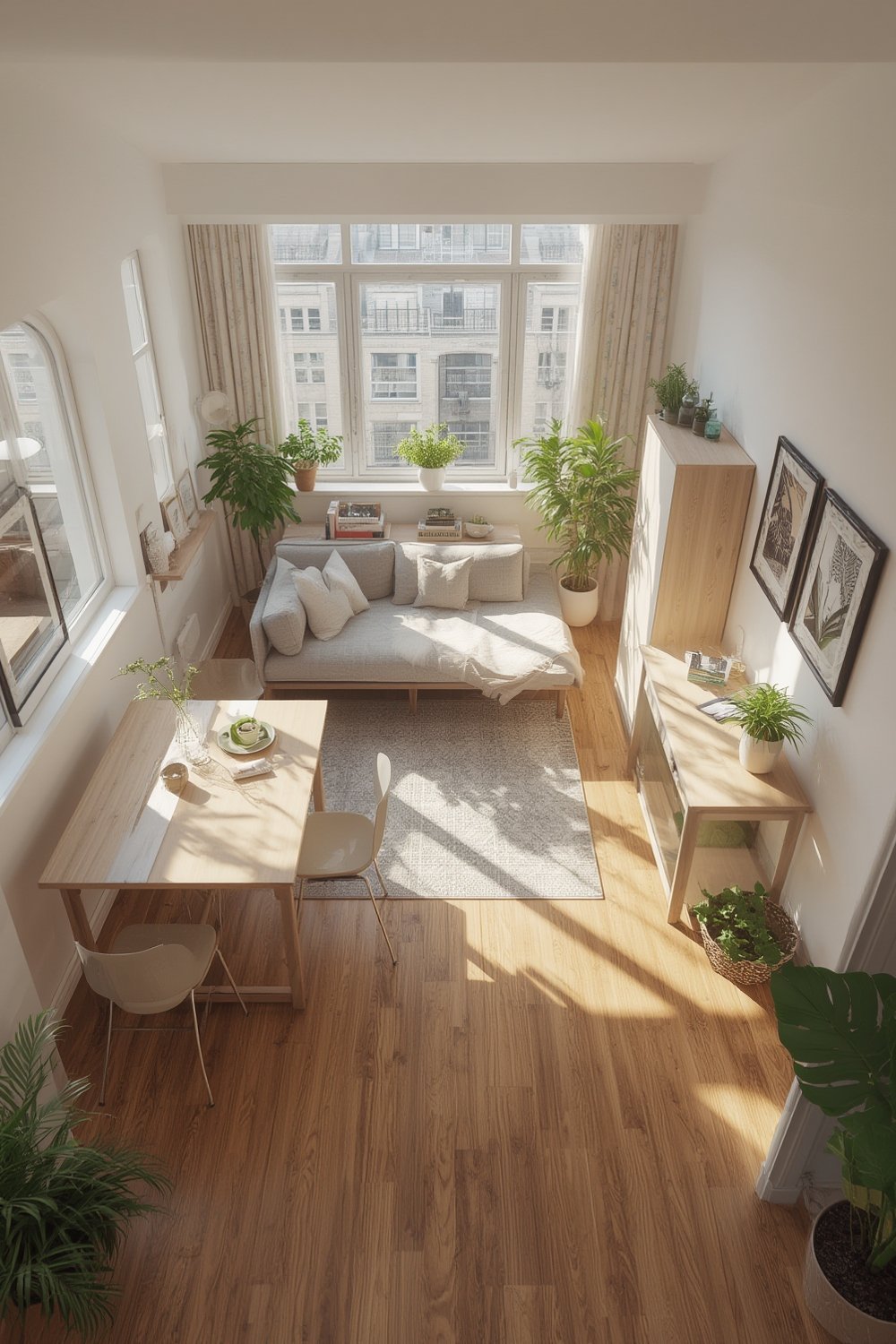
According to leading industry surveys, the global folding furniture market is poised for strong growth due to urbanization, smaller apartments, and surging interest in smart, multifunctional living solutions. By 2024, market estimates ranged from USD 4.42 billion to USD 14.83 billion—with rapid expansion forecasted through 2030. Chairs and tables account for more than half of all folding furniture sales, especially in Asia Pacific and North America, where tiny spaces and remote work drive demand.
Homeowners are also increasingly prioritizing sustainable materials and eco-friendly production. These trends mirror those in sustainable outdoor furniture, highlighting a global desire to blend functionality with responsibility.
Ultimately, folding furniture is not just about saving space—it’s about adapting environments to life’s different demands, whether it’s transforming a breakfast nook into a home office, or turning a living room into a guest room with minimal effort.
Step-by-Step Guide: Choosing and Using Folding Furniture for Small Spaces
Not all folding furniture is created equal. Follow these step-by-step strategies to select, install, and maximize the value of each piece.
1. Identify Your Real Needs First
Is your biggest challenge carving out a workspace, finding guest accommodations, or seating guests for dinners? Determine which function takes priority. For a dual-purpose guest room-office, consider a convertible wall beds and a collapsible desk. If you’re seeking more kitchen storage, pair fold-out dining tables with dedicated kitchen storage solutions for small spaces for maximum efficiency.
2. Prioritize Quality & Ease of Use
Choose solid hardware and smooth hinges. Read reviews for feedback on stability—look for models that lock firmly in place and don’t wobble. While many pieces look alike online, real-world usability hinges on tight engineering and sturdy materials.
3. Compare Materials & Sustainability
If eco-friendliness matters to you, seek out folding furniture using certified wood, metal frames, and low-VOC finishes. These standards often align with those in eco friendly kitchen storage products. Bamboo, recycled plastics, and responsibly-sourced metals are trending materials.
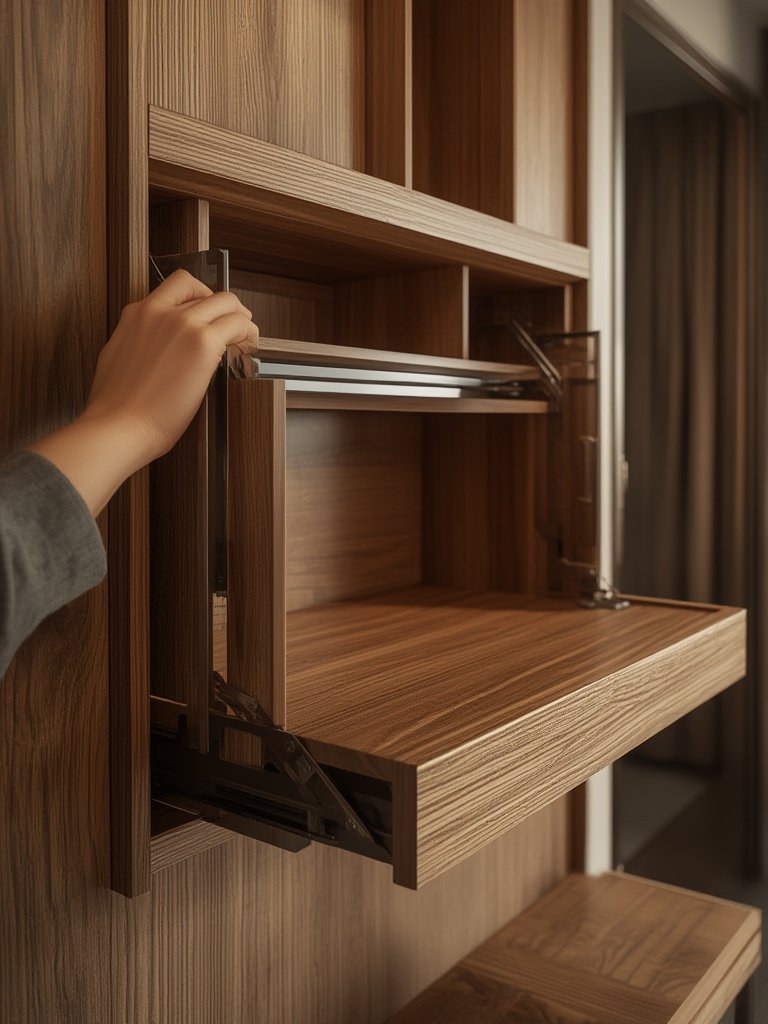
4. Consider Versatility
Look for furniture serving more than one use, like a storage ottoman that folds flat, or a dining table that doubles as a desk. This mirrors the logic behind multi functional furniture, which is also gaining popularity for maximizing function with minimal footprints.
5. Research Mechanisms, Dimensions, and Weight Limits
Since there’s no universal standard size, check product specs and user photos for true-to-life scale. Make sure the item’s weight limit fits your needs—especially with folding chairs and beds. If you’re outfitting a studio apartment, pair collapsible pieces with entryway storage benches for additional organization without bulk.
6. Evaluate Storage Options
Where will you keep your folding furniture when it’s not in use? Under beds, behind doors, in closets, or even vertically on hooks? This becomes even easier if you optimize with under sink organizers to reclaim seldom-used space.
Advanced Analysis & Common Pitfalls
While folding furniture offers enormous benefits, realistic buyers should be prepared for challenges. Here are the most common issues and honest observations, based on patterns in user reviews and market data:
| Factor | Folding Furniture for Small Spaces | Traditional Furniture |
|---|---|---|
| Space Usage | Highly efficient; can double available room space | Fixed; can dominate small areas, limiting flexibility |
| Setup/Breakdown Time | Consistent manual effort needed (fold/unfold) | No setup needed; always ready |
| Durability | Varies; hinges & moving parts may wear sooner | Fewer moving parts, generally longer lifespan |
| Weight Limit | May be lower (always check specs) | Usually higher, more robust by default |
| Cost Range | Starts lower but high-end models can be costly | Broad range but less variance in quality |
| Safety/Certifications | Lacks standardized certification; check for sharp edges, pinch points | Often conforms to longstanding safety standards |
| Stability | Can wobble if not set up properly; best models lock in place | Very stable by design |
| Style Options | Improving but still fewer premium/luxury designs | Endless variety, including plush and premium (see boucle fabric bed options) |
Common Pitfalls
- Weight Warnings: Exceeding weight limits can lead to breakage or sudden collapse, especially for cheaper models.
- Setup Hassles: Folding and unfolding daily can become tedious, particularly if the mechanism is stiff or complex.
- Wear Points: Hinges and joints are vulnerable to long-term stress. Some users report sags or instability over time.
- Missized Purchases: It’s easy to underestimate folded size or overestimate how much space is truly saved. Always check storage logistics before buying.
- Aesthetic Trade-Offs: While improving, foldable styles may lack the luxury look of permanent furniture—though trends in “cozy luxury” are closing the gap, as with plush headboard beds and modern boucle designs.
For further reading, detailed market growth, and trends data, see the research at Zion Market Research and Strategic Market Research.
Conclusion
Folding furniture for small spaces delivers immense value for anyone needing to make the absolute most of a compact home or apartment. When chosen carefully, these solutions balance practicality, flexibility, and style at a range of price points. Always check product specifications, prioritize sustainability, and plan for real-world use before investing. Ready to optimize your living space or work area? Start your search now—and experience how folding furniture for small spaces can transform your daily life without clutter or compromise.
Looking for more home organization ideas? Explore solutions from drawer organizer inserts to vertical kitchen storage.
FAQ
What types of folding furniture work best for very small apartments?
Wall-mounted drop-down desks, fold-out dining tables, and chairs that store flat are ideal for small apartments. Ottomans with storage, or convertible wall beds, are great for combining uses without taking up much room.
How do I know if a folding table or chair is sturdy?
Check the product specs for weight ratings, focus on metal hinges and reinforced frames, and read user reviews for feedback on stability. Assembly quality matters—opt for models that lock when open.
Where do I store folding furniture when it’s not in use?
Common storage spots include under beds, behind doors, in closets, or vertically on wall hooks. Smaller pieces can even tuck behind sofas. Make sure your chosen space can fit the furniture’s folded dimensions.
Are there eco-friendly folding furniture options?
Yes, look for products made with bamboo, recycled metal, responsibly harvested wood, and low-emission finishes. Brands inspired by sustainable outdoor furniture often use similar materials for indoor folding pieces.
What should I avoid when buying folding furniture for small spaces?
Avoid models with low weight limits, unprotected sharp hinges, or hard-to-operate locking mechanisms. Watch out for furniture that’s tough to fold up, or too heavy to move easily.
—