
Outdoor furniture covers are the only thing standing between your patio set and costly weather damage. If you want to protect your investment from rain, snow, harsh sun, and even everyday grime, you need the right cover—but most homeowners still make expensive mistakes or choose covers that don’t really work.
Key Takeaways
- high-quality outdoor furniture cover prevents annual repair and replacement costs—over two-thirds of homeowners report furniture damage each year.
- Breathability, waterproofing, and UV resistance are critical features to look for—cheap covers often fail within one season.
- Climate, furniture material, and how often you use your outdoor space all affect which cover is best for you.
- What Makes a Good Outdoor Furniture Cover (and Why It Matters)
- How to Choose, Use, and Maintain Outdoor Furniture Covers
- Advanced Analysis: Pitfalls, Problems, and How to Avoid Them
- Conclusion
- FAQ
What Makes a Good Outdoor Furniture Cover (and Why It Matters)
According to recent research, two-thirds of homeowners deal with outdoor furniture damage annually, costing over $44 billion. Most outdoor furniture is not built to resist constant wet—unprotected wood warps, metal rusts, and even synthetics crack in harsh sun.
A truly functional outdoor furniture cover keeps moisture and UV at bay. But beware: “water-resistant” is not the same as waterproof. Look for coated polypropylene or PVC for proven protection.
Just as you would research sustainable outdoor furniture before a big purchase, understanding the science behind protective covers protects your investment for years to come.
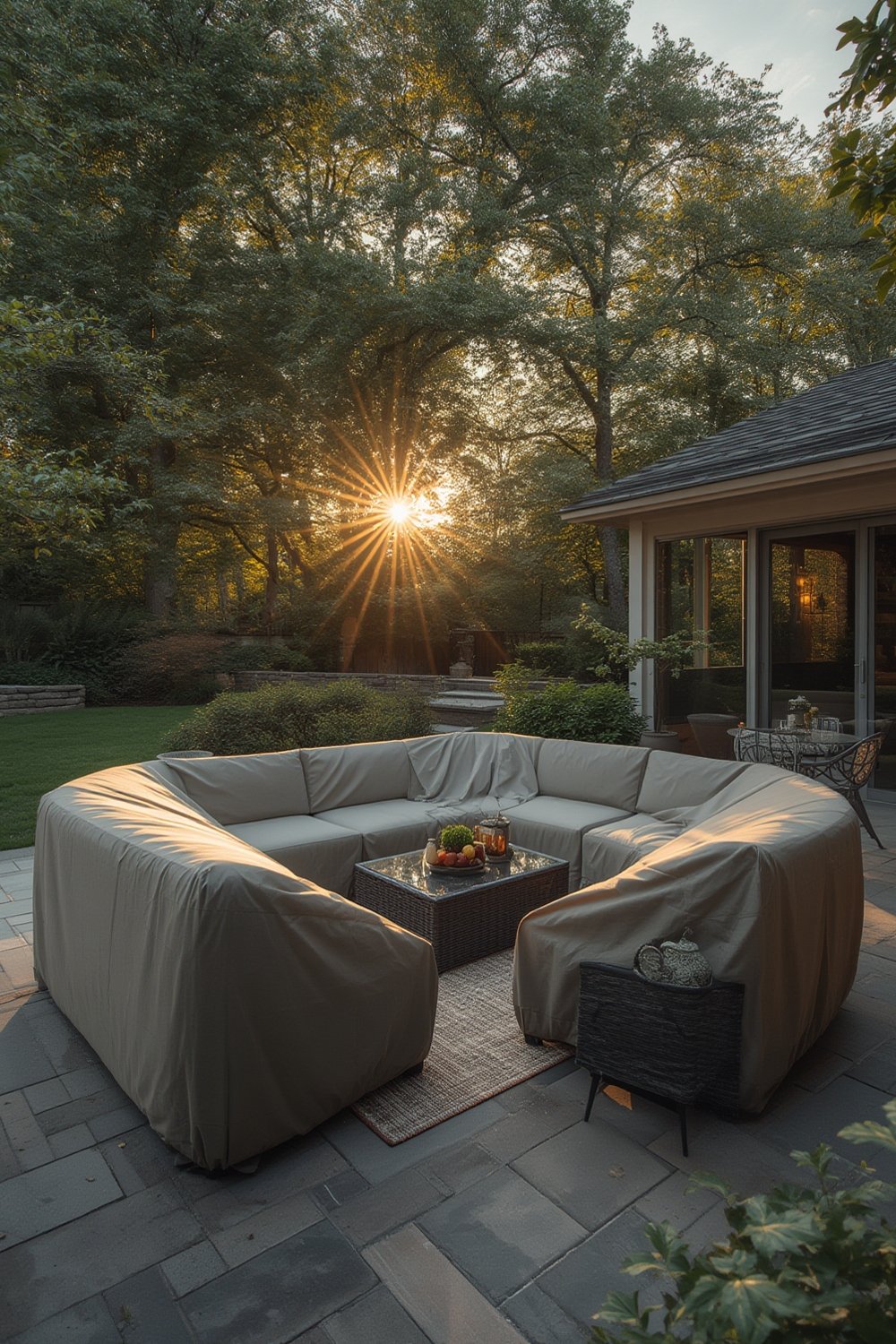
Patio furniture covers serve three main roles:
- Keep rain and snow out: Preventing moisture from penetrating cushions and wood stops rot and mold.
- Block damaging UV rays: Sunlight fades fabrics and breaks down many plastics.
- Stop debris, dirt, and pests: Stopping leaves, sap, and animals from soiling your set means less cleaning and longer-lasting looks.
But not all covers are equal. Cheap vinyl can crack after one season. Poorly-fitted covers trap moisture, creating the very problems you’re trying to avoid. That’s why knowledgeable homeowners, especially those who’ve invested in weather resistant outdoor furniture, choose covers tailored to their region, furniture type, and usage style.
How to Choose, Use, and Maintain Outdoor Furniture Covers
Choosing the right outdoor furniture covers is a multi-step process. Here’s the realistic, actionable guide for getting it right:
- Assess Climate and Space: If you live somewhere with hot summers, prioritize UV-blocking fabrics. Areas with frequent rain or snow need fully waterproof materials with taped seams and vents for airflow.
- Material Choice: Polypropylene with water-repellent coatings is durable, lightweight, and resistant to mold. PVC vinyl is 100% waterproof but might crack in freezing temps. High-end options offer multilayer construction that balances waterproofing and breathability.
- Fit and Coverage: Don’t settle for “universal-fit” covers unless you have standard pieces. Specialty or modular setups—like modular outdoor furniture—often need a tailored solution. Good coverage should reach the ground, but not drag and wick up groundwater.
- Ventilation and Tie-Downs: Vents reduce condensation. Elastic hems, buckles, or leg straps prevent wind loss.
- Installation: Always put covers on clean, dry furniture. In spring and fall, label and store covers neatly so they last longer.
- Regular Maintenance: Every month or after a storm, check for rips, mildew, and water pooling. Clean with mild soap and water—never bleach.
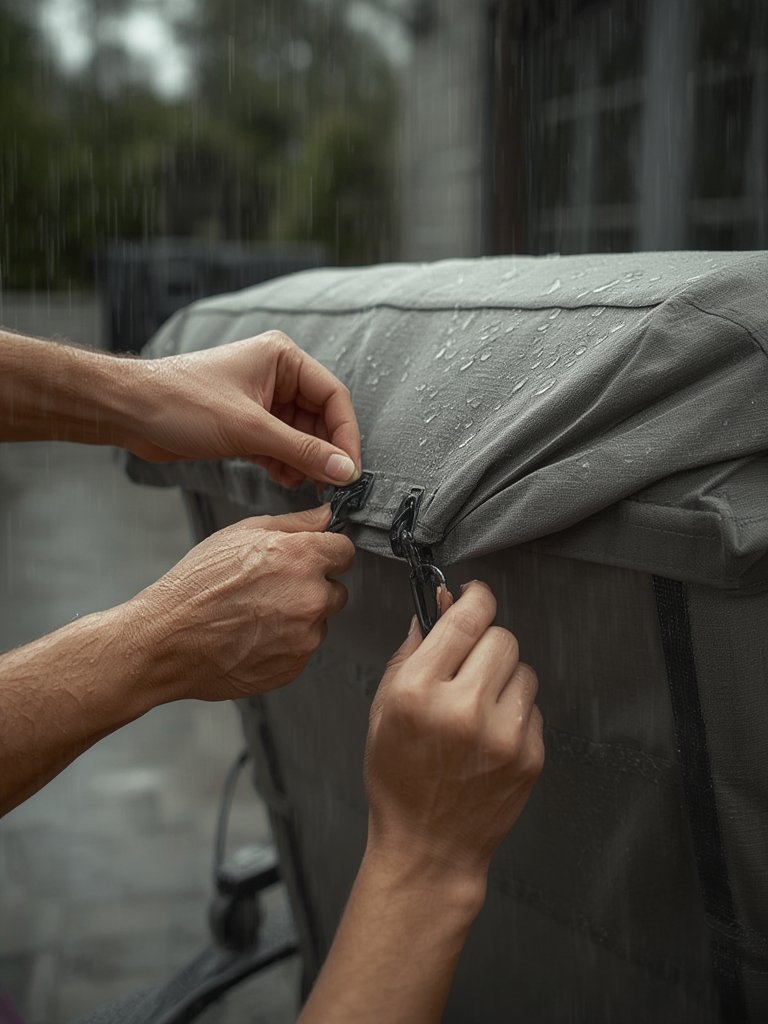
Don’t forget about smaller pieces—side tables, ottomans, storage benches, or even a small patio furniture set. Exposed items weather just as quickly as the main sofa or dining table.
When planning your full outdoor setup, think holistically. Smart homeowners address furniture storage, regular cleaning, and even organizing accessories using outdoor-friendly garden tool storage.
Advanced Analysis: Pitfalls, Problems, and How to Avoid Them
Even with the right intentions, there are common mistakes when it comes to outdoor furniture covers. Here’s what most people get wrong, and how to fix it:
| Common Pitfall | Why It Happens | How to Avoid |
|---|---|---|
| Choosing the wrong material | Many covers are marketed as “water-resistant” but soak through in heavy rain. | Insist on fully waterproof (not just resistant) materials. Brands like Renegade use multi-layer coatings that shed water and block mold. |
| Poor fit | Universal covers often leave furniture exposed. | Measure each piece, including custom layouts. Invest in tailored covers for non-standard shapes—especially important for modular setups. |
| No ventilation | Trapped moisture causes mildew and can attract pests. | Choose covers with vent panels or mesh to allow airflow. |
| Forgetting to clean covers | Dirty covers accelerate material breakdown and foster mold. | Regularly rinse and dry covers, storing them indoors when not needed. |
| Ignoring climate differences | People in wet climates often pick lightweight covers designed for sun, or vice versa. | If your climate brings more storms than sun, go for heavy-duty waterproof models. In dry, sunny climates, UV resistance is much more important (see this detailed climate guide). |
Debunking myths is also crucial: many homeowners believe expensive covers are always better, or that “water-resistant” doubles as waterproof.
There’s also a rising trend toward eco friendly small space furniture, which can influence what materials you’re comfortable choosing for covers—look for recycled plastics or PVC-free coatings if sustainability is a top priority.
Conclusion
Choosing and properly using outdoor furniture covers will save money and frustration while keeping your patio or backyard ready for relaxation and entertaining. With the right fit, material, and regular checks, you can avoid most of the pitfalls that cost US homeowners billions each year.
If you want your investment in outdoor furniture covers to truly pay off, act now—measure carefully, choose climate-appropriate materials, and maintain your covers seasonally for best results.
Ready to upgrade your outdoor space? Explore our full range of guides on sustainable outdoor furniture, modular outdoor furniture, and more—or get expert recommendations on weather resistant options.
FAQ
Are all outdoor furniture covers truly waterproof?
No. Many covers marketed as “water-resistant” will eventually let water through. For full protection, choose covers made from coated polypropylene, multilayer polyethylene, or PVC with taped seams. Double-check manufacturer specs before you buy.
How often should I clean my outdoor furniture covers?
Every month during the outdoor season and after major storms. Remove loose dirt, use mild soap and water, and air dry thoroughly before putting them back or storing them. This prevents mildew and extends cover lifespan.
Do I need covers if my furniture is weatherproof?
Even “weatherproof” sets benefit from covers. Covers protect against bird droppings, pollen, tree sap, pests, and UV fading. They also reduce cleaning time and keep your furniture looking newer, longer.
What’s the best way to prevent covers from blowing away?
Select covers with secure tie-downs, elastic hems, or buckle straps. For maximum security, add a few weight bags or use adjustable cord locks around each leg.
Can I use the same cover in both summer and winter?
If your cover is made from heavy-duty, UV-resistant, and waterproof material with vents, it can be used year-round. For extremely harsh winters, consider switching to insulated or reinforced off-season covers for the best protection.