

Pantry storage bins have become a must-have upgrade for anyone looking to maximize kitchen space, prevent food waste, and bring real order to daily life. The right set of bins can streamline your entire pantry, but pitfalls like poor stackability, unreliable seals, and low-quality plastics still trip up even savvy organizers. This guide delivers up-to-date market research, actionable steps, and honest pitfalls so you can finally achieve a neat, practical, and healthy pantry.
Key Takeaways
- The pantry storage container market is booming in 2024, with plastic bins dominating but glass and stainless steel quickly gaining ground for safety and durability.
- Stackability, material quality, and Airtight seals are the most crucial factors when choosing bins—cutting corners here can lead to wasted food and clutter.
- Choosing the right pantry storage bins reduces food waste, saves space, and makes daily meal prep smoother, especially if you avoid common mistakes like mismatched heights and unsafe plastics.
- What Makes Pantry Storage Bins a Game Changer?
- Step-by-Step Guide: Choosing and Using Pantry Storage Bins Effectively
- Advanced Analysis & Common Pitfalls
- Conclusion
- Frequently Asked Questions
What Makes Pantry Storage Bins a Game Changer?
Pantry storage bins are not just plastic tubs—they are the backbone of an organized, efficient kitchen. In 2024, the global pantry storage container market is set to reach up to $4.12 billion. The surge is fueled by demand for clear, stackable, food-safe containers that actually make life easier.
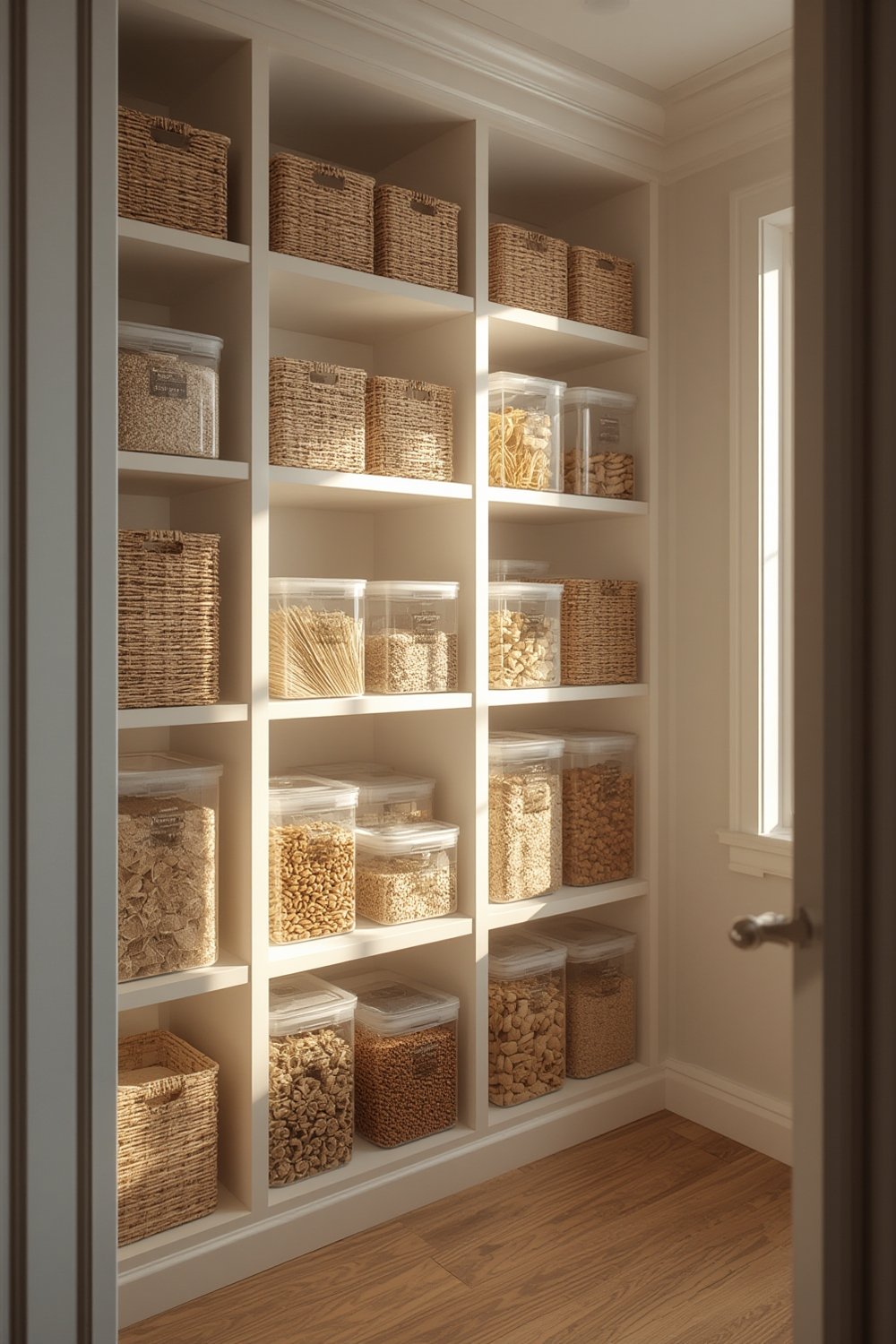
The “what” is simple: pantry storage bins corral dry goods, snacks, cans, and baking supplies into visible, stackable modules. The “why” is even more compelling—bins utilize precious vertical space, keep ingredients visible, and create zones that cut down on food waste. High-quality bins can even extend food shelf life by blocking air and moisture, resulting in less spoilage.
Plastic remains the most popular material due to its price and weight, but many households are seeing real benefits in the switch to glass or stainless steel containers for longevity, food safety, and eco-conscious living. Rapid urbanization and online shopping are driving especially fast growth in Asia Pacific at a 7.2% CAGR. The trend is clear: better bins, better kitchens, better lives.
Meanwhile, many are pairing their bins with other trending home improvements, such as cozy bedroom furniture or smart devices like a smart bird feeder, as part of a holistic approach to a more organized home.
Step-by-Step Guide: Choosing and Using Pantry Storage Bins Effectively
Ready to revamp your pantry? Here is a step-by-step approach to picking the right bins and putting them to work for maximum benefit:
- Audit your pantry: Pull out everything. Discard expired items. Group remaining groceries by category—grains, canned goods, snacks, baking, spices.
- Analyze what you need: Are you decanting cereal or flour? Or just corralling snack bars? Choose bin sizes accordingly. Tall bins suit pasta and crackers, short ones nest bulk spices or packets.
- Choose materials mindfully: If you want easy maintenance and visibility, go for BPA-free clear plastic. For a sustainable, longer-lasting upgrade, try tempered glass or stainless steel bins. Look for dishwasher safe markings and food-grade seals.
- Check stackability and seals: Select bins with truly flat lids for stability. Airtight seals are essential for flours, rice, and grains to prevent moisture and pests. Weak seals or warped lids lead to fast spoilage.
- Label and arrange: Use washable labels (or a dry-erase marker) on the front. Arrange your bins with the tallest at the back and smaller items in front for a clear view.
- Maintain regularly: When shopping, decant new purchases right away. Do a quick check monthly for spills or expired foods.
- Pair with organizers: Drawer inserts or shelf risers can boost space further. See our full drawer organizer inserts guide for inspiration.
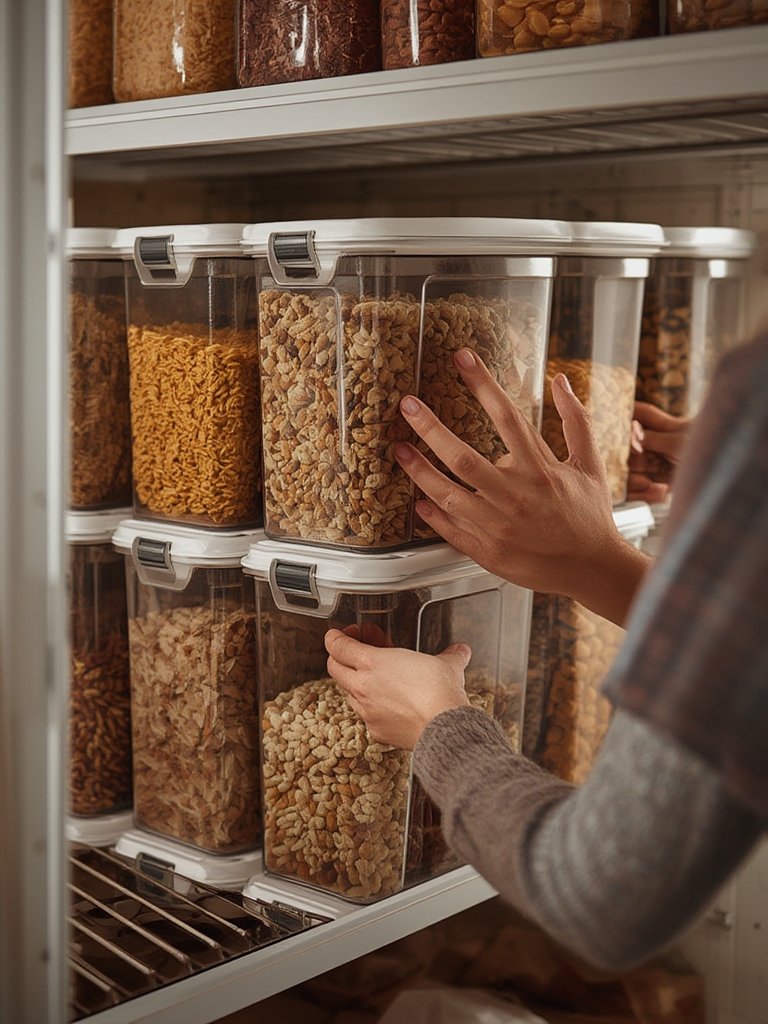
- Consider mixing clear bins for dry goods with a few solid containers for sunlight-sensitive ingredients.
- If you want to avoid unsafe chemicals, always check for BPA-free certifications. Look for dishwasher safety for easy cleaning.
- Upgrade to airtight pantry bins for flour, sugar, and other ingredients that attract pests or spoil quickly.
- Read reviews for bins with reliable latches or locks—otherwise, expect to replace them sooner than you’d like.
Remember: investing in the right bins is as much about saving money on wasted groceries as it is about a visually pleasing space.
Advanced Analysis & Common Pitfalls
Despite the surge in interest and market growth, real-world users cite frustrations that mainstream buying guides rarely address:
- Unstable stacking: Cheap bins may look stackable, but lids bend under weight or fail to interlock, triggering frustrating avalanches.
- Poor airtight seals: Many discount containers claim to be airtight but use low-grade gaskets that quickly stretch or crack, failing to keep out moisture and bugs.
- Cloudy, brittle plastic: Low-cost bins often turn cloudy in the dishwasher or develop fine cracks that trap grime and odors.
- Inconsistent sizes: Buying random bins online leads to mismatched heights and wasted vertical space.
- Hidden contaminants: Non BPA-free plastics are common in cheap sets—always check the fine print.
| Feature | High-Quality Pantry Storage Bins | Low-Quality Bins |
|---|---|---|
| Material | BPA-free plastic, tempered glass, or stainless steel | Unknown plastic blends, thin materials |
| Stackability | Flat, interlocking lids that won’t slip | Rounded, flexible lids prone to slipping |
| Airtight Seal | Durable silicone gasket, reliable latches | Loose, soft seals or no gasket at all |
| Dishwasher Safe | Marked safe; resists clouding/cracking | Warps, clouds, or breaks with heat |
| Labeling | Surface designed for labels, easy to clean | Textured or curved, labels fall off or stain |
According to Grand View Research, the kitchen storage market as a whole is also moving toward more modular, higher-quality solutions—but not all products meet the same standards.
No major recalls or serious safety incidents have recently been reported for quality bins as of 2024. Still, always check for updated certifications and avoid off-brand or unverified sellers, especially when shopping for airtight food storage online.
For a broader look at trending kitchen upgrades, see what real homeowners say in our thorough Home Depot kitchen remodel reviews.
Conclusion
Organizing your kitchen with pantry storage bins boils down to three essentials: choosing the right materials, focusing on airtight and stackable designs, and measuring your space first. High-quality bins help you save money, reduce food waste, and actually enjoy your kitchen. When in doubt, invest in reputable brands, double-check product details, and learn from other categories—like the growing popularity of sustainable outdoor furniture for eco-conscious households. For more ways to boost home organization, explore our full guides on organizer inserts and improving at-home efficiency. Start small, and let your pantry storage bins transform the way you shop, cook, and save.
Ready to reclaim your kitchen? Upgrade your pantry storage bins today for lasting results—your future self will thank you every single mealtime.
Frequently Asked Questions
What material is best for pantry storage bins—plastic, glass, or stainless steel?
BPA-free plastic bins are lightweight and cost-effective, while glass and stainless steel offer extra durability and are ideal for long-term food safety. If you want visible contents and lightweight stacking, clear plastic is usually best. For eco-friendly or heavy-duty storage, tempered glass or stainless steel are superior choices.
How do I keep pantry bins organized and prevent clutter from returning?
Label each bin clearly, group similar items together, and store the most-used foods at eye level. Periodically clean your pantry and re-audit your organization method. Matching bins are easier to stack and keep neat. For even better results, incorporate drawer inserts and shelf risers.
Are all “airtight” storage bins truly airtight?
No. Many bins have weak or cheap rubber seals that break down or never seal fully. Look for bins with quality silicone gaskets and strong latches. Check customer reviews and product photos before purchasing online.
What is the difference between a clear pantry bin and a clear food storage container?
Clear pantry bins are usually open-top or have loose lids for bulk items and quick access, while clear food storage containers typically have tighter, sometimes airtight lids for keeping out air and moisture. Each has its place—just avoid storing flour or rice in anything that isn’t truly sealed.
Can I use the dishwasher to clean pantry storage bins?
Only if the product specifically states “dishwasher safe.” Quality BPA-free plastic and tempered glass containers hold up well, but low-quality bins may warp or cloud with repeated heat exposure. Double-check manufacturer guidance before running your bins through the dishwasher.