

### Blog Post:
Renter friendly furniture is transforming small space living and apartment design for millions who want flexible, damage-free solutions—without risking a lost deposit or dealing with landlord complaints.
Key Takeaways
- Renter friendly furniture is booming, responding to demand for flexible, no-drill solutions that don’t damage walls or floors.
- Most renters choose this option for ease of installation and removal, but product choices and expectations need careful consideration.
- Not all “no-drill” or removable furniture is created equal—real-world durability and installation challenges still exist.
- What Is Renter Friendly Furniture and Why Does It Matter?
- How to Choose and Install Renter Friendly Furniture (Step-by-Step)
- Advanced Analysis & Common Pitfalls
- Conclusion
- Frequently Asked Questions
What Is Renter Friendly Furniture and Why Does It Matter?
Renter friendly furniture is designed for easy installation, minimal or zero wall/floor damage, and simple removal—without permanent fixtures, holes, or heavy modifications. It typically features no-drill assembly, removable adhesives or tension mounts, modular construction, and lightweight materials.
Demand is surging: The global furniture-on-rent market hit US$6.5 billion in 2024, fueled by students, young professionals, and mobile workers seeking flexible, short-term solutions.[1] Rapid urbanization and smaller apartments are driving needs for space optimization—a trend seen in concepts like multi functional furniture and storage beds.
Why does this matter? Traditional furniture almost always requires drilling into walls or floors, risking fines or lost deposits for renters. Apartment-friendly furniture makes it easy to create a comfortable, personalized home, even if you’re only staying for a year.
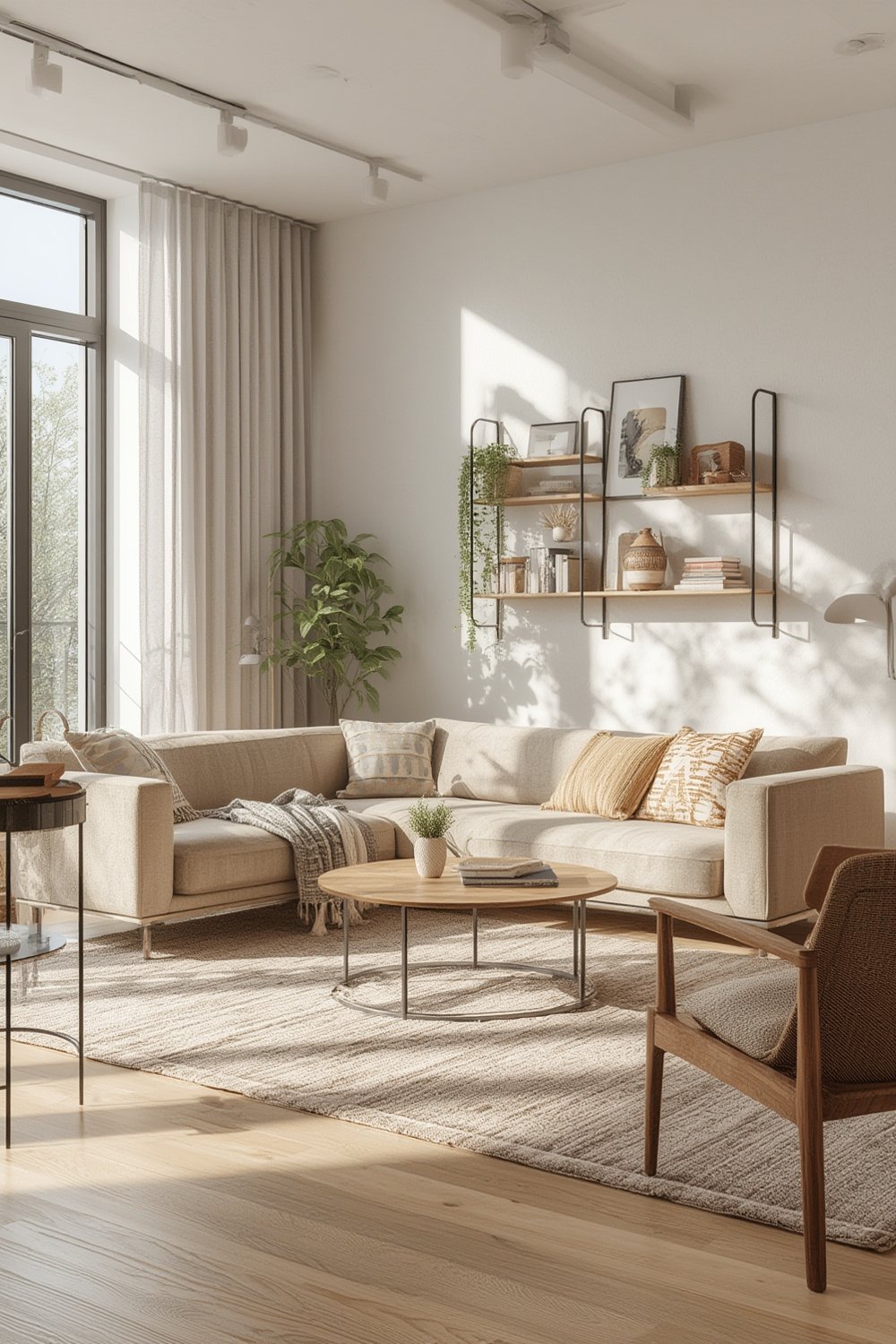
These solutions also support eco-friendly consumption by making moving, swapping, or reselling easier—cutting waste and aligning with trends seen in sustainable outdoor furniture.
How to Choose and Install Renter Friendly Furniture (Step-by-Step)
Choosing renter friendly furniture is simple if you follow a process—focusing on your budget, installation skills, space limitations, and lease restrictions. Here’s a realistic, actionable guide:
-
Identify restricted or shared spaces.
Make a list of areas where you can’t use nails, screws, or adhesives—pay special attention if you have unique trim, textured walls, or fragile surfaces. If you’re unsure about requirements, ask your landlord. -
Prioritize furniture needs.
Think essentials first: things like modular shelving, coat racks, adjustable closet storage (closet storage systems), small desks (wall mounted desks), and beds with storage or “nesting” options (nesting furniture). -
Always measure before purchasing.
Renters frequently regret buying oversized pieces that block doors or crowd traffic flow. Leave wiggle room for movement—and remember that small furniture, like small apartment furniture, often performs best in compact homes. -
Check for genuine no-drill mechanisms.
Look for tension rods, adhesive strips (like Command™), interlocking tabs, or heavy bases. Avoid any “self-adhesive” item with poor user reviews for peeling paint or residue. -
Test for stability—never overload.
Every no-drill system has a weight limit. Respect load ratings, especially with wall shelves or hanging organizers (over cabinet door organizers). -
Installation: Go slow, protect surfaces.
Clean all mounting areas first, use non-slip pads/mats, and never force anything. For shelving and organizers, level each piece before loading. -
Removal: Ease off gently, erase all traces.
Remove adhesives with care. Warm them with a hairdryer to loosen bond strength. Wipe away residue; use repaint marker only if needed.
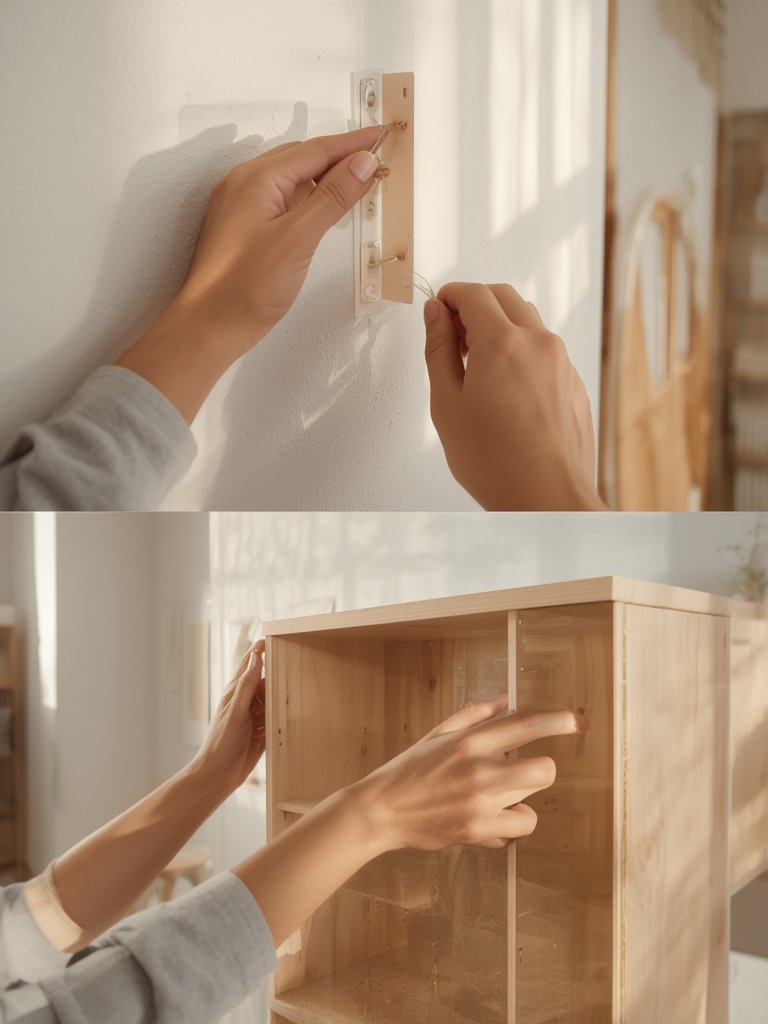
Modular and “folding” options—like folding furniture for small spaces—can double or triple the usability of a single space, and are much easier to move during relocation.
Advanced Analysis & Common Pitfalls
The demand for renter friendly furniture is at a record high, with the global rental market projected to hit US$12.8 billion by 2034.[2] However, lack of detailed data reveals a gap: users often face unexpected problems, and the market is still maturing.
Common Pitfalls and How to Avoid Them
- Adhesive residue: Not all removable adhesives are truly “damage free,” especially on textured or painted surfaces. Go slow—patch test hidden areas first.
- Weight limits: Overloading no-drill shelves or racks can cause sudden collapse or leave stretch marks. Stick to manufacturer weight capacities.
- Stability: Furniture relying solely on tension can loosen over time, especially on slick floors. Use non-slip pads and check stability monthly.
- Poor fit: Not all walls are square and not all doors shut flush. Use adjustable or modular systems whenever possible.
Feature Comparison: Traditional vs. Renter Friendly Furniture
| Feature | Traditional Furniture | Renter Friendly Furniture |
|---|---|---|
| Installation Method | Screws, nails, anchors | No-drill, adhesive strips, tension-fitted, modular |
| Damage Risk | High (holes, scratches) | Low to moderate (depends on adhesive quality) |
| Mobility | Heavy, difficult to move | Lightweight, portable, easy to disassemble |
| Average Weight Capacity | High | Moderate – always check specs |
| Material Types | Wood, metal, composite | Mainly lightweight wood, plastic, coated metals |
| Cost Range | Varies, often higher upfront | No solid data, usually cheaper or rentable monthly |
While the market emphasizes benefits like flexibility and affordability, it rarely addresses removal challenges, floor scratches, or sticky residue issues. Market reports confirm rising demand, but detailed user experience data is still lacking.
In rental bathrooms, for example, bathroom storage organizers for renters using suction cups can lose grip with humidity—so always be prepared for some adjustment and reinstallation.
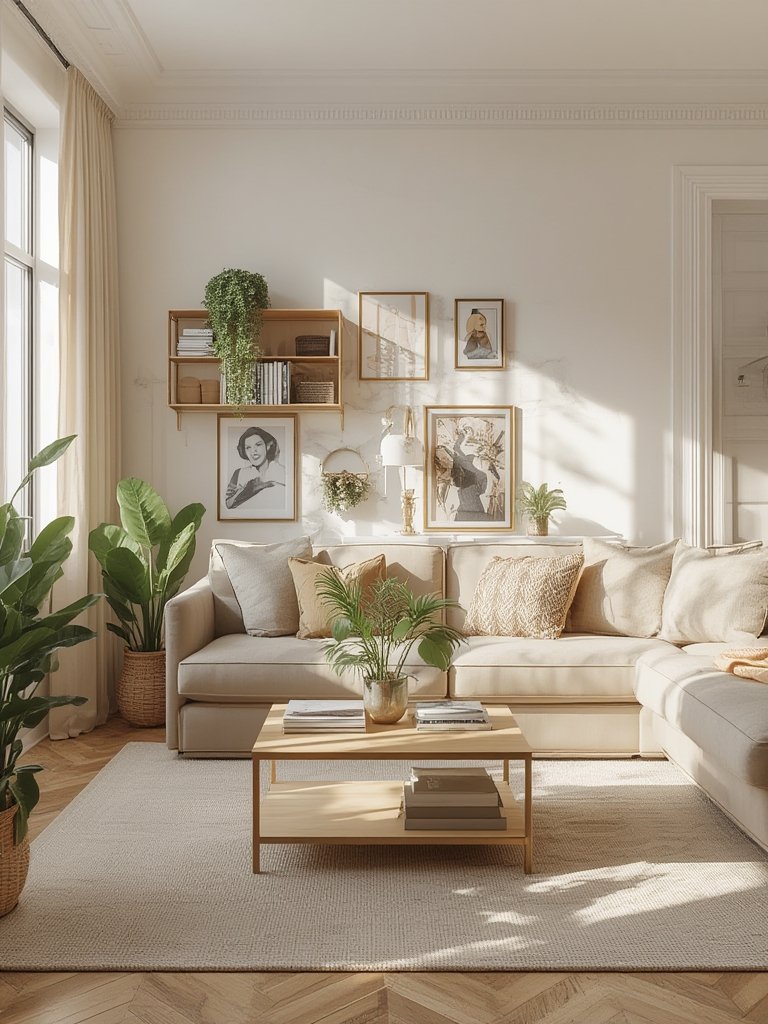
Conclusion
Renter friendly furniture is rapidly changing apartment living by delivering flexible, no-drill solutions that preserve your deposit and simplify moves. As with any trend, it’s critical to be realistic about limitations: always check product quality, weight ratings, and installation specifics. For the most flexible spaces, blend multi-functional furniture and storage beds with smart, lightweight add-ons.
Ready to upgrade your small space? Start searching for renter friendly furniture that works for your lifestyle—and document your set-up to protect your deposit!
Frequently Asked Questions
What qualifies as true renter friendly furniture?
Furniture or storage that installs without drilling, nailing, or permanently altering floors and walls. Typically includes tension rods, adhesive options, modular shelving, and lightweight portable pieces.
Can removable adhesive damage my walls or paint?
Yes, some adhesives can peel paint, especially on older or matte finishes. Test a small hidden area and always follow removal instructions. Use products with strong renter reviews for best results.
Is “no drill” furniture safe for heavy loads or electronics?
No-drill solutions often have limited weight capacity compared to traditional anchored shelving or mounts. Always review product specs, and avoid using for heavy or expensive electronics unless certified for that use.
How do I make the most of a small rental bedroom?
Combine renter friendly solutions like storage beds, wall-mounted desks, and compact organizers. Modular and nesting furniture adds flexibility without crowding your space.
What about installing renter friendly furniture in bathrooms?
Go for rust-resistant or plastic options with strong suction cups or adjustable tension mounts. Expect to check/re-seat occasionally, especially in high humidity areas. See more tips in our bathroom organizer guide for renters.