Closet storage systems have become an essential solution for homeowners aiming to declutter, maximize space, and add tailored functionality to their wardrobes and storage areas. Modular and customizable systems aren’t just a trend—they are a smart response to the ongoing challenges of modern living, from shrinking urban spaces to changing interior styles and sustainability demands.
Key Takeaways
- The demand for modular and customizable closet storage systems is surging in 2024, driven by DIY trends, sustainability, and the need for flexible, efficient spaces.
- Top closet systems rely on sustainable materials, smart features, and adaptive designs, while budget alternatives often use less durable components and lack premium features.
- Homeowners should be aware of realistic challenges, from installation limitations in tight or odd-shaped closets to a lack of detailed cost transparency in the current market.
- The Core Concept: Closet Storage Systems Explained
- Step-by-Step Guide: Choosing and Setting Up a System
- Advanced Analysis & Common Pitfalls
- Conclusion
- FAQ Section
The Core Concept: Closet Storage Systems Explained
Closet storage systems are modular or built-in components designed to optimize personal storage by using available closet dimensions efficiently. They typically include adjustable shelves, hanging rods, drawers, racks, and stackable modules. The goal is to make every inch count—especially in homes where space is at a premium. In 2024, these systems are being redefined by three main forces: the rise of do-it-yourself solutions, the push for sustainability, and the demand for flexibility as lifestyles and urban living spaces evolve.
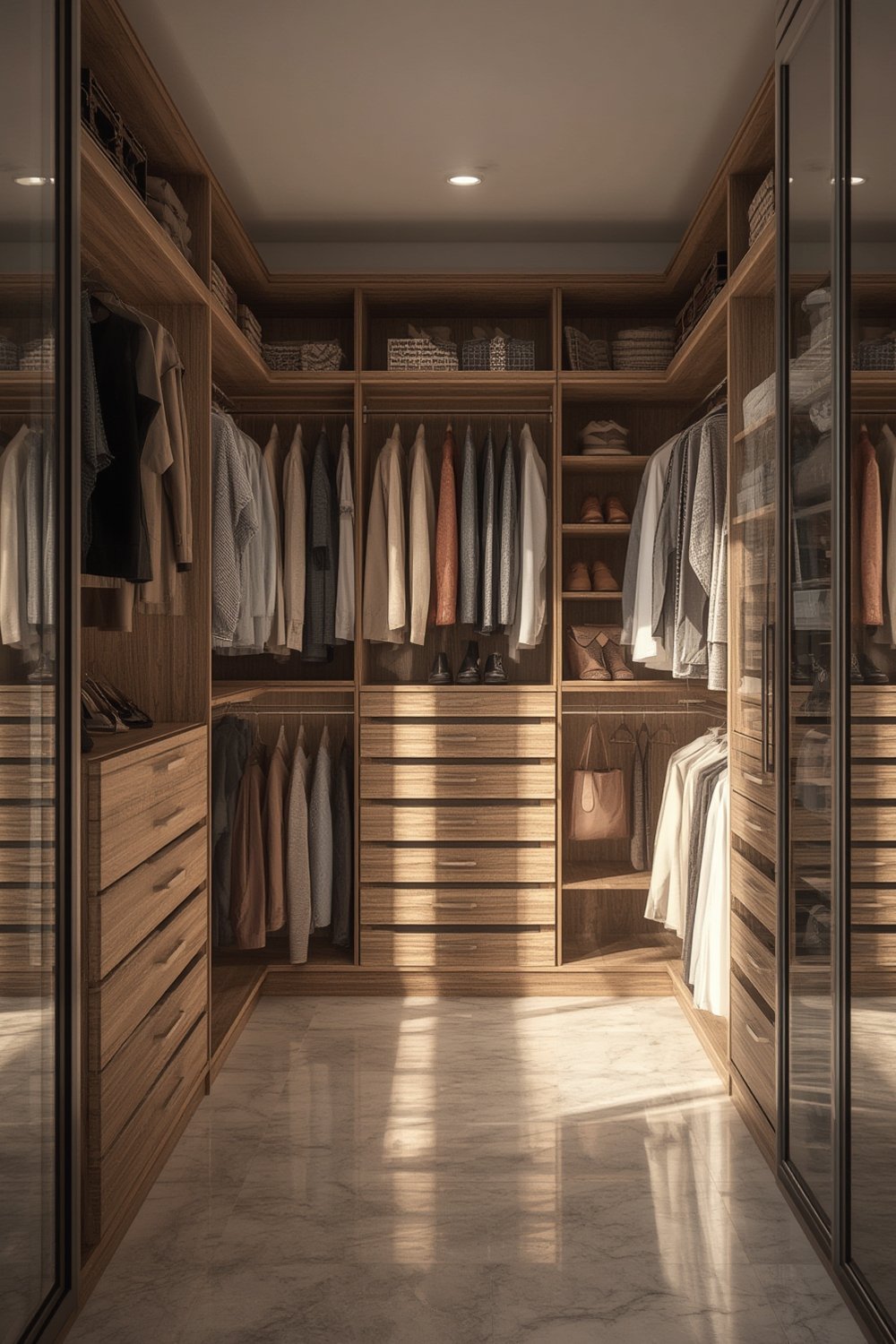
The global closet organizers market was valued at over $4 billion USD in 2024. With a projected sharp increase fueled by urbanization, home renovation projects, and an emphasis on minimalist interiors, the market sees shelving units capturing more than 64% of share due to their adaptability.
Major brands like The Container Store, with its popular Elfa system, are setting the bar for sustainability and integrated tech—think recycled materials, carbon-neutral manufacturing, and smart lighting. If you’re interested in seat-to-ceiling sustainability, check out our complete guide to sustainable outdoor furniture as well.
A closet storage system is more than just shelves—it’s an evolving toolkit for getting more organized, staying flexible, and building a life with less clutter.
Step-by-Step Guide: Choosing and Setting Up a System
Here’s a realistic, actionable process to get the most out of closet storage systems, whether you’re taking the DIY route or working with professionals:
- Assess Your Real Needs: Take inventory of what you store (clothing, shoes, accessories, rarely-used items) and measure the space—every height, width, and depth counts.
- Set Your Budget and Priorities: Are sustainability, adjustability, or aesthetics your top priorities? Factor these into both product and installation options. Note: current market data doesn’t provide a clear price range for customizable or installed systems.
For additional budgeting and DIY inspiration, see our tips on saving on home improvements. - Compare Systems: Evaluate systems by material (engineered wood and recycled aluminum last longer than MDF), adjustability, assembly methods, and premium features like soft-close shelves or LED lighting. Premium models even offer AR or digital inventory integration.
- Map Your Layout: Use online planners or AR apps (The Container Store’s Elfa is a leader here) to visualize before you drill or buy.
- Purchase and Assemble: For DIY kits, follow the instructions closely—many modular systems are now tool-free adjustability or only need a basic screwdriver. Double-check wall anchors and mounting hardware, especially in older homes. If you’re hiring, confirm installation details early.
- Use and Optimize: Adjust shelves and modules as your needs change. Incorporate bins, hooks, or pull-out features to maximize awkward corners or vertical space.
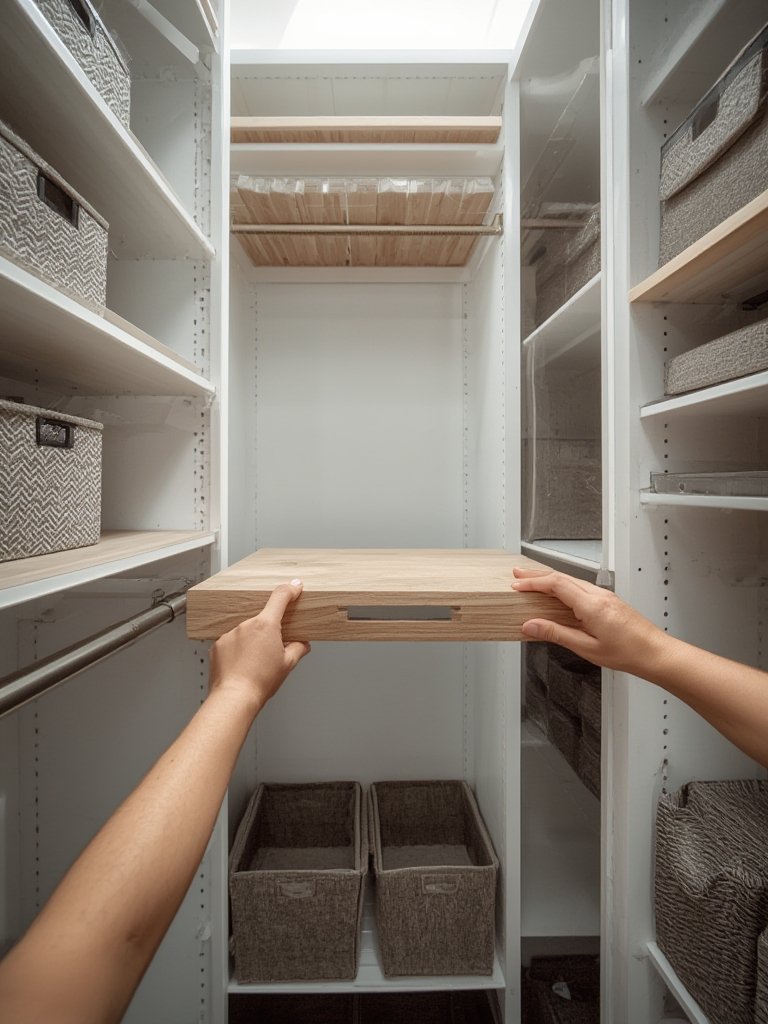
If you want more tips for organizing tricky nooks, check out our advice for maximizing storage under sinks and drawer management with modular inserts. These principles apply well to closet systems in tight spaces.
Finally, consider sustainability and supply chain practices while shopping. Many top systems feature low-VOC finishes and recycled materials—good for your home and the planet.
Advanced Analysis & Common Pitfalls
While closet storage systems offer measurable advantages, choosing the wrong system—or installing it poorly—can waste time, money, and storage space. Here’s what to look out for:
- Unclear Cost Structure: There’s a lack of transparent pricing for customizable vs DIY systems in 2024. Expect to spend more for premium materials and installation, but always request detailed quotes. DIY kits are cheaper, but may cut corners in durability.
- Installation in Awkward Spaces: Modular systems are adaptable, but small, shallow, or irregular closets can be tricky. Measure multiple times, and choose stackable modules designed for compact layouts.
- Material Quality: Budget MDF shelves often sag or chip over time. Favor engineered wood, bamboo, or recycled aluminum for durability and eco-friendliness.
- Lack of Premium Features: Smart features (like sensor lighting and AR visualization) are becoming standard among premium brands, but you’ll pay extra. Lower-tier systems won’t include these.
- Sustainability Differences: Not all “eco-friendly” labels are equal—look for companies using verified carbon-neutral practices or recycled content.
- Changing Needs: Fixed or low-rail shelving may limit long-term versatility. Invest in systems that let you reconfigure modules as your wardrobe evolves.
To help you compare, here’s a quick breakdown of top systems versus budget alternatives:
| Feature | Premium Modular Systems | Budget Alternatives |
| Materials | Recycled aluminum, engineered wood, bamboo | MDF, particleboard, basic metals |
| Durability | High (resists sagging, warping) | Lower (prone to chipping or warping) |
| Sustainability | Carbon-neutral supply, low VOCs | Typically none |
| Smart Features | LED, sensor lighting, AR, AI inventory | None or minimal |
| Customization | Fully modular, tool-free install | Limited adjustability, fixed sizes |
| Installation | Tool-free, stackable, AR planning | May require tools; less reusable |
If maximizing every square inch is your goal, consider modular systems with adjustable bins and pull-out drawers, which optimize hard-to-use corners and vertical space—common in smaller, urban apartments. On the other hand, if you’re organizing your kitchen or pantry, a guide to pantry storage bins might offer complementary strategies.
Conclusion
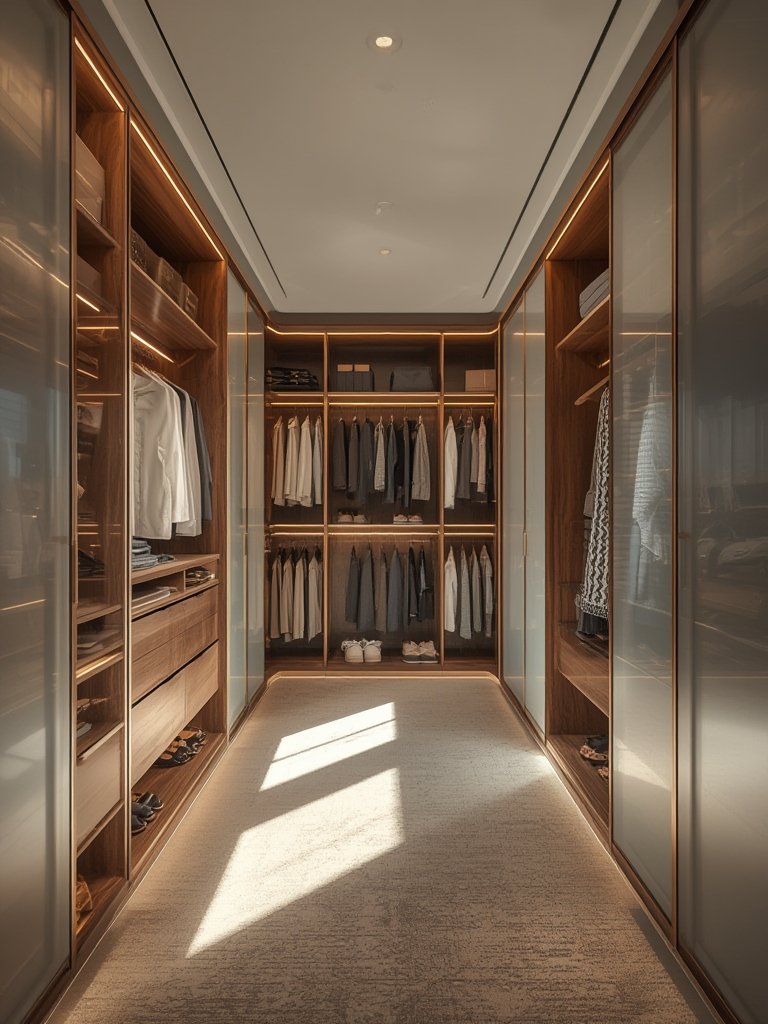
Effective closet storage systems can transform how you live, save time, and introduce calm into your daily routine. Materials, sustainability, and modularity are the differentiators for 2024. When selecting your own closet storage systems, balance budget, space, and features against your future needs, and don’t be afraid to evolve your system as your lifestyle changes.
Ready to reclaim space in your closet? Start by mapping your needs, comparing brands, and planning your ideal layout. Looking for more inspiration? Discover how plush bedroom features, like a boucle fabric bed, and the right storage solutions can create the ultimate cozy retreat.
FAQ Section
What are modular closet storage systems?
Modular closet storage systems use interchangeable components—shelves, rods, drawers, and racks—that can be reconfigured or stacked to fit most closet spaces and storage needs. They are popular for flexibility and easy upgrading.
How do I choose between budget and premium closet organizers?
Premium organizers use sustainable, durable materials and often have features like tool-free adjustments, smart lighting, or AR visualization. Budget versions rely on cheaper materials and may wear out faster.
Are closet storage systems difficult to install in small closets?
Some systems are designed for easy, tool-free installation, but awkward spaces or small closets may require careful measurement and creative module placement. Adjustable, compact modules work best for tight areas.
Do modular closet systems really save space?
Modular systems are excellent for maximizing usable closet space, especially when equipped with adjustable shelves, bins, and pull-out drawers. Exact space gains vary, but the qualitative difference is noticeable in daily use.
Can I upgrade my closet over time?
Yes, top modular systems are designed for ongoing reconfiguration. You can add or remove components, adjust shelf heights, or replace modules as your wardrobe or storage needs change.