
Cordless garden tools are revolutionizing how we care for our outdoor spaces—delivering flexible power, quieter operation, and a cleaner alternative to gas. But not every tool is created equal, and making the shift to cordless means new decisions, tactics, and challenges. This post dives concrete, actionable advice so you buy wisely, avoid costly mistakes, and truly enjoy your tools season after season.
Key Takeaways
- Cordless garden tools offer greater portability and eco-friendliness, but battery life and tool quality vary widely.
- Choosing the right tool and proper battery maintenance are key to long-term satisfaction.
- Common complaints include short run-time and poor customer support; research and realistic expectations are essential.
- What Are Cordless Garden Tools and Why Are They Popular?
- Step-by-Step Guide: Choosing, Using, and Maintaining Cordless Garden Tools
- Advanced Analysis & Common Pitfalls
- Conclusion
- FAQ
What Are Cordless Garden Tools and Why Are They Popular?
Cordless garden tools are battery-powered devices—like lawnmowers, trimmers, hedge clippers, and leaf blowers—designed to make outdoor work easier and less restrictive. Without the hassle of power cords or the fumes of gas, these tools let you move freely and get the job done with less noise, less mess, and fewer emissions. Advancements in lithium-ion technology have dramatically improved battery life, run-time, and power output. The global demand is growing: over 65% of new garden tool sales are now battery-operated for their ease of use and reduced carbon footprint. Market forecasts predict this trend will continue, with homeowners and pros alike making the switch.
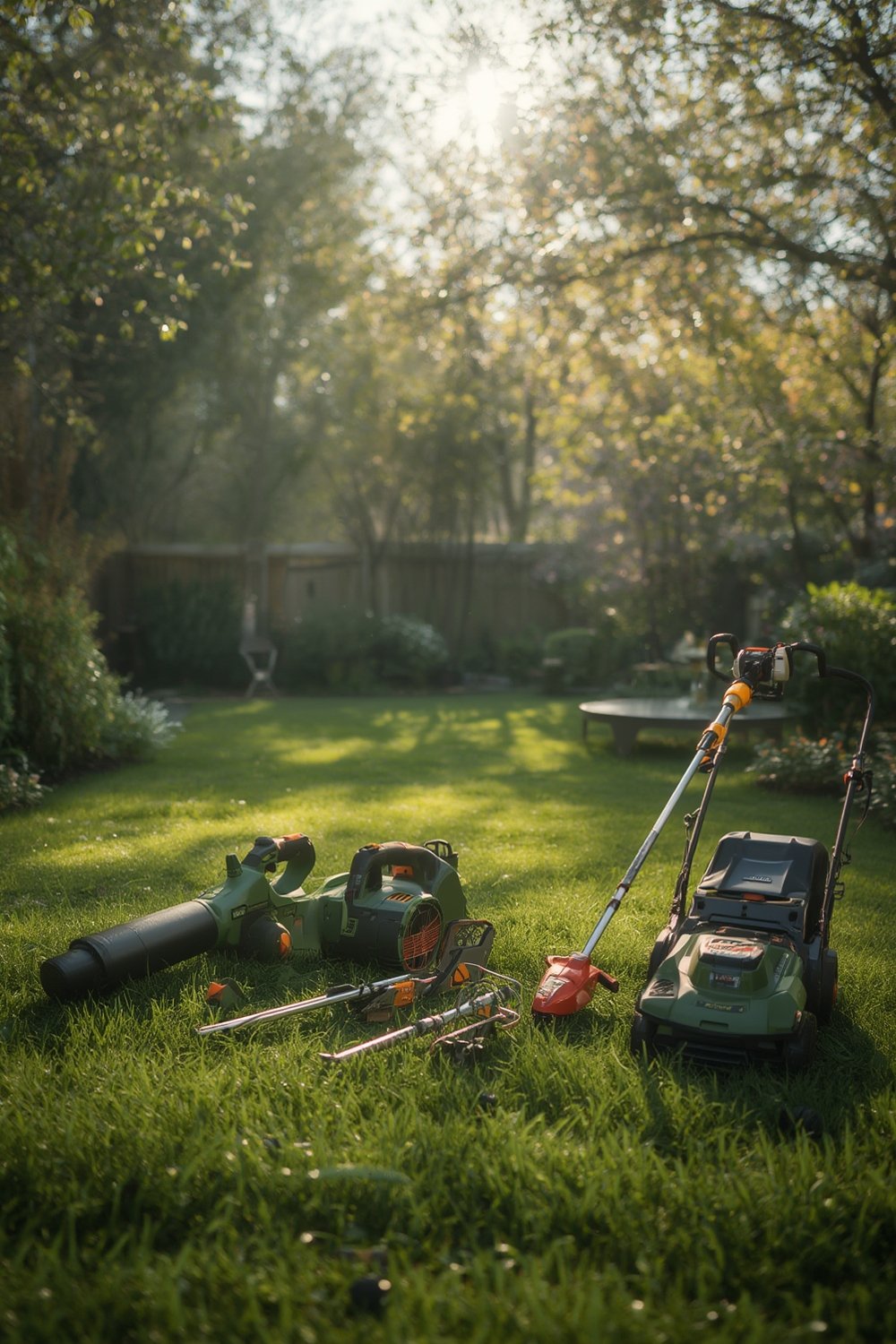
Other perks? These tools are generally lighter, simpler to maintain, and much quieter than legacy gas alternatives. Maintenance is minimal: no spark plugs, oil changes, or fuel storage. That frees up more time for gardening—and less for dealing with repairs.
Want to see how eco-design impacts the rest of your outdoor setup? Check out our guide to sustainable outdoor furniture for practical, earth-friendly ideas that pair perfectly with cordless equipment.
Step-by-Step Guide: Choosing, Using, and Maintaining Cordless Garden Tools
Ready to go cordless but unsure how to sort the hype from the essentials? Follow these real-world steps to choose, use, and care for your equipment:
- List Your Needs: Identify the jobs you want to tackle (mowing, edging, blowing, trimming, etc.). This shapes which tool is best for you.
- Match Tool Specs to Yard Size: Choose tools rated for your typical workload. For example, a compact trimmer is ideal for small, urban yards. Large lawns may require higher voltage batteries and wider mowing decks.
- Compare Battery Systems: Lithium-ion is now standard, but check amp hour (Ah) ratings. More Ah = longer run-time. Many brands let you share batteries between tools for efficiency and value.
- Test Weight & Ergonomics: Visit a store to get a hands-on feel for tool balance, handle design, and switch placement. It can make a difference in comfort—especially if you have limited hand strength.
- Monitor Noise Levels: Cordless tools are quieter than gas, but some (especially blowers) are still loud. If you want to keep peace in the neighborhood, look for quiet-rated models.
- Check Warranties and Support: Not all brands are equal. Look for a minimum 2-year warranty on both tool and battery. Assess customer service reviews before buying. Check out user reviews on tool quality as some so-called “trusted” brands can disappoint.
- Optimize Charging: Optimize Charging: Store batteries indoors and charge after use—but never leave batteries plugged in for days. This extends battery life and supports safer operation.
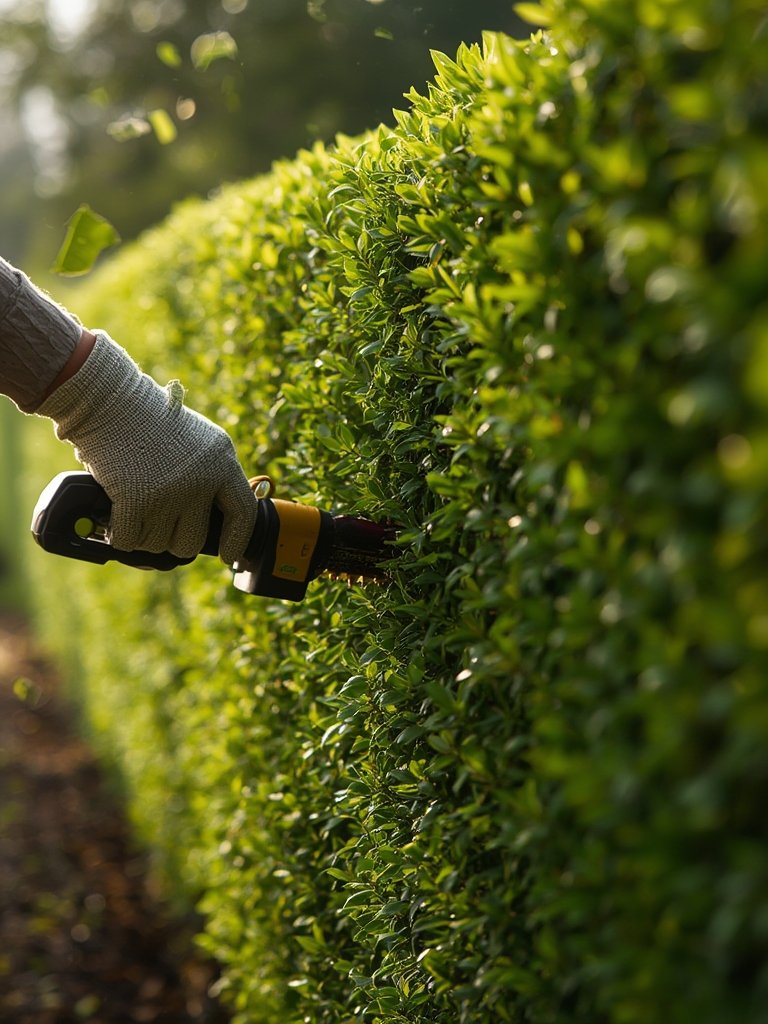
- Regular Cleaning & Storage: After every use, brush off debris and let the tool cool before stowing. Never leave battery tools in the rain or high heat. Regular Cleaning & Storage
Want to organize your garage or keep tools accessible year-round? Try these garage storage rack tips to maximize your space.
If your outdoor hobbies extend to backyard birdwatching, a smart bird feeder is a terrific, trending addition alongside your cordless routine.
Advanced Analysis & Common Pitfalls
Cordless garden tools are convenient, but there are real issues to be aware of before investing:
- Short Battery Life: Lower-end models can run for only 15–20 minutes on one charge, which is often not enough for bigger yards.
- Battery Replacement Cost: New batteries can be pricey—sometimes up to 50% of the tool cost—which might make replacement less appealing if you’re budget conscious.
- Underpowered Performance: Some tools, especially hedge trimmers and lawnmowers, may struggle with thick or wet grass and tough debris. Recent reports indicate improvements, but not all tools perform equally.
- Poor Quality or Faulty Components: Even trusted brands are not immune. Users report issues like blades falling out, switches breaking, and hard-to-find replacement parts. Read real-world reviews before buying.
- Inadequate Customer Service: Several major brands have weak support for repairs or warranty claims (source), so scrutinize return policies and service networks.
See how smart home upgrades can intersect with yard work by exploring our guides on pet automatic feeders—great for busy lifestyles balancing garden care and pet ownership.
| Feature | Cordless Garden Tool | Gas Garden Tool |
|---|---|---|
| Emissions | Zero, eco-friendly | Gasoline exhaust, higher pollution |
| Noise Level | Low/Moderate | High |
| Maintenance | Minimal (cleaning, battery care) | Regular tune-ups, oil, spark plugs |
| Power Output | Great for small/medium tasks; some struggle with heavy jobs | Best for heavy-duty use/larger properties |
| Portability | Very portable | Bulky, heavier |

Need more efficient indoor and outdoor organization? Explore pantry storage bins to keep all your supplies sorted, or garage storage racks for your tools, batteries, and accessories.
Conclusion
Cordless garden tools are a modern solution for eco-conscious, convenience-first homeowners and professionals. They cut the cord—literally—delivering mobility, quieter operation, and less mess. Still, success comes with practical research and care: choose equipment to fit your needs, invest in batteries wisely, and don’t underestimate support and warranty quality. For anyone considering the jump, now is an excellent time to reap the benefits of cordless garden tools in your landscaping routine. Ready to make your outdoor chores easier and greener? Compare your options and start your upgrade today.
FAQ
How long do most cordless garden tool batteries last per charge?
Battery run-time varies from 15 minutes on inexpensive models up to 60 minutes or more on premium units. Check the amp-hour (Ah) rating for a more precise idea, and always keep a spare charged for larger projects.
Are cordless garden tools as powerful as gas?
For most household tasks—lawn mowing, trimming, leaf blowing—cordless tools are now comparable in power. However, gas tools are usually better for dense brushes, thick lawns, or heavy commercial work.
How do I prolong the life of a garden tool battery?
Store batteries indoors out of direct sunlight, charge them fully before use, and unplug the charger once fully charged. Avoid leaving them in the tool for weeks without use.
Can I use the same battery for multiple cordless garden tools?
Many brands now offer battery sharing across their range of products. Always check compatibility—buying into a battery “ecosystem” can save you money long term.
What maintenance is required for cordless garden tools?
Routine cleaning after each use, checking for debris near moving parts, and battery care (charging and safe storage) keep your tools running reliably. No oil or gas required.