

### Blog Post:
Drawer divider systems have become a critical upgrade for anyone serious about eliminating clutter and boosting storage efficiency at home or work. Whether you’re aiming for a minimalist kitchen, a tidy office, or easy access to cutlery, knowing how these dividers work—and their real-world strengths and weaknesses—makes all the difference.
Key Takeaways
- The global drawer divider systems market is rapidly growing due to demand for organization, modularity, and sustainable materials.
- Choosing the right system depends on drawer size, adjustability, and your unique organizational needs.
- Common frustrations include compatibility, installation, and durability concerns—know before you buy.
- What Are Drawer Divider Systems and Why Use Them?
- Step-by-Step Guide: How to Choose and Install the Right Drawer Divider System
- Advanced Analysis & Common Pitfalls
- Conclusion
- FAQ
What Are Drawer Divider Systems and Why Use Them?
Drawer divider systems are customizable inserts designed to turn empty drawers into organized spaces. They range from simple, adjustable plastic panels to modular grids and expandable organizers crafted from sustainable bamboo or wood dividers. The “why” is straightforward—these systems help you see what’s inside, prevent clutter, and maximize even the oddest shaped drawers, catering to everyone from busy families to home chefs.
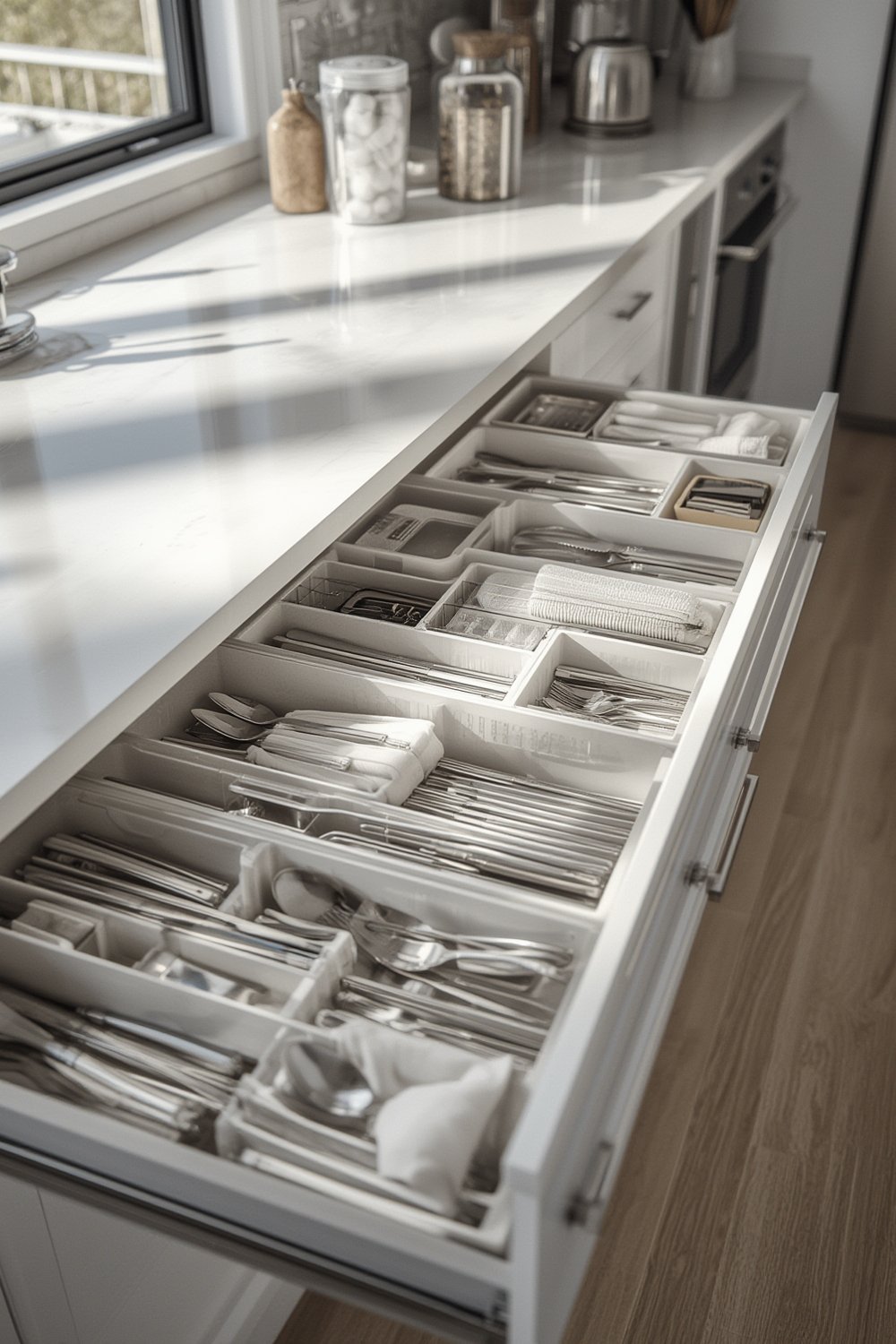
The global appetite for organization has driven this market over USD 2.41 billion in 2024, with strong growth expected as more people prioritize tidy, functional living. Modern systems offer tool-free installation, eco-friendly materials, and fine-tuned adjustability, allowing for versatile use in kitchens, offices, or garages. Many also feature anti-slip bases and modular/interlocking grids for complete customization.
Still, it’s important to recognize potential challenges—compatibility with drawer sizes, ease of installation, and long-term durability all vary widely. You’ll want to select the system that fits both your drawer and your way of life.
Step-by-Step Guide: How to Choose and Install the Right Drawer Divider System
Getting the most from drawer divider systems means planning, measuring, and choosing the right features for your needs. Here’s how:
- Assess Your Drawers: Remove all contents and measure the internal width, depth, and height of each drawer. Note drawers that are irregular or have rounded edges.
- Decide on Material: Opt for bamboo or wood dividers if you want a sustainable, stylish look; go with plastic for budget-friendly, wipe-clean options. Plastic remains the most common, comprising over 45% of the organizer market.
- Choose the Type:
- Adjustable Dividers: Best for drawers destined to change contents or layouts often.
- Modular/Interlocking Grids: Ideal when you need total customization (like organizing multiple utensil sizes or tech accessories).
- Expandable Inserts: Perfect for maximizing space, especially in wide or deep drawers.
- Check for Tool-Free Assembly: Most high-quality dividers now offer snap-together or slide-in installation. Avoid options that require cutting or hardware whenever possible.
Related: If you prefer solutions for bathroom or under-sink organization, see under sink organizers guide. - Install & Adjust: Place the dividers, making sure they snugly fit. If they slide, look for systems with anti-slip bases or add non-slip pads underneath.
- Test and Fine-Tune: Fill the compartments with your intended items, adjust as needed, and see if the layout supports daily use.
You may want to explore drawer organizer inserts for deeper customization ideas.
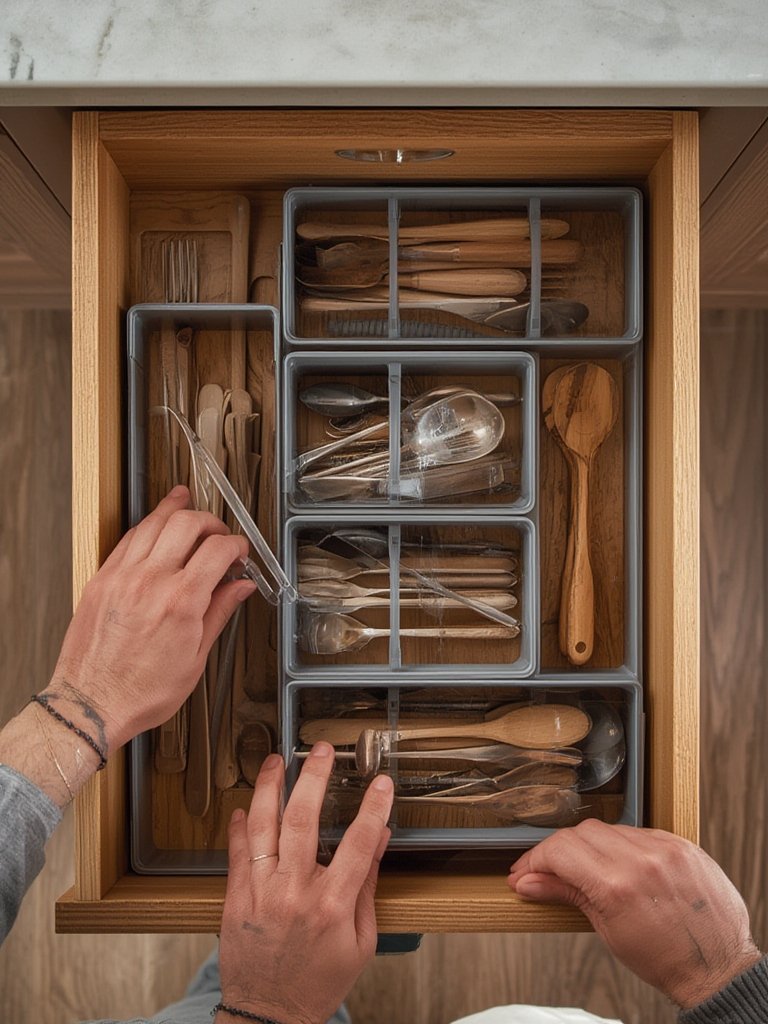
Don’t forget to consider warranty and return policies—especially for expandable or modular units. If your needs change, the ability to disassemble and reuse dividers is invaluable.
Want more space-saving strategies? Try pairing drawer dividers with cabinet shelf risers or pull out cabinet organizers for a holistic approach to kitchen or office storage.
Advanced Analysis & Common Pitfalls
The drawer divider systems market is booming, but not all products deliver the same user experience. Here are the most common pitfalls:
- Poor Fit: Even adjustable models sometimes don’t fit perfectly, especially in very deep or shallow drawers.
- Durability Issues: Cheaper plastic or bamboo dividers may warp, crack, or lose tension over time, especially with heavy contents.
- Complex Installation: Some modular systems promise tool-free assembly but can be fiddly or confusing.
- Lack of True Customization: Not all “modular” systems offer real flexibility; always check product photos and reviews.
- Limited Size Adaptability: Many universal dividers topple or slide around in oversized drawers without anti-slip features.
| System Type | Best For | Ease of Adjustment | Stability | Customizability | Common Problems |
|---|---|---|---|---|---|
| Adjustable | Changing needs, basic cutlery | Good | Moderate | Limited | Fit, movement |
| Modular/Interlocking Grids | Full customization, unusual items | Excellent | High (if built well) | Very High | Complex setup, price |
| Expandable Inserts | Maximizing large/wide drawers | Good | High (if tension/fit is solid) | Moderate | May slide, limited flexibility |
There is no universal “best” option. What works well in one drawer might not fit another—especially with older cabinetry. If you plan to address bathroom or closet organization as well, consider combining drawer dividers with solutions from our bathroom storage organizers guide or closet storage systems guide.
For current innovations, most brands emphasize improvements in modularity and eco-friendly materials, but there are no notable patents or landmark technologies filed in the past two years. Always review detailed product sheets before purchasing.
Conclusion
Drawer divider systems are a cost-effective way to organize any drawer, but success depends on honest evaluation of your needs, the type of system, and realistic expectations about performance. As the market continues to expand, advancements in modularity and sustainability are making it easier for everyone to personalize storage. If you want a sharper edge with kitchen or office organization, explore specialized guides for drawer organizer inserts and pull out cabinet organizers. Start your path to a tidy space by measuring, comparing, and experimenting—the right drawer divider systems can change your daily routine.
Ready for a cleaner, more organized home? Measure your drawers and upgrade to the divider system that fits your lifestyle.
FAQ
What is the best material for drawer divider systems?
Plastic is the most widely used due to its low cost and wipe-clean surface, but bamboo and wood offer greater sustainability and a premium appearance. Choose materials based on your budget, aesthetics, and whether you’ll store heavy or delicate items.
Can I use drawer divider systems for things other than cutlery?
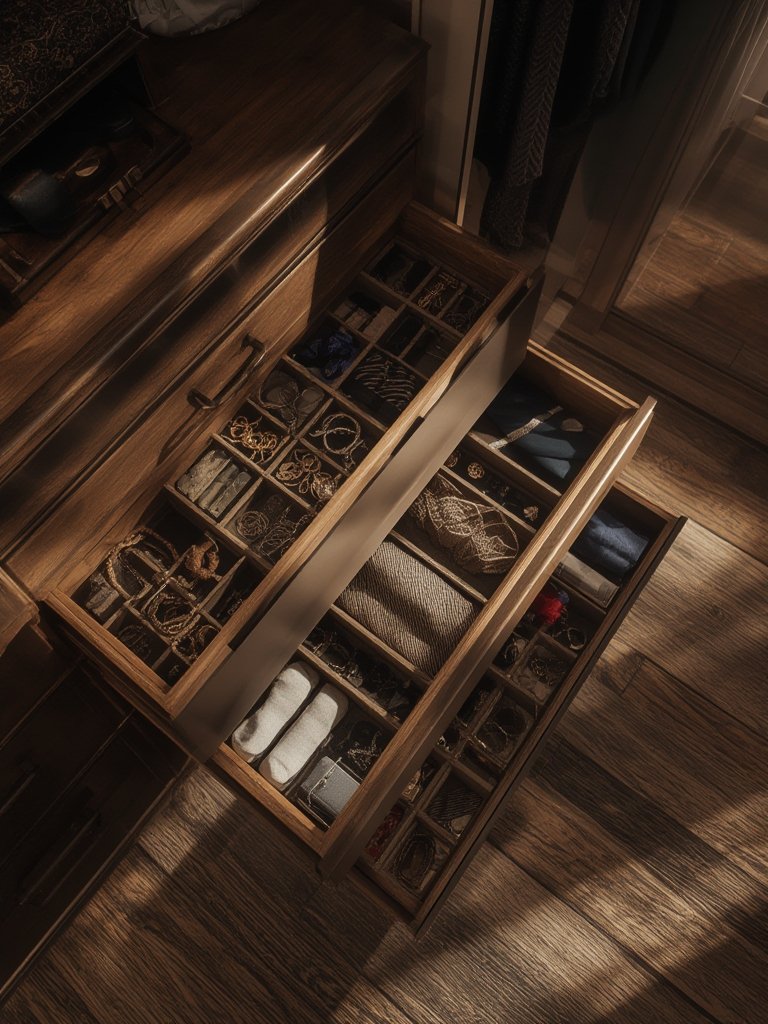
Yes—modular and expandable dividers can be used for organizing bathroom supplies, office stationery, craft items, or even clothing accessories. Some systems are specifically designed for these uses. For more ideas, see drawer organizer inserts.
How do I choose between expandable and modular divider systems?
Expandable inserts are ideal for maximizing the space in wide drawers, while modular/interlocking systems provide more precise customization for irregular or complex layouts. The right choice depends on your drawer size, shape, and items to store.
Are there any new innovations or smart features in drawer divider systems?
Recent trends include tool-free assembly, anti-slip bases, and sustainable materials, but no standout patents or game-changing technologies have hit the market since 2022. Some brands offer expandable or grid-based systems for increased flexibility.
What should I do if my dividers don’t fit or slide around?
Look for systems with built-in anti-slip pads, or add your own. If dividers are unstable because of size mismatch, consider switching to a true modular or expandable style for a snug fit.
—