
### Blog Post:
Eco friendly outdoor furniture is reshaping how we design patios, decks, and gardens by offering stylish options that minimize environmental harm. If you’re looking for ways to create a sustainable outdoor space without sacrificing comfort or aesthetics, you’re in the right place.
Key Takeaways
- Eco friendly outdoor furniture relies on recycled plastics (like HDPE), renewable, and responsible materials like recycled plastic and bamboo for sustainability and durability.
- Certification labels (FSC, GREENGUARD) and transparent sourcing are vital for avoiding greenwashing and making ethical choices.
- Challenges include higher upfront costs, longevity concerns, and careful product vetting—but long-term value and positive impact often outweigh the downsides.
The Core Concept
Choosing eco friendly outdoor furniture is more than just picking a “green” label—it’s about understanding the full life cycle of the products you bring into your outdoor space. This means evaluating materials, manufacturing processes, and the brand’s sourcing transparency.
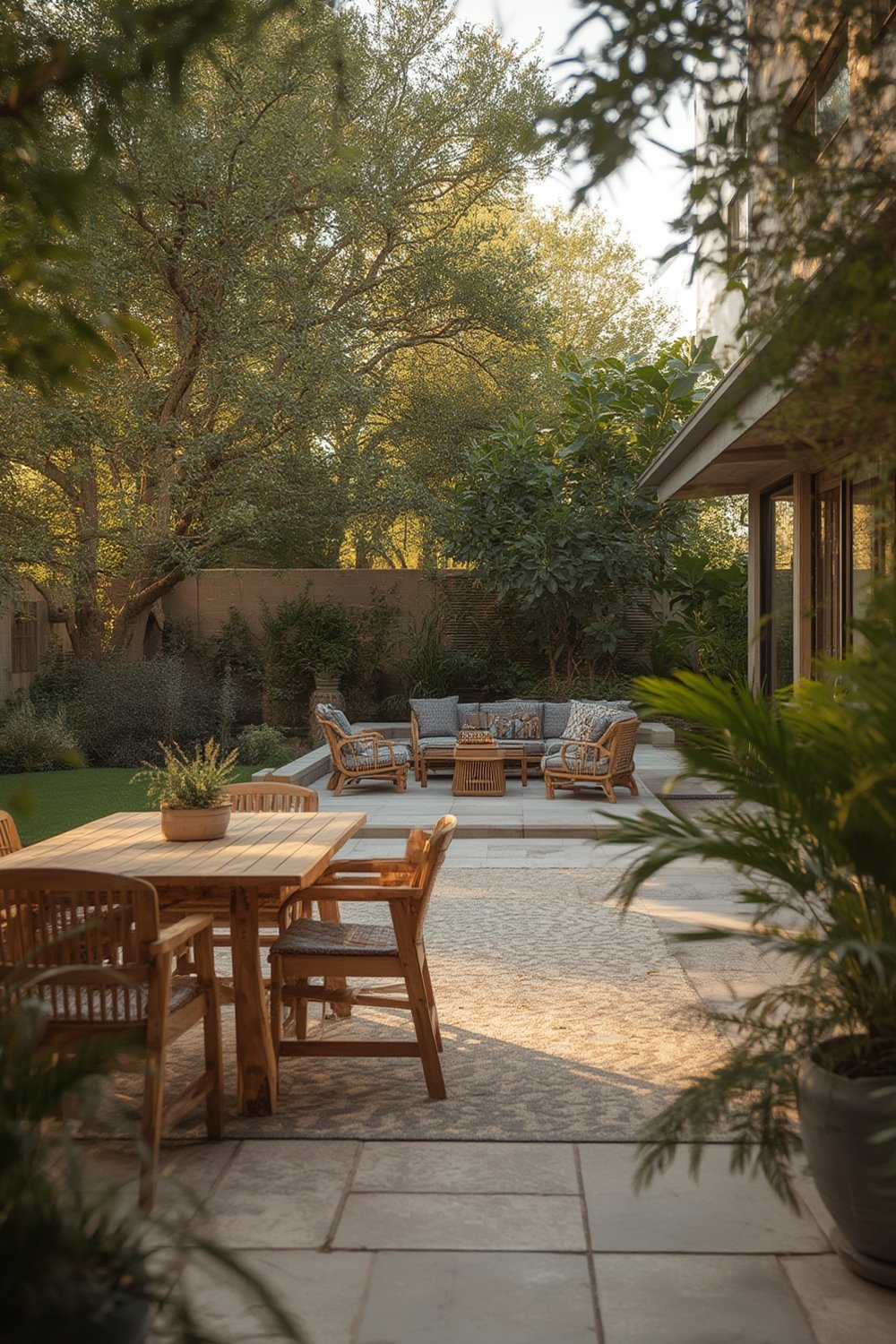
Sustainable outdoor furniture options typically include recycled plastics (like HDPE), rapidly renewable materials such as bamboo, upcycled timbers, and FSC-certified woods. Notably, recycled plastics are weather resistant, durable for years, and 100% recyclable after their lifespan. Bamboo furniture is biodegradable and grows back quickly, reducing the carbon footprint significantly.
According to Grand View Research, the global eco friendly furniture market is expected to more than double in value by 2033. Market data also shows a growing consumer shift toward options that balance environmental responsibility with style and comfort (Future Market Insights).
But it’s not enough just to pick materials labeled “eco friendly.” You need to watch for certifications and brand transparency. For example, FSC (Forest Stewardship Council) certification ensures wood is responsibly sourced, and GREENGUARD verifies products for low VOC emissions—both crucial when “greenwashing” is common (The Good Trade).
If you want to make your patio truly sustainable and long-lasting, integrating eco friendly outdoor furniture is one of the most effective and realistic steps you can take. Check out this in-depth guide to sustainable outdoor furniture for more specific options and buying tips.
Step-by-Step Guide
Ready to upgrade your outdoor area with furniture that truly makes a difference? Here’s a step-by-step breakdown:
1. Assess Your Space and Needs
Start by outlining how you intend to use your outdoor area. Is it for dining, lounging, or both? Measure your space and decide what types of eco friendly outdoor furniture (chairs, benches, modular seating) fit best. If you have limited square footage, check out ideas from our small patio furniture tips.
2. Research Materials
Choose materials that match your local climate and durability needs. If you live in a rainy region, recycled plastic or treated FSC-certified woods excel at resisting weather. For a natural, lightweight, and biodegradable option, bamboo is gaining popularity (eco friendly small space furniture).
3. Prioritize Certifications and Sourcing
Always look for outdoor furniture with verifiable sustainability credentials. Top certifications include FSC (for wood), Cradle to Cradle, and GREENGUARD. Double-check whether the entire furniture item is certified—not just a single component.
4. Evaluate Construction and Longevity
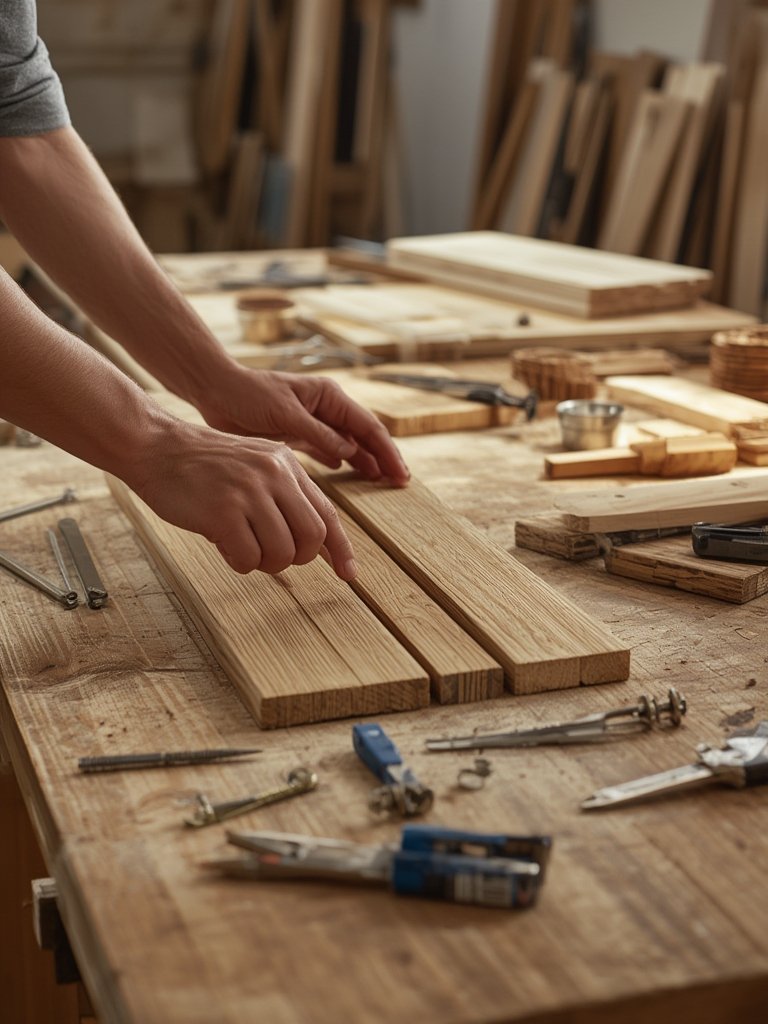
Inspect joinery, fasteners, and finishes. Solid construction means longer life, fewer replacements, and less waste over time. Modular options, like those discussed in our modular outdoor furniture guide, can be great investments for flexibility and upgradability.
5. Check for Protective Features
Even eco friendly materials need protection from UV and rain. Consider protective features and regular cleaning. For suggestions, review our guide on outdoor furniture covers.
6. Avoid Greenwashing
Read reviews and research brands online. Transparency is everything. Use resources like The Good Trade’s sustainable furniture brands report to confirm legitimacy.
Advanced Analysis & Common Pitfalls
While eco friendly outdoor furniture is gaining momentum, several real-world issues can trip up buyers and designers. Here’s an honest look at common pitfalls—and how to avoid them.
| Pitfall | What You Need to Know | How to Avoid |
|---|---|---|
| Greenwashing | Companies may exaggerate how “sustainable” their products actually are. | Look for third-party certifications, and check independent reviews—see brand lists here. |
| Higher Upfront Costs | Eco friendly outdoor furniture often costs more at purchase. | Balance cost with projected lifespan—durable materials like recycled HDPE can last 15+ years, often reducing lifetime cost. |
| Limited Local Choices | Sustainable options may be harder to find in some regions. | Consider buying online or searching for reclaimed pieces in your area. See eco-friendly small space furniture resources. |
| Durability Concerns (Plant-Based Materials) | Untreated bamboo and rattan may not withstand extreme climates. | Choose pieces with protective coatings or consider recycled plastic options for exposed locations. |
| Complex Care Requirements | Some eco materials require special cleaners or regular oiling. | Follow manufacturer instructions carefully, and use covers to cut down on maintenance. See our guide to modular furniture maintenance. |
Remember: not every item labeled “eco friendly” is automatically sustainable across its entire life cycle. Paying attention to certifications, materials, and local climate appropriateness is the best way to maximize your investment for both the planet and your pocket.
Conclusion
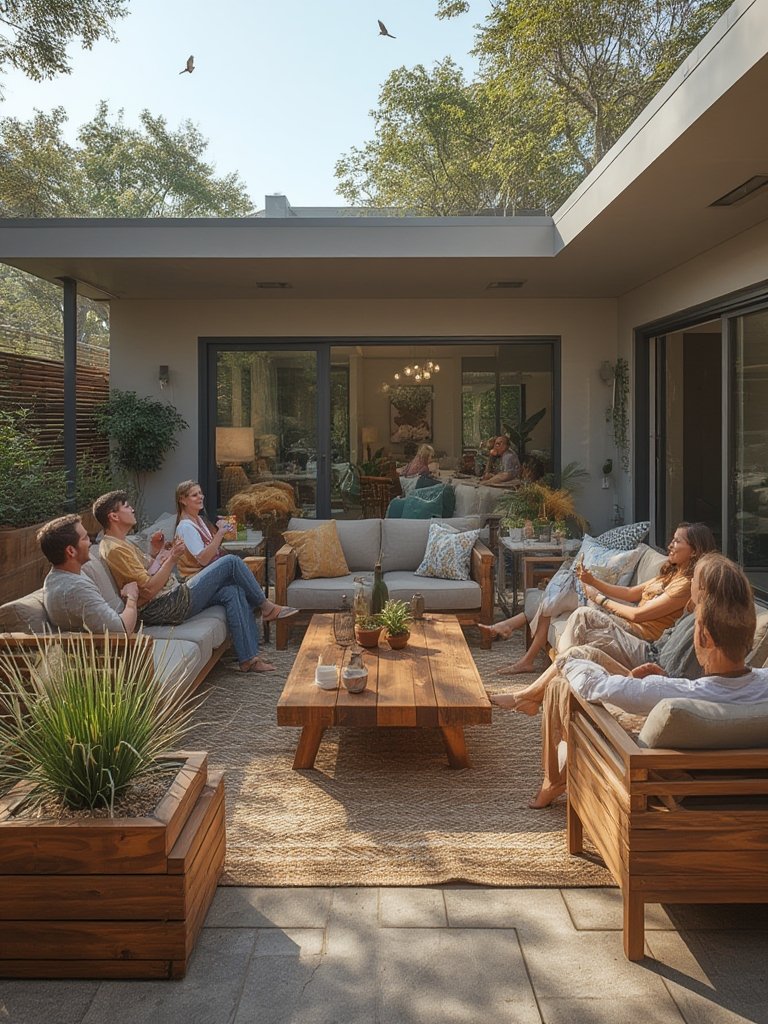
Eco friendly outdoor furniture gives you the tools to design beautiful, resilient spaces that reflect your values and protect the planet. From choosing recycled HDPE and certified woods to savvy season-end shopping and proper long-term care, you can realistically build an outdoor setup that lasts for years, saves money, and helps reduce waste.
Now is the perfect time to start—or upgrade—your journey with eco friendly outdoor furniture. Want even more sustainable living ideas? Explore our eco friendly kitchen storage solutions and see how small changes can make a big impact across your home.
FAQ Section
What materials are best for eco friendly outdoor furniture?
Popular options include recycled plastics (HDPE), FSC-certified woods, bamboo, and upcycled metals. These materials balance durability, environmental responsibility, and style.
Is recycled plastic furniture really sustainable?
Yes—recycled plastic furniture is made from post-consumer materials, is fully recyclable at end of life, and is extremely weather resistant. Choosing it reduces landfill waste and supports circular economies (see source).
How can I avoid greenwashing when buying patio furniture?
Look for third-party certifications like FSC, GREENGUARD, or Cradle to Cradle. Research brand sourcing and avoid vague marketing terms. Independent reviews and sustainability roundups are helpful (like this list).
Does sustainable outdoor furniture cost more?
It often has a higher initial price but tends to last longer and require fewer replacements. Over the life of the product, the total cost can be lower than cheaper, disposable options.
Where can I find eco friendly outdoor furniture for small spaces?
Brands now offer compact, modular, and multi functional options suitable for balconies and small patios. For curated choices, see our eco friendly small space furniture guide.
—