
### Blog Post:
Mini chainsaw owners are transforming yard work and DIY projects by choosing lightweight cutting power over bulky, old-school chainsaws. Whether you’re trimming tree limbs, prepping firewood, or clearing brush, a mini chainsaw can be a genuine game changer—but only if you know the realities, risks, and right practices.
Key Takeaways
- Mini chainsaws are booming in popularity for their convenience, but battery life, cutting capacity, and long-term durability are persistent concerns.
- Learning how to operate and maintain your mini chainsaw the right way is critical for safety and reliable performance.
- Not all mini chainsaws are built the same—understand the features, limits, and smart buying tips to avoid regret.
- What Is a Mini Chainsaw and Why Are They So Popular?
- Step-by-Step Guide: How to Use a Mini Chainsaw Safely and Effectively
- Advanced Analysis & Common Pitfalls
- Conclusion
- FAQ
What Is a Mini Chainsaw and Why Are They So Popular?
A mini chainsaw is a compact, handheld cutting tool powered by a battery or outlet. It’s designed for quick, one-handed pruning, yard cleanup, light carpentry, and manageable wood cutting tasks—without the bulk or intimidation factor of standard chainsaws.
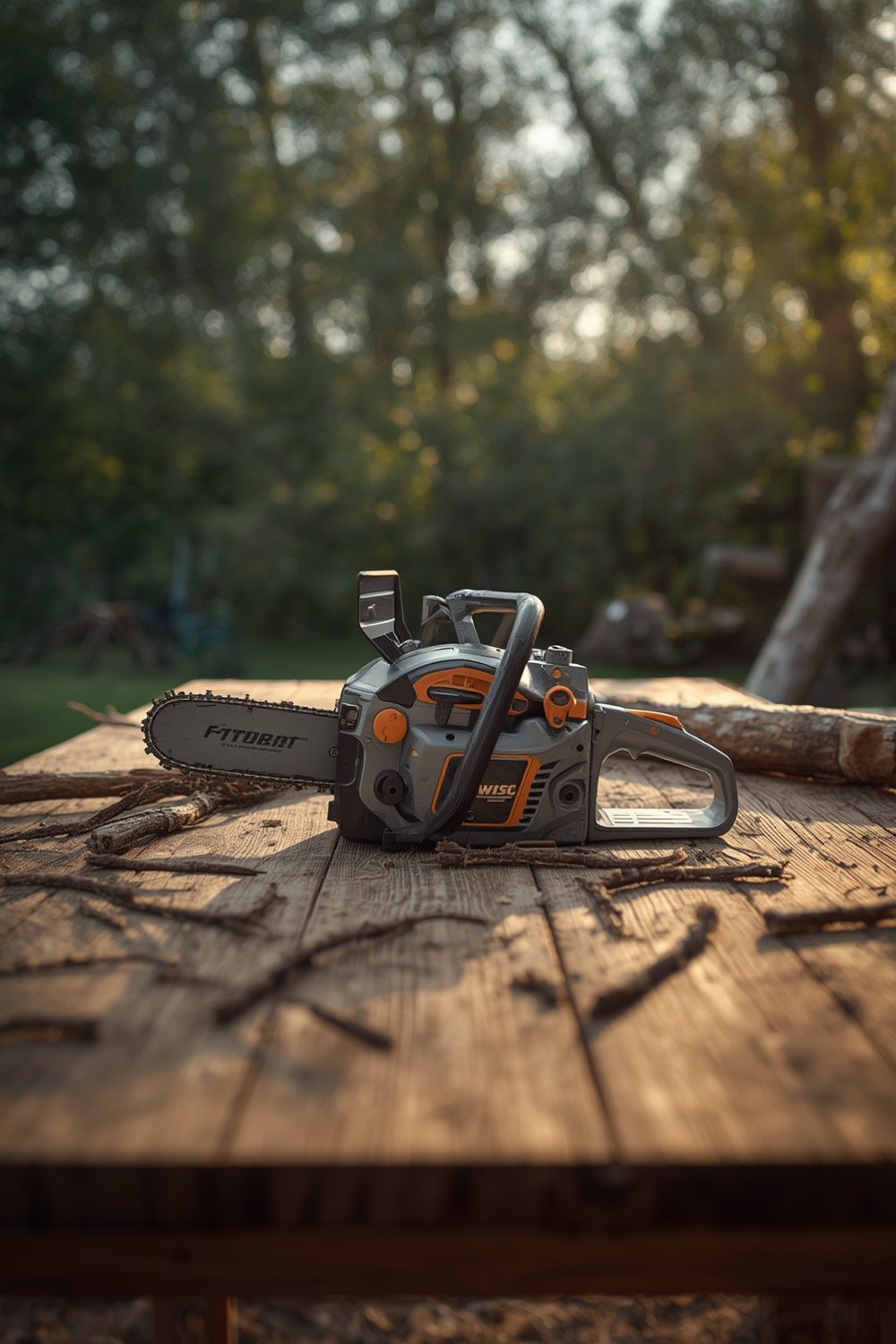
These tools have exploded in popularity, fueled by surging interest in DIY home improvement, urban gardening, and sustainable living. Lightweight models from brands like Black+Decker and Makita make it easy for anyone to maintain shrubs, branches, and small trees, especially in tight spaces where larger tools are overkill.
According to Grand View Research, the global mini chainsaw market is expected to grow at a CAGR of 8.5% through 2033, doubling its size from $328 million in 2025 to nearly $619 million. This surge is also driven by increased adoption of cordless garden tools, which offer flexibility but sometimes come with trade-offs in runtime and power. Curious about broader trends in home and garden tools? Explore our cordless garden tools guide.
Popular with everyone from urban gardeners to professional landscapers, mini chainsaws are used for:
- Cutting dead branches and pruning hedges
- Firewood preparation
- Trail clearing and home renovation tasks
- DIY woodworking or carpentry projects
The appeal is clear: you get the freedom of quick cuts without dealing with pull cords, gas fumes, or two-handed operation.
If you’re into optimizing small spaces and smart storage, you’ll appreciate both the portability of mini chainsaws and practical garage storage racks to keep them organized.
Step-by-Step Guide: How to Use a Mini Chainsaw Safely and Effectively
Owning a mini chainsaw isn’t just about unboxing and pulling the trigger. Safe, effective, and efficient use starts with the right setup, routine care, and a few pro moves.
- Read the manual and inspect your tool: As tempting as it is to dive in, knowing your model’s features and safety mechanisms is step one. Check that the chain is properly tensioned and oiled. If your tool is missing clear safety labels, consider another brand—durability and safety standards matter.
- Dress for protection: Wear work gloves, snug-fitting clothes, safety goggles, and ear protection. Mini doesn’t mean toy—the chain moves fast and can still cause harm.
- Select the right battery: Choose high-capacity, brand-approved batteries. This is where many cordless yard tools fall short: budget batteries degrade quickly and limit your cutting runtime. The best brands also offer quick charging options and spares.
- Position yourself correctly: Always keep two feet planted, one hand on the saw’s handle and the other available for stabilization, unless your tool is specifically designed for one-handed use.
- Plan your cut: Identify where to cut to avoid binding the chain or striking rocks/soil. Keep a firm grip and maintain steady, gentle pressure. Let the chain do the work—a forced cut risks a jam or kickback.
- After use—clean and store: Remove the battery first. Clean sawdust from the chain and bar, oil any moving parts, and store in a dry place. For compact workshops, check out these vertical storage solutions that also work for cordless tools in garages and sheds.
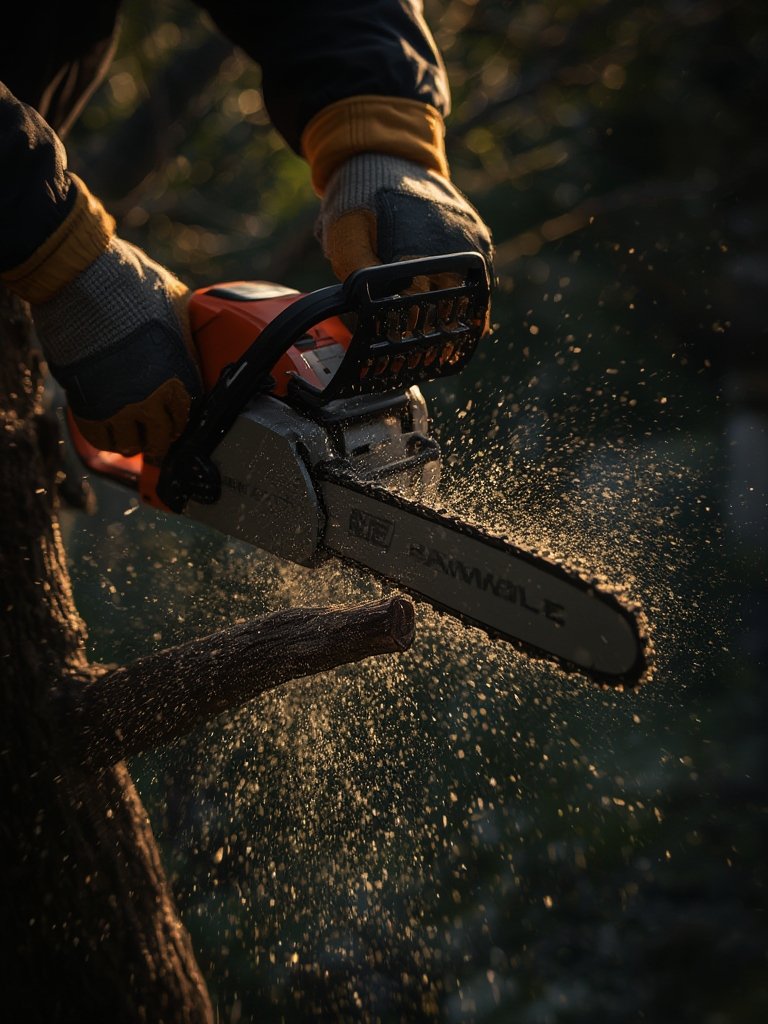
Routine maintenance also means sharpening or replacing your chain regularly—dull blades cause overheating, battery drain, and breaches in safety. If you’re big on DIY and maximizing small spaces, you’ll love pairing mini chainsaws with other time-saving gear like drawer organizer inserts for keeping your workspace clutter-free.
Advanced Analysis & Common Pitfalls
Even though mini chainsaws can be a huge advantage, there are several pitfalls and limits you should expect. Here’s what market data and real-world users report most often:
| Pain Point | Explanation | How to Mitigate |
|---|---|---|
| Limited Battery Life | Cordless mini chainsaws typically last 20-40 minutes on a charge, dropping further on thick wood or cold days. Waiting 1-2 hours for recharge disrupts work flow. | Buy a spare battery or quick-charge model. Stick with name-brand batteries for reliability (learn more). |
| Durability Issues | Many cheap models cut corners on housing, plastic gears, and chains—leading to cracks, jams, or overheating after several uses. | Read reviews and avoid “gadget” brands. Stick to proven names, and check warranty/support before you buy (market data). |
| Limited Cutting Depth | Bar sizes of 4-8 inches mean logs thicker than 6 inches are often out of reach. | Measure your target branches/logs. Know your tool’s limit and don’t push past it—breakage can happen fast. |
| Safety Risks | Don’t let the size fool you: a mini chainsaw can still cause serious cuts or kickback if mishandled, especially without chain brake or guard. | Choose tools with guards, two-handed controls, and clear on-off locks. Always wear gloves and safety glasses during every use. |
| Spare Parts/Support Challenges | Low-cost models can make it hard to find replacement chains, bars, or batteries. | Stick to major brands, and verify replacement part availability before you buy. Consider companies with good track records for customer care. |
The market is booming, but that also means more low-quality options have entered the scene. Research before buying, and don’t hesitate to mix smart yard tools with home essentials. For further organization ideas, see how kitchen storage for small spaces applies to tool sheds and garages as well.
For professionals or those with frequent, demanding tasks, keep in mind that consumer models just aren’t designed for nonstop use. As noted in this market analysis, commercial mini chainsaws offer robust construction and service support for the landscaping and construction industries—worth a look if you’re running a business or have larger properties.

Conclusion
Mini chainsaws provide a welcome balance of freedom, efficiency, and safety for everyday yard work and light construction, but only if you understand the trade-offs. Battery runtime, maintenance, and realistic expectations are crucial for both performance and longevity.
Start by investing in the right tool, keep it organized with clever storage (like garage solutions), and always follow best practices. Ready to cut your workload in half? Try a mini chainsaw on your next project—and see how much smoother outdoor work can be.
FAQ
What can a mini chainsaw actually cut?
A mini chainsaw is ideal for branches up to 6 inches thick, shaping hedges, smaller logs, and DIY woodworking. Working on anything much thicker requires a full-size chainsaw.
How long does a mini chainsaw battery last?
Most brands provide 20-40 minutes of continuous runtime per charge. Heavy-duty jobs or colder weather will shorten that. Carry a spare battery for best results.
Are mini chainsaws safe for beginners?
Yes—if you read the manual and follow all safety precautions. Always use gloves and eye protection, and never bypass built-in safety features. One-handed operation should only be attempted with saws specifically designed for it.
Are all mini chainsaws cordless?
Most are, but corded models exist for unlimited runtime. Cordless versions are much more mobile, but you need discipline about charging batteries and planning cuts.
Do mini chainsaws need oiling or maintenance?
Absolutely. Clean the tool after every use, oil the chain and bar, and keep the chain sharp. Replace worn parts as needed—neglect leads to fast wear and safety risks.