

### Blog Post:
Pantry storage containers are the single most effective upgrade for keeping your food fresh, shelves tidy, and pantry chaos under control. Whether you’re a bulk buyer or just want less food waste, the right containers make all the difference. But not all storage solutions are the same—durability, material safety, and organization hacks matter more than you think.
Key Takeaways
- Pantry storage containers boost organization, keep ingredients fresh, and reduce food waste.
- Glass and BPA-free polypropylene containers are surging in popularity due to health and sustainability concerns.
- Stackable airtight containers maximize limited space, but material choice and sealing quality are crucial.
- Why Pantry Storage Containers Matter
- How to Choose and Organize with Pantry Storage Containers
- Pitfalls, Material Analysis, and Brand Comparisons
- Conclusion
- FAQ
Why Pantry Storage Containers Matter
Pantry storage containers are more than just neat boxes—they solve real-life food storage problems. In 2024, the kitchen storage market hit $137.36 billion, with jars and containers capturing 27% of the segment. These containers don’t just make shelves look tidy: the right ones dramatically extend shelf life for dry goods, limit exposure to humidity, deter pantry pests, and cut back on costly food waste (Grandview Research). Growing preferences for glass and BPA-free polypropylene containers underscore rising awareness around food safety and sustainable living.
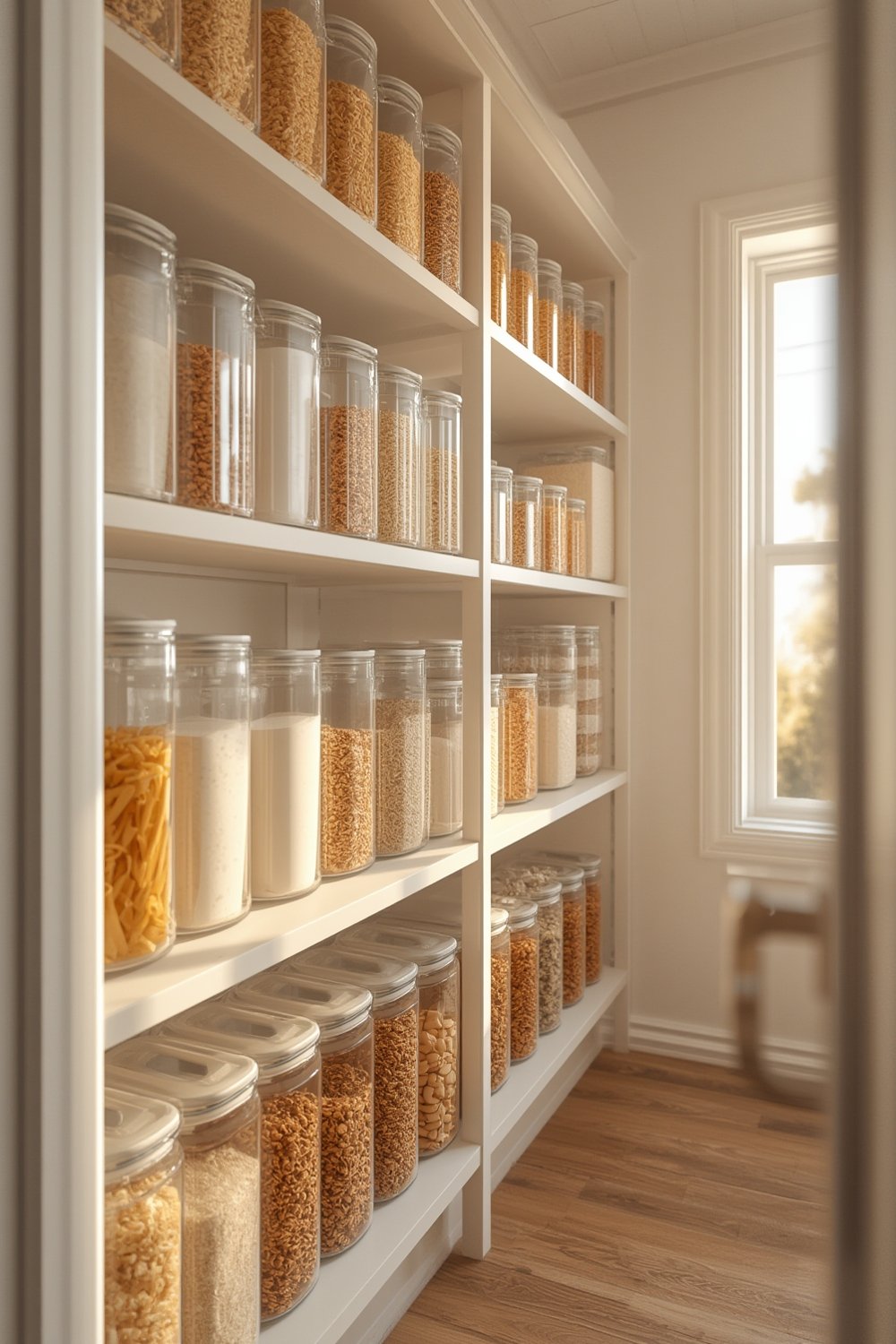
Clear, stackable pantry storage containers also make it easy to see what you have, reducing accidental double purchases or expired food lurking in the back. Unlike original store packaging, containers are designed for airtightness—which means snacks stay crisp, flour won’t clump, and brown sugar doesn’t become a rock. Add in smart stackability, and you’ll fit more into those same shelves—ideal for small or busy kitchens.
How to Choose and Organize with Pantry Storage Containers
Optimizing your pantry with quality containers is about more than grabbing a random set. Here’s a step-by-step process that gets results:
-
Audit what you store.
Categorize your dry goods—flour, cereals, snacks, pasta, baking ingredients. Measure shelf depth and height so you don’t buy containers that won’t fit. -
Select containers by material and size.
For most home pantries, BPA-free polypropylene or Borosilicate Glass containers hit the sweet spot for safety and durability (Source: PRNewswire). Glass is heavier but fully inert and oven/freezer-safe; polypropylene is light and wallet-friendly. -
Prioritize true airtight seals.
A tight lid is crucial to prevent moisture, insects, and spoilage. Look for silicone gaskets and locking mechanisms—these outperform basic snap-on styles. -
Opt for stackable, modular sets.
Stackable designs cut wasted vertical space. Modular shapes fit together neatly, letting you mix and match sizes as your pantry needs change. Consider combining with pantry storage bins for bulkier items. -
Label everything clearly.
Use erasable chalk or printed labels, not sticky notes, for long-term visibility. This makes finding ingredients fast and restocking easy. For more labeling tips, check our drawer organizer inserts guide. -
Organize by frequency of use.
Put everyday items like cereal, rice, and snacks up front. Store rarely used or seasonal items high or low. Use cabinet shelf risers for extra vertical layers. -
Rotate and refill.
When bringing in new groceries, move older stock to the front—this extends shelf life and slashes waste.
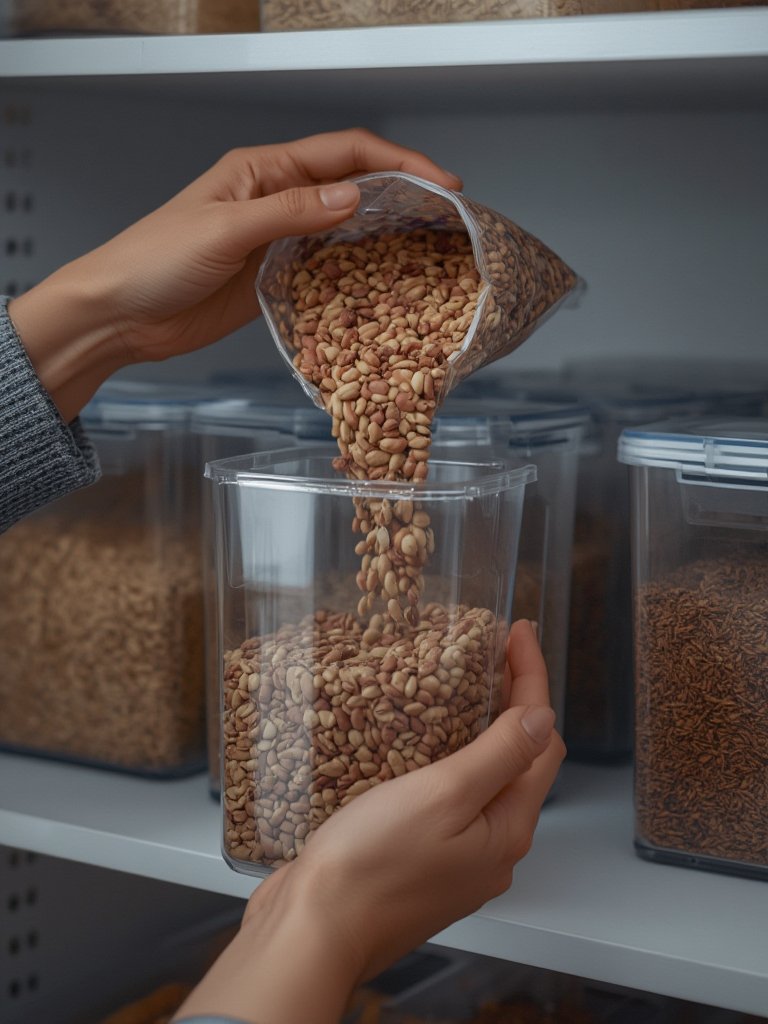
For ultra-streamlined storage, combine airtight pantry storage containers with under sink organizers for overflow and closet storage systems for extra inventory or bulk items. This two-level system keeps bulk buys hidden but still easy to restock. If you want to reduce clutter further, laundry room organizers can serve as auxiliary dry food storage for less humid spaces.
Pitfalls, Material Analysis, and Brand Comparisons
Even after investing in high-quality pantry storage containers, common pitfalls can trip you up. Here’s what to watch for and how to choose wisely:
Common Problems and Solutions
- False Airtight Claims: Many containers claim to be airtight but use loose or snap-on lids that leak air and moisture. Always test before buying in bulk.
- Plastic Health Risks: Some plastics (e.g., non-BPA polycarbonate, HDPE, or PET) can leach chemicals. Stick to food-grade (types 1, 2, 4, 5) or glass (Grandview Research).
- Stacking Weakness: Low-quality containers can warp or slip when stacked high. Choose modular, flat-top sets or pair with drawer divider systems for stability.
- Aesthetics vs. Function: Don’t get seduced by form over function. Crystal-clear acrylics are pretty but scratch easily and may not be microwave-safe.
- Limited Capacity Match: Too many identical containers don’t fit real pantry item volumes—buy a variety for different ingredient sizes.
Material Comparison Table
| Material | Benefits | Downsides | Best For | Dishwasher/Microwave Safe |
|---|---|---|---|---|
| Borosilicate Glass | Inert, won’t absorb/transfer flavors, fully recyclable, long-lasting | Heavy, breakable, higher upfront cost | All pantry items, freezer/oven use | Yes |
| Polypropylene (BPA-free) | Lightweight, affordable, food-safe, decent durability | May retain stains/odors, lower heat tolerance | Snacks, cereal, dry foods | Usually dishwasher safe, microwave safe (check label) |
| Other Plastics (PET, HDPE, etc.) | Ultra-light, cheap | Risk of chemical leaching, less durable, not always airtight | Single-serve, short-term storage | Check type—often not microwave safe |
| Stainless Steel | Durable, non-reactive, modern look | Not see-through, shows dents | Spices, flours, special use | Usually dishwasher safe, not microwave safe |
How Do Leading Brands Compare?
Direct side-by-side specs are rarely published, but leading manufacturers like Amcor Plc, Berry Global Inc., and Cambro supply both the food service and consumer sectors (PRNewswire). Across the market, glass is on the rise for health and longevity, while polypropylene containers remain the best value. Look for reputable brands promoting true food-grade certifications, clear BPA-free labeling, and product-specific use cases (like freezer or microwave compatibility).
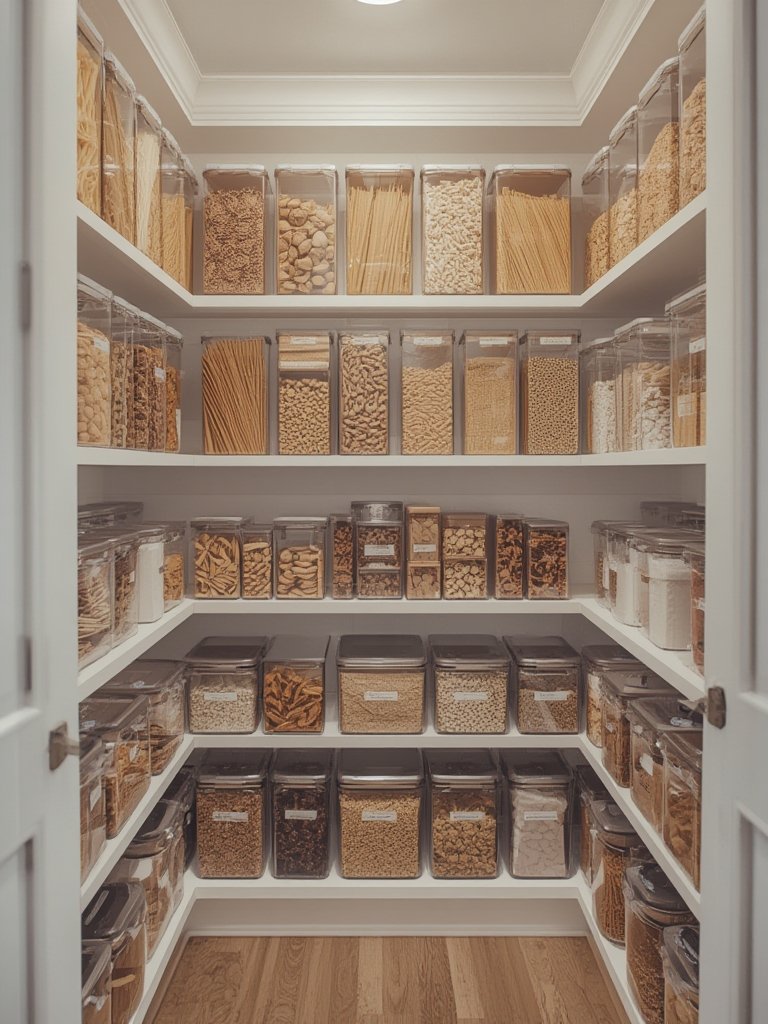
Conclusion
Whether you’re streamlining a messy pantry or stocking up for less food waste, investing in the right pantry storage containers will pay off in freshness, organization, and peace of mind. Remember to match material, stackability, and seal quality with your needs—don’t just shop by looks or price. With the right choices, pantry storage containers can transform your kitchen for good.
Ready to organize your pantry and reduce food waste? Start by auditing your shelves and choosing the right containers for a total transformation today.
FAQ
What size pantry storage containers should I buy?
Match container size to the quantity of the item you store most. For staples like flour, rice, or sugar, 3-5 quart containers work well. For snacks and spices, 1-2 quart containers are ideal. Measure your pantry shelf depth and height before purchasing.
Is glass really safer than plastic for pantry use?
Yes, glass is non-porous, inert, and free from possible chemical leaching. It’s also oven and freezer safe. However, food-grade, BPA-free plastic (especially polypropylene) is still a safe and lightweight choice for dry goods.
How can I ensure my containers are truly airtight?
Look for silicone gaskets or locking lids—then water-test at home by filling, sealing, and tipping. If the container leaks, the seal isn’t reliable enough for long-term pantry storage.
What’s the best way to label my pantry containers?
Use waterproof, removable chalk labels or a label maker for clear, easy-to-update labeling. Avoid sticky notes or regular markers, as they may fall off or stain over time.
Do airtight pantry storage containers reduce food waste?
Yes, airtight containers preserve freshness, prevent spoilage, and make it easy to see what’s in stock, helping you avoid buying duplicates and catch food before it expires.