
### Blog Post:
Pet odor control is one of the most common challenges for modern households, especially as Americans welcome more pets than ever before. Whether it’s the lingering smell of a litter box, dog accidents, or a general “pet smell” embedded in carpets, many find that regular cleaning just doesn’t cut it. If you’re ready to tackle pet odor at the source—not just mask it—this guide will help you do it right, with realistic, proven methods backed by research and industry trends.
Key Takeaways
- Enzymatic cleaners consistently outperform fragrance sprays or DIY mixes for deep-set pet odor control.
- 66% of U.S. households report ongoing pet odor issues—addressing them improves home hygiene and air quality.
- Integrating odor control into your cleaning routine protects both comfort and pet health.
- What Is Pet Odor Control and Why Does It Matter?
- Step-by-Step Guide: How to Eliminate Pet Odors for Good
- Advanced Analysis & Common Pitfalls
- Conclusion
- FAQ
What Is Pet Odor Control and Why Does It Matter?
Pet odor control means neutralizing and preventing unwanted smells caused by your furry, feathery, or scaly companions. These odors often come from urine, feces, glandular secretions, and dander, all of which can persist in bedding, carpets, soft furniture, and even hardwood floors. According to industry analysts, the demand for pet odor control products is booming as pets become integral family members and expectations for a fresh, clean home rise.
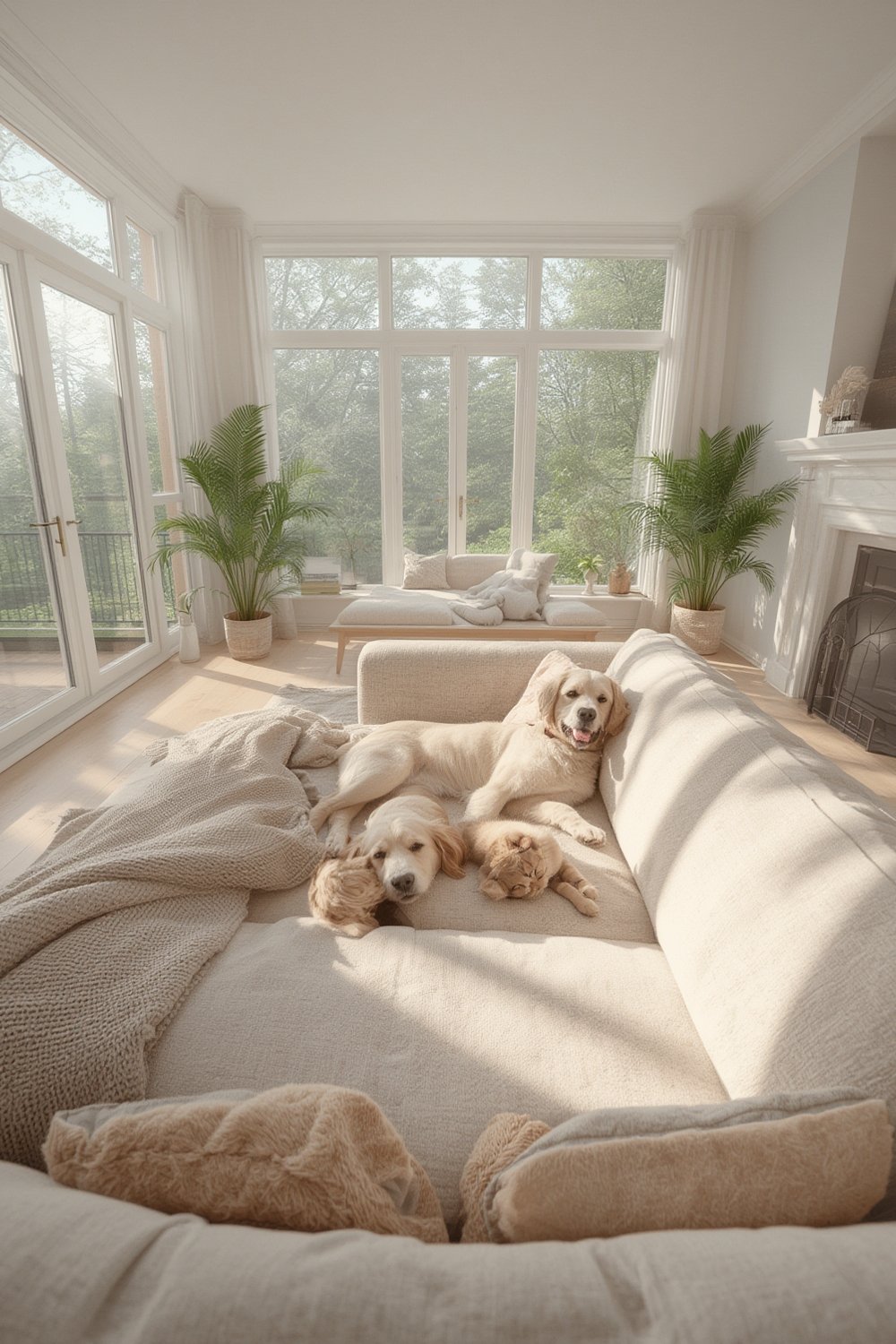
Unchecked pet odors are not just embarrassing—they can trigger allergies, deter guests, and reduce the lifespan of your furniture and flooring. Worse, simply covering up odors with air fresheners or candles often intensifies the problem over time.
With U.S. households spending over $6 billion annually on pet odor control and cleanup products (Market.US), homeowners are seeking methods that actually work, especially as new furniture trends like boucle bed and plush fabrics make odor retention a bigger issue in bedrooms.
Step-by-Step Guide: How to Eliminate Pet Odors for Good
Here’s how to finally leave behind that persistent pet smell—quickly, safely, and for the long-run.
- Identify the source: Track down problem spots using your sense of smell and, for deep-set stains, a UV flashlight.
- Remove solids/liquids fast: Blot up fresh accidents and scoop out litter as soon as possible. Quick removal prevents deeper absorption into carpets or furniture.
- Choose the right cleaner: Research shows enzymatic cleaners break down odor-causing compounds, unlike typical detergents. Earthworm Pet Stain & Odor Eliminator is highly recommended for both safety and effectiveness (The Kitchn praises its gentle, natural formula).
- Let it sit: Follow label instructions. Most enzyme solutions need at least 15 minutes to break down uric acid crystals at the molecular level.
- Rinse or blot: Remove excess liquid and allow the area to air-dry. Avoid heat (like hairdryers), which can set odors permanently.
- Repeat if needed: For persistent spots—especially bedding or pet beds like orthopedic pet beds—repeat application and always use a pet-safe machine or washing process.
- Maintain with prevention: Wash pet bedding weekly, use covered litter boxes, and consider regular deep cleaning for carpets and upholstery.
- Upgrade air quality: Use HEPA filters in pet-heavy rooms for dander and odor control. Smart devices like automated air purifiers can help, especially if you have compact living arrangements.
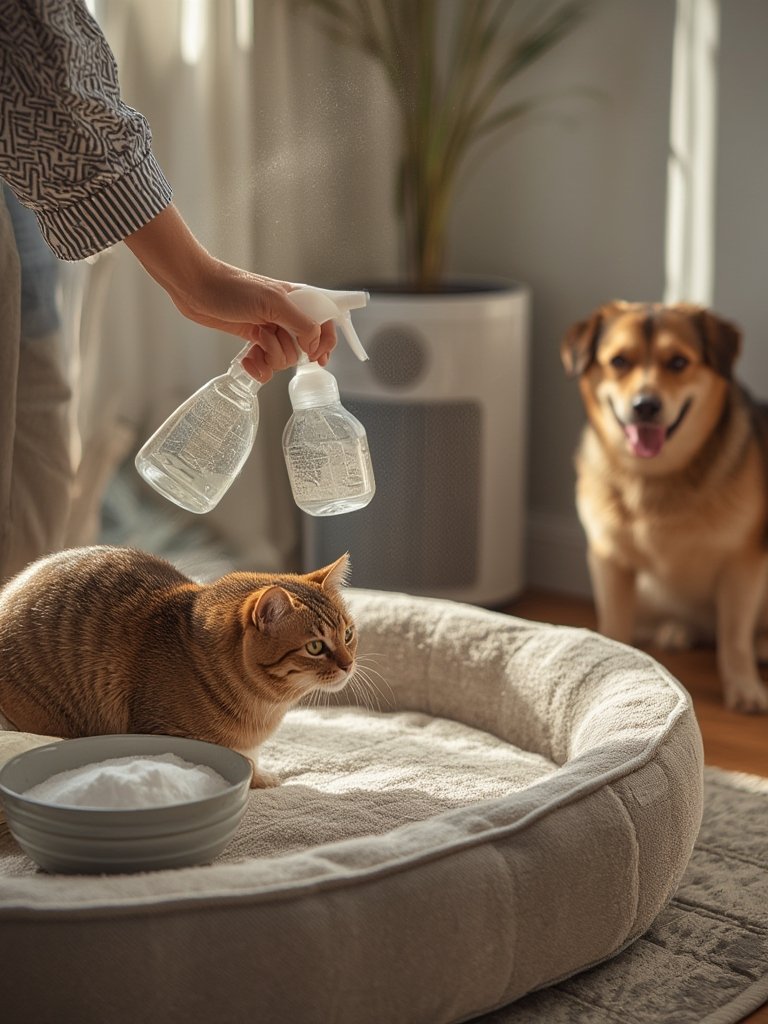
Want more advanced strategies? Check out products that combine odor control with other smart features, like pet automatic feeders that seal away food smells, or smart bird feeders designed to minimize scatter and outdoor odor sources.
If you’re tackling a long-term problem, remember to look for signs of buildup in overlooked places. Drawers, closet systems, and under-sink areas can trap pet odors. Explore solutions using closet storage systems and modular organizers to improve airflow and facilitate cleaning.
Advanced Analysis & Common Pitfalls
Even diligent pet owners fall into common traps. Here’s a realistic look at why pet odor control can be a struggle—and how to avoid the most frequent pitfalls.
| Approach | Pros | Cons | Suitability |
|---|---|---|---|
| Spray Air Fresheners | Instant masking of odors | Does not eliminate source; builds up with time | Short-term coverup, not recommended for lasting results |
| DIY Solutions (vinegar, baking soda) | Low cost, easy to find | Partial effect, may damage sensitive fabrics or flooring | Quick fixes, suitable only for minor, fresh incidents |
| Enzymatic Cleaners | Breaks down organics at molecular level, pet-safe | Requires correct application; can be more expensive | Best for deep-set or recurring odors |
| Ozone Generators | Powerful air purification | Not always safe for pets or people during treatment | Use with caution, for unoccupied rooms only |
| Regular Maintenance | Prevents buildup; improves air and surface hygiene | Time-consuming; requires organization | Ideal for homes with multiple pets or sensitive noses |
- Pitfall 1: Using only surface cleaners or deodorizing sprays. These don’t remove molecules that cause ongoing pet odors, especially in plush or absorbent furniture.
- Pitfall 2: Ignoring hidden spots like air vents, baseboards, or the area under furniture. These accumulate pet dander and odors over months.
- Pitfall 3: Underestimating the importance of washing pet toys, feeding mats, and bedding regularly, as bacteria and scents build up in contact areas.
- Pitfall 4: Not investing in proper ventilation or air purification, which can make pet smells linger even after surface cleaning.
According to the latest research, the most effective solution is a combination of enzymatic cleaning, habit changes, and air quality upgrades. Always prioritize pet-safe options over harsh chemicals or ozone devices.
Conclusion
Pet odor control doesn’t need to be a never-ending battle. By targeting the root cause, investing in proven enzyme-based products, and maintaining a regular cleaning schedule, you can reclaim a fresh, healthy home. Remember: the focus keyword—pet odor control—is not about masking smells, but eradicating them for a home that’s welcoming for people and pets alike. Start today, and feel the difference as your home’s air and surfaces become truly clean. Ready for a fresher home? Commit to these steps now.
FAQ
What is the most effective cleaner for pet odor?
Enzymatic cleaners are considered the top choice. They break down odor-causing compounds at the source and are generally safe for pets and sensitive fabrics.
How do I prevent recurring pet odors?
Establish a regular cleaning routine, wash bedding and toys weekly, and use enzyme-based cleaners on problem spots. Good airflow and HEPA filtration also help prevent buildup.
Are home remedies (like vinegar or baking soda) effective?
DIY solutions work for light, fresh odors and in a pinch. However, they often fail to eliminate deep-set smells and can cause damage to some surfaces.
Can pet odor control products damage my furniture?
Some harsh chemical cleaners can discolor or degrade certain fabrics, especially plush or luxury options. Always test in an inconspicuous spot before full use, and opt for pet-friendly products.
How can I control litter box odor in small spaces?
Use a covered box, scoop daily, and place a deodorizer beneath the litter. Consider odor-resistant litter and routine deep cleaning to prevent lingering smells in tight living areas.