

Refrigerator organizers are redefining how we use fridge space. If you’re fed up with spoiled produce, stacked containers, and forgotten leftovers, this practical guide will help you gain order and cut food waste—without fancy gadgets or endless cleaning.
Key Takeaways
- The refrigerator organizer market is growing fast—valued at $2.5 billion in 2024 and projected to hit $4.2 billion by 2033.
(source) - Organizers cut food waste by improving fridge visibility and airflow, but poor bin choices can cause frustration.
- Choosing stackable, BPA-free bins and learning real-world tricks is more effective than following product hype.
- What Are Refrigerator Organizers & Why Use Them?
- Step-by-Step: How to Use Refrigerator Organizers for Maximum Impact
- Advanced Analysis & Common Pitfalls
- Conclusion
- FAQ
What Are Refrigerator Organizers & Why Use Them?
Refrigerator organizers are clear storage bins and drawer inserts designed to keep your fridge neat, visible, and efficient. They’re especially vital in busy homes or for anyone who shops in bulk, meal preps, or wants to finally stop tossing out forgotten groceries. With the fridge organizer market valued at $2.5 billion in 2024 and set for robust growth, these bins are not just a fleeting trend—they’re reshaping kitchen routines worldwide.
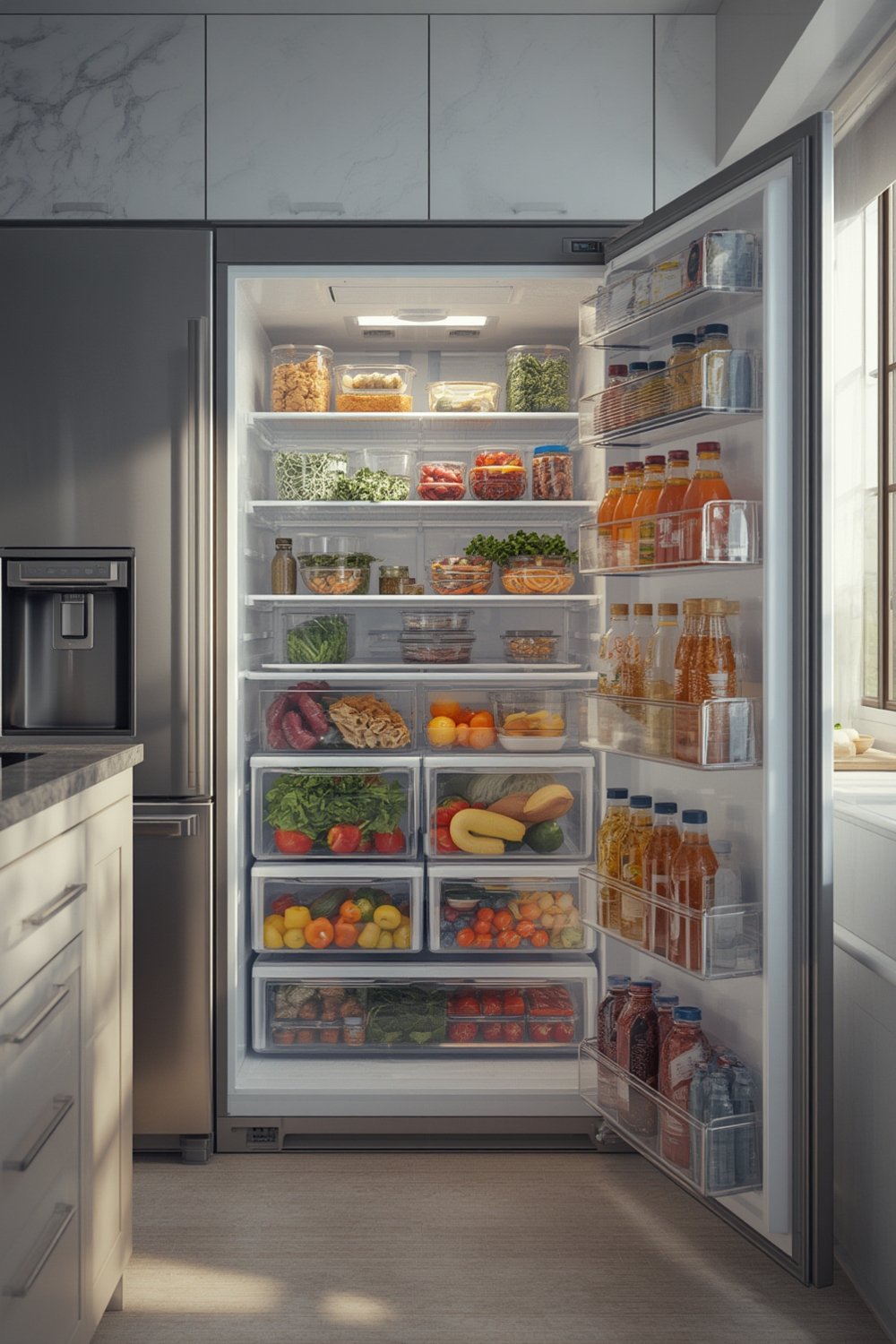
Well-chosen refrigerator organizers help you:
- Quickly spot produce or leftovers, so they don’t go to waste.
- Contain spills for easier cleanup.
- Increase airflow to keep food fresher, longer.
- Segment snacks, condiments, or meal kits for grab-and-go ease.
However, not every bin is a win. Some crack, trap odors, or don’t fit standard shelves. Getting practical means knowing what works (and what doesn’t) in real kitchens—not just influencer pantries.
Step-by-Step: How to Use Refrigerator Organizers for Maximum Impact
If your fridge is overloaded or chaotic, use this actionable process to declutter, evaluate, and reorganize for real results.
- Empty Your Fridge Completely
Remove all contents and give your fridge a quick wipe down. This is your chance to toss expired goods and assess food waste issues. - Sort and Group Items by Use
Group like with like: beverages, sauces, dairy, meal ingredients, grab-and-go snacks. This will help reveal your actual storage needs—not just what looks “tidy” online. - Measure Your Space and Bins
Double-check interior shelf dimensions. A bin that’s too tall or deep for your shelf causes doors to jam or airflow to decrease—hurting food life.
Stackable bins should leave at least 1–2 inches from the top for air circulation. - Pick the Right Bin for the Job
– Use clear, stackable bins for snacks, produce, or leftovers.
– Try divided bins or insert trays for small items like cheese, yogurts, or energy drinks.
– Avoid bins with lids unless you need to isolate strong odors or stack vertically. - Label Bins for Grab-and-Go Efficiency
Even a simple masking tape label can save time and minimize food loss. Especially useful for visually similar foods.
Explore more label and drawer organizer ideas. - Restock By Zone, Not By Type Alone
Reserve top shelves for ready-to-eat leftovers or snacks; lowest drawers for raw produce. Organize what you need most often in easy reach for your household habits.
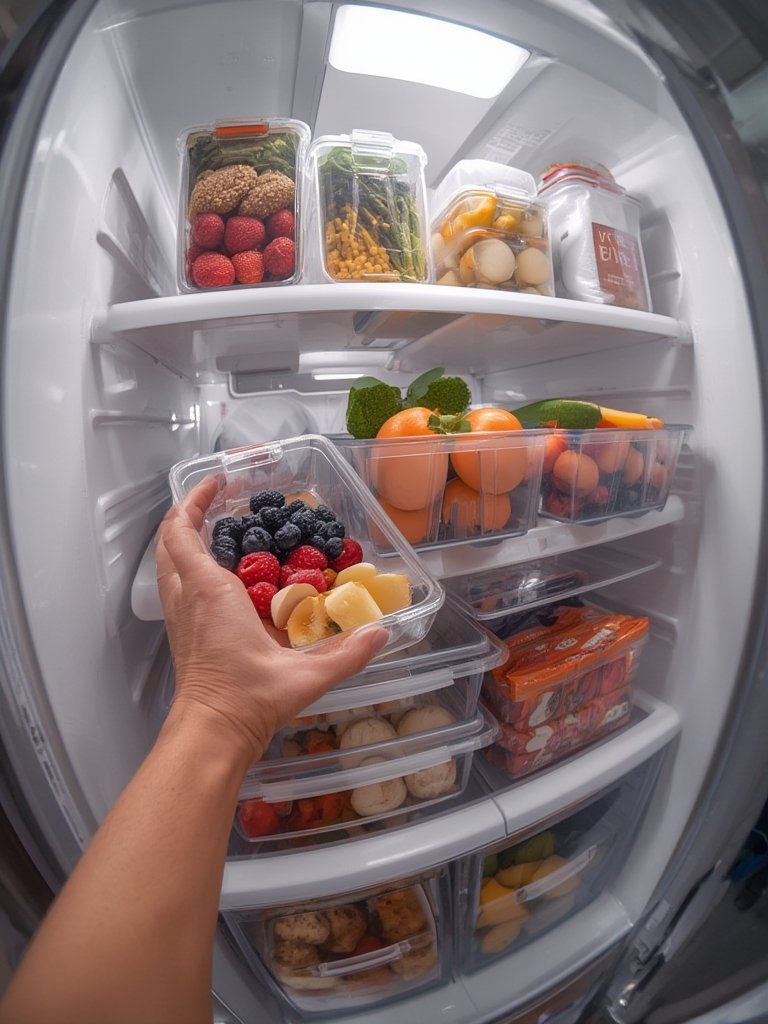
For deep fridge drawers, add slide-out or handled bins. When storing liquids or raw meats, use leakproof containers to protect shelves. Stackable bins multiply vertical space, but double-check that airflow is not blocked, or food will spoil faster.
If your kitchen is small, look for slim bins or drawer inserts designed for tight spaces—some solutions overlap with under sink organizers and pantry bins.
Need extra freezer storage? Stackable bins can be used in the freezer as well, but always check durability at low temperatures.
For more home storage hacks, check out modular closet organizers to complement your kitchen upgrades.
Advanced Analysis & Common Pitfalls
No one talks about the pain points with refrigerator organizers until you buy the wrong set. Here’s an honest look—plus a quick comparison of features that matter most.
| Feature | Pros | Cons |
|---|---|---|
| Stackable Bins | Maximize vertical storage, improve groupings | Can block airflow, sometimes tip over, may trap moisture |
| Clear Acrylic/Plastic | See contents at a glance, easy to clean | Can crack in cold temps, may absorb odors, some are not BPA-free |
| Drawer Inserts | Segment small, loose items; easy access | May reduce usable space if not custom-fitted |
| Lidded Bins | Stack securely, isolate strong odors | Tend to go unused (inconvenient), lids can harbor mildew if not cleaned |
- Common Pitfalls:
- Buying bins that don’t fit current shelves or block fridge doors from closing.
- Using solid or colored bins that hide contents, leading to more forgotten food.
- Skipping labels—what looks tidy now becomes confusing later.
- Overfilling bins or stacking too high, which reduces airflow and freshness.
- Choosing non–food-safe plastics—look for BPA-free bins labeling for peace of mind.
As noted in current market research, food safety and waste reduction are industry drivers (source). Cheap bins become brittle, and many don’t account for condensation or fridge humidity—leading to odors or stains that never leave.
Conclusion
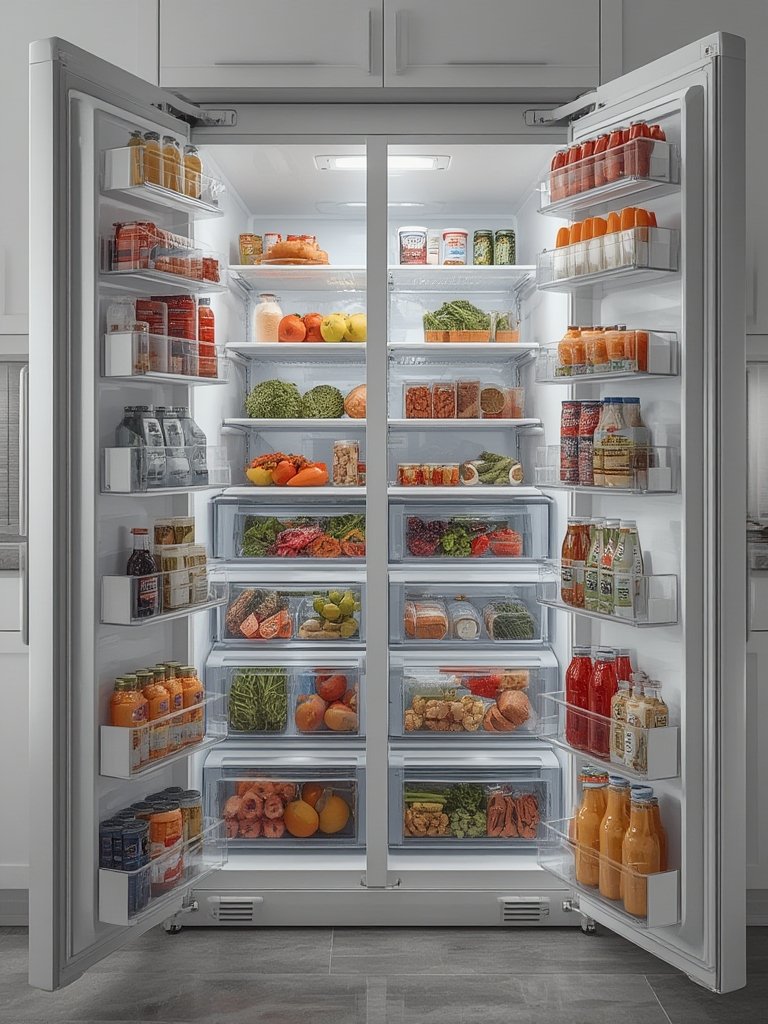
Refrigerator organizers do more than create a Pinterest-pretty fridge. When used with real strategy—measuring, grouping, labeling, and allowing for airflow—they can reduce food waste, improve kitchen efficiency, and cut down on cleaning time. The current $2.5 billion market is proof that more people than ever are investing in long-term kitchen organization (source).
Want a home that runs smoother? Start today—take five minutes to assess your fridge with the tips above. With the right refrigerator organizers, you’ll quickly see fewer spoiled groceries and a far less stressful kitchen. Looking to organize the rest of your house? Check out our guides on entryway storage benches and drawer organizer inserts.
FAQ
Do I really need specialty refrigerator organizers, or can I use regular storage bins?
You can use any clear, food-safe storage bins as temporary organizers. However, bins designed for fridges allow better air circulation and are sized to fit shelves without blocking the door.
How do I prevent food odors from building up inside clear fridge organizers?
Choose BPA-free plastic or acrylic bins that are labeled as odor-resistant. Wash bins weekly, leave them to air dry fully, and avoid storing raw meats in non-sealed containers.
Can refrigerator organizers help prevent food waste?
Yes—when food is visible and sorted, you’re less likely to let it expire or get forgotten. This approach is a key reason the market is growing, according to industry research.
Are all clear refrigerator organizers BPA-free and food safe?
No. Always check for BPA-free labeling. Cheaper bins might not be certified, so invest in those that clearly state food-safe material.
Where can I find more ideas for organizing kitchen and storage spaces?
Explore our in-depth guides on pantry storage bins and under sink organizers for space-saving tips beyond the fridge.