

### Blog Post:
Vertical kitchen storage is transforming how small and busy kitchens function, helping homeowners make the most of every inch—especially when countertop and cabinet space is at a premium.
Key Takeaways
- Vertical kitchen storage systems maximize space by using walls and tall cabinets, solving clutter issues in compact homes.
- Material choice matters—opt for durable, eco-friendly options and ensure safe installation to avoid regrets.
- Practical organization, modular solutions, and realistic planning are essential to avoid common installation problems and wasted space.
- What Is Vertical Kitchen Storage and Why Use It?
- How to Design and Install Vertical Kitchen Storage: Step-by-Step
- Advanced Analysis and Common Pitfalls
- Conclusion
- Frequently Asked Questions
What Is Vertical Kitchen Storage and Why Use It?
Vertical kitchen storage refers to systems—like wall-mounted shelves, tall cabinets, pull-out organizers, and modular wall racks—that use your kitchen’s height to free up floor and counter space. Instead of scattering tools and pantry items in drawers or on crowded counters, vertical storage takes advantage of unused wall real estate, making it perfect for both small apartments and open-plan kitchens.
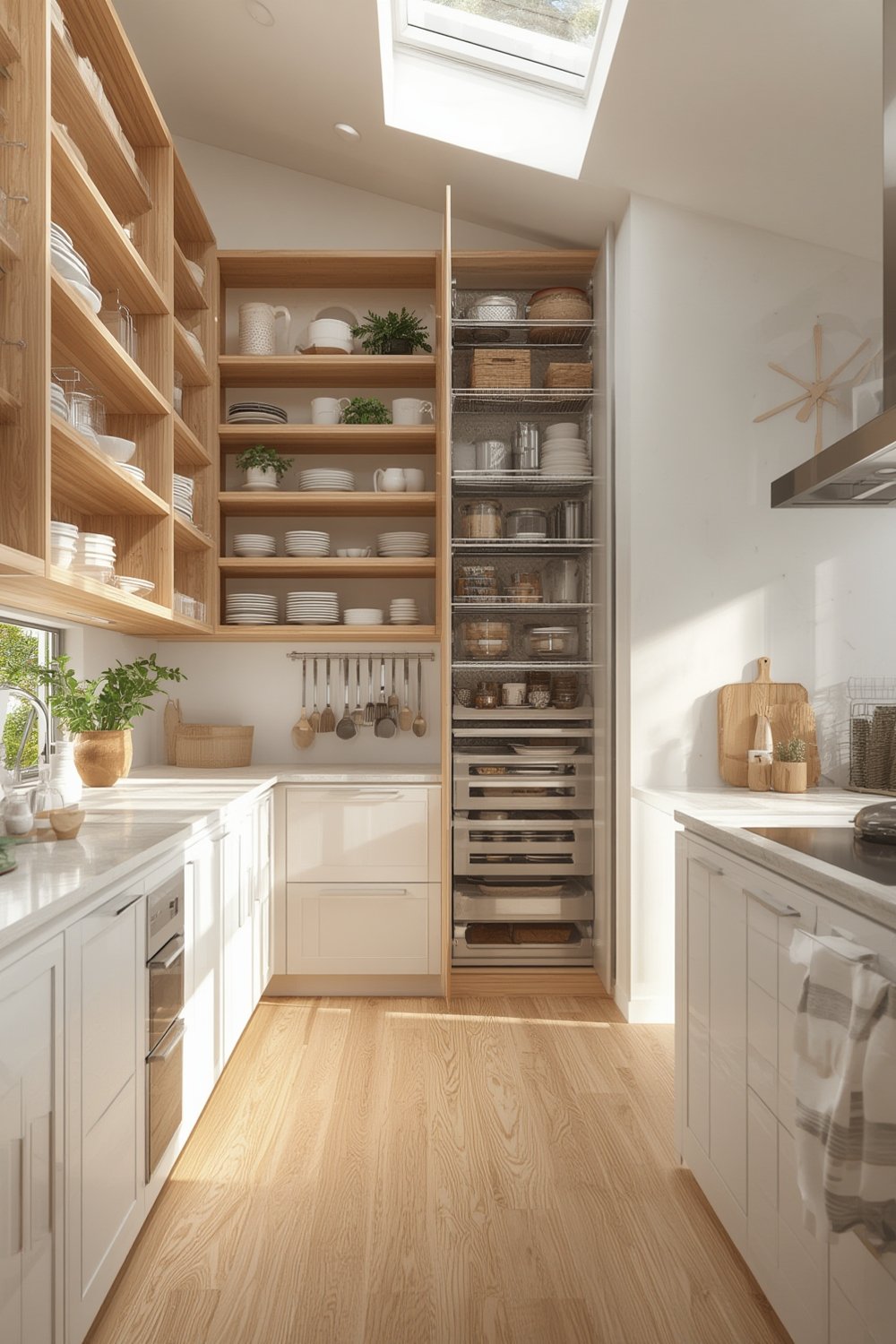
The need for vertical solutions is exploding. The global kitchen storage and pantry organization market is projected to reach USD 137.36 billion in 2024, with vertical and multifunctional storage leading the charge—driven by city living and demand for space-saving. Remodeling trends and the push for clutter-free, modular homes are fueling both DIY and high-end solutions.
Benefits include:
- Reclaiming valuable countertop and floor space
- Fitting more into tiny kitchens without clutter
- Customizing storage to suit your cooking style and needs
- Quick visual access to ingredients and utensils—just like cabinet shelf risers can do inside crowded kitchen cabinets
For more inspiration on maximizing small spaces, check these highly practical guides for pantry storage bins and under sink organizers.
How to Design and Install Vertical Kitchen Storage: Step-by-Step
Getting vertical kitchen storage right means combining practicality with realistic planning. Here’s how to do it:
- Assess Your Needs
- Inventory your most-used items: pots, utensils, pans, dry goods, small appliances.
- Identify clutter points you want to fix. Start with corners, above sink, or unused side walls.
- Set a Realistic Budget
- DIY wire racks and open shelves can start at $20. High-end modular tall cabinets or glass-front units can run into the thousands, depending on size and material.
- Factor in tools, hardware, and (for heavy shelving) possible wall reinforcement.
- For a breakdown of modern storage trends, see market analysis reports.
- Choose Materials Wisely
- Look for sturdy wood (ideally FSC certified), recycled composites, low-VOC finishes, or thick steel. Inexpensive plastics (still 36% of the market in 2023) can work for lighter loads but avoid for heavy cookware.
- Glass offers durability and a sleek look but requires careful installation to avoid breakage.
- Plan for Weight
- Always match your chosen shelf or rack with both wall type and stud placement. Standard drywall can’t support as much weight as brick or concrete. Overloading a shelf causes dangerous failures.
- If you have young kids, install heavier or less frequently used items higher up and keep daily use items within arm’s reach.
- Install with Care
- Use a confirm your wall type, secure anchors, and follow specific product guidelines. For tough wall types, consider hiring a pro. Overlooking this step is a top reason storage fails.
- If unsure about drilling or structural safety, opt for pull out cabinet organizers or adjustable standing units.
- Organize Intelligently
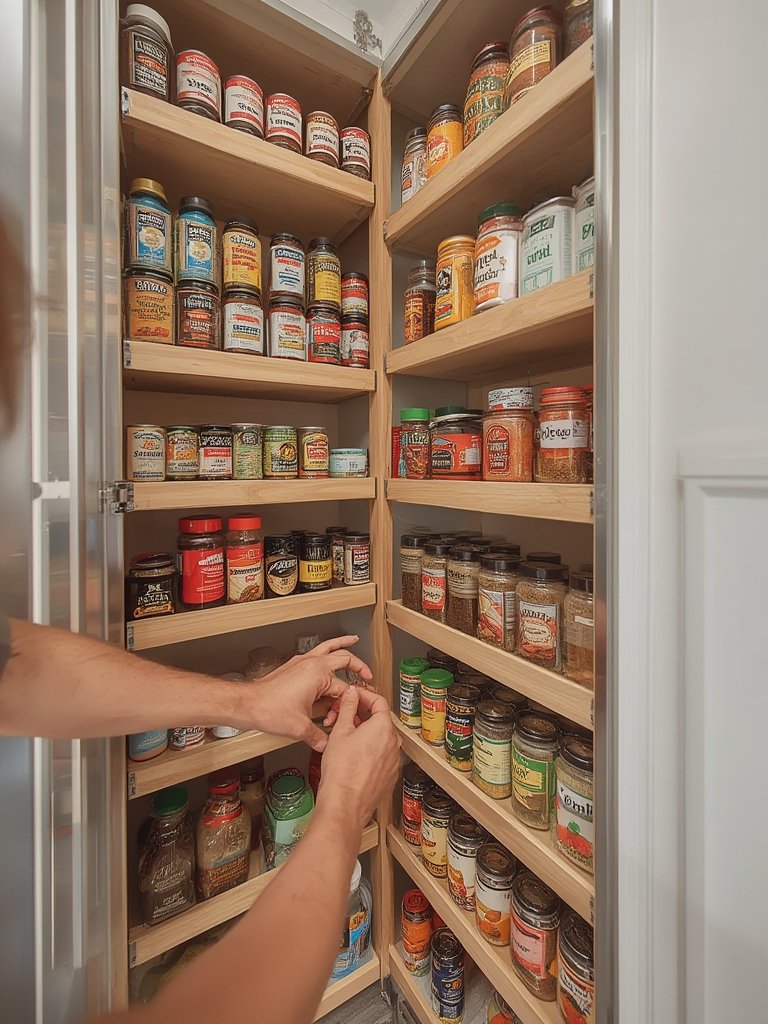
- Place most-used tools and spices at head or counter height, bulk items higher up.
- Supplement vertical units with drawer organizer inserts and pantry storage containers to keep everything tidy and accessible.
- Maintain and Adjust
- Review your vertical kitchen storage setup every few months. Remove unwanted items, wipe down surfaces, and tighten any hardware.
- Consider swapping out shelving or adding more as your needs change—just like you would with modular closet systems.
Advanced Analysis and Common Pitfalls
Even though the benefits are compelling, some homeowners encounter issues with vertical kitchen storage, especially in tight or rental kitchens:
- Installation Surprises: Drywall isn’t designed for heavy loads. Mounting a deep pantry rack or appliance shelf without proper anchors leads to sudden collapses or wall damage.
- Accessibility Woes: Tall cabinets look functional but can leave the top shelves virtually unreachable for everyday cooks.
- Material Regrets: Cheap particleboard or low-grade metal often warps, sags, or cracks, especially in humid kitchens or when overloaded.
- Mismatched Systems: Buying random organizers can make kitchens feel even more cramped or visually chaotic.
- Hidden Costs: Not budgeting for mounting hardware, tools, or unexpected repairs pushes projects well beyond initial estimates.
| Approach | Pros | Cons |
|---|---|---|
| Wall-Mounted Shelves | Customizable height Easy to see contents Good for lightweight items |
Limits on weight Can damage drywall Not always child-safe |
| Tall Pantry Cabinets | High capacity Hides clutter Integrates with kitchen style |
Expensive Difficult top-shelf access Not ideal for open layouts |
| Over-Cabinet/Adhesive Racks | No drilling Easy to reconfigure Perfect for renters |
Limited weight capacity May shift or fall Appearance isn’t as clean |
| Pull-out/Pivot Storage | Great access Fits deep or awkward spaces Minimizes wasted cabinet areas |
Complex installation Higher cost May not fit all cabinet types |
For more realistic reviews on wide-ranging kitchen upgrades, see our Home Depot kitchen remodel reviews.
Conclusion
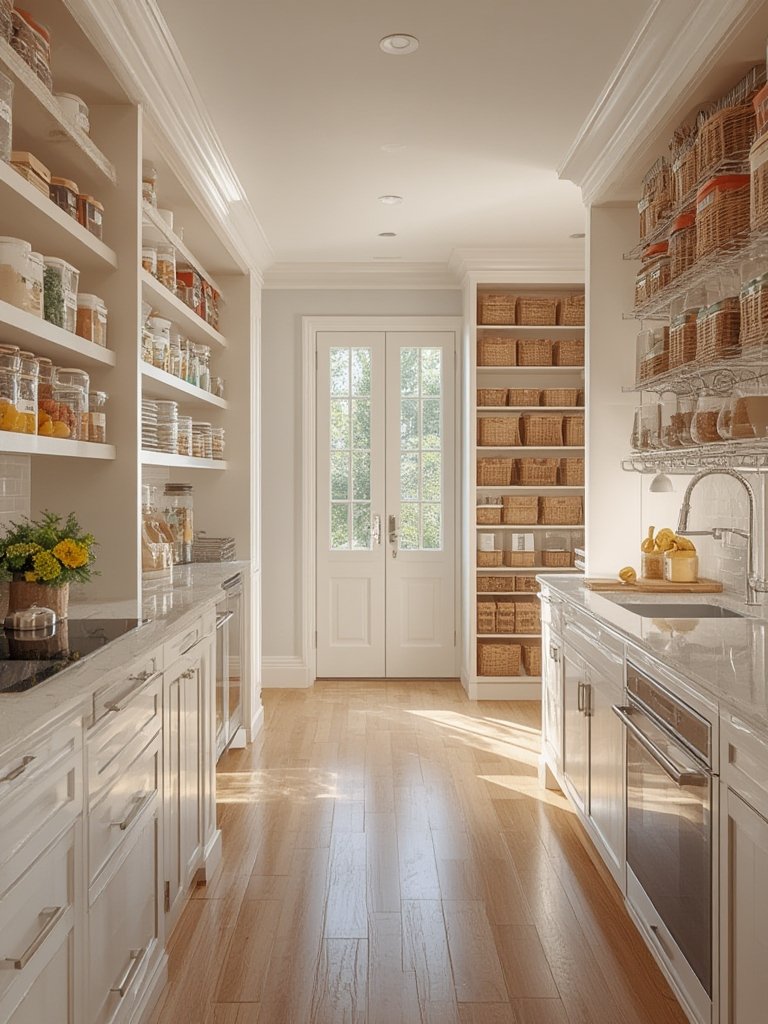
From budget DIY to luxury makeovers, vertical kitchen storage turns cramped, cluttered spaces into functional hubs—so long as you plan, install, and organize intelligently. The growing market, eco-friendly materials, and modular designs mean more options than ever, but shortcuts lead to common pitfalls. If you want lasting results that truly fit your life, treat vertical kitchen storage as a long-term investment—measured, practical, and tailored.
Ready to overhaul your space? Start small, review your layout, and let vertical kitchen storage transform your kitchen for the better.
Frequently Asked Questions
What’s the most important thing to check before installing vertical kitchen storage?
Always confirm your wall type and locate studs or use appropriate wall anchors. This prevents dangerous shelf failures and costly wall repairs down the line.
Are wall-mounted shelves safe for heavy cookware?
They can be, but only if installed into studs with heavy-duty anchors and made from strong materials. Lightweight shelves or adhesive options are best for spices, jars, or light gadgets only.
How do I keep upper cabinets or tall shelves accessible?
Store least-used or seasonal items above your reach. Use a sturdy step stool or opt for adjustable pull-down racks to maximize accessibility.
What materials are most durable for kitchen storage?
Eco-friendly solid wood, steel, and tempered glass provide the best blend of durability and aesthetics. Avoid particleboard or thin metal for anything heavy or frequently used.
How can renters use vertical storage without damaging walls?
Adhesive hooks, tension rods, and over-cabinet organizers require no drilling. Remove or reposition them anytime without leaving a trace.
—