
### Blog Post:
Eco friendly garden tools are transforming how we approach gardening at home, bringing real sustainability into backyards and community plots. If you want to make your garden greener, safer, and more cost-effective—while actually making a difference—this guide breaks down everything you need to know, including real drawbacks and practical advice for 2024.
Key Takeaways
- Eco friendly garden tools reduce waste and chemical exposure, but can cost more upfront.
- Battery and hand-powered tools are surging in popularity, with major brands investing in sustainability.
- Durability, regular maintenance, and sourcing from reputable brands are key to long-term value.
- Understanding Eco Friendly Garden Tools
- How to Choose the Right Eco Friendly Garden Tools
- Advanced Analysis & Common Pitfalls
- Conclusion
- FAQ
Understanding Eco Friendly Garden Tools
Eco friendly garden tools combine low-impact materials, energy-saving technology, and responsible manufacturing to create greener gardening solutions. These tools are made from recycled or renewable resources (like bamboo, recycled steel, or bioplastics), and they often use manual or battery power instead of gas engines.
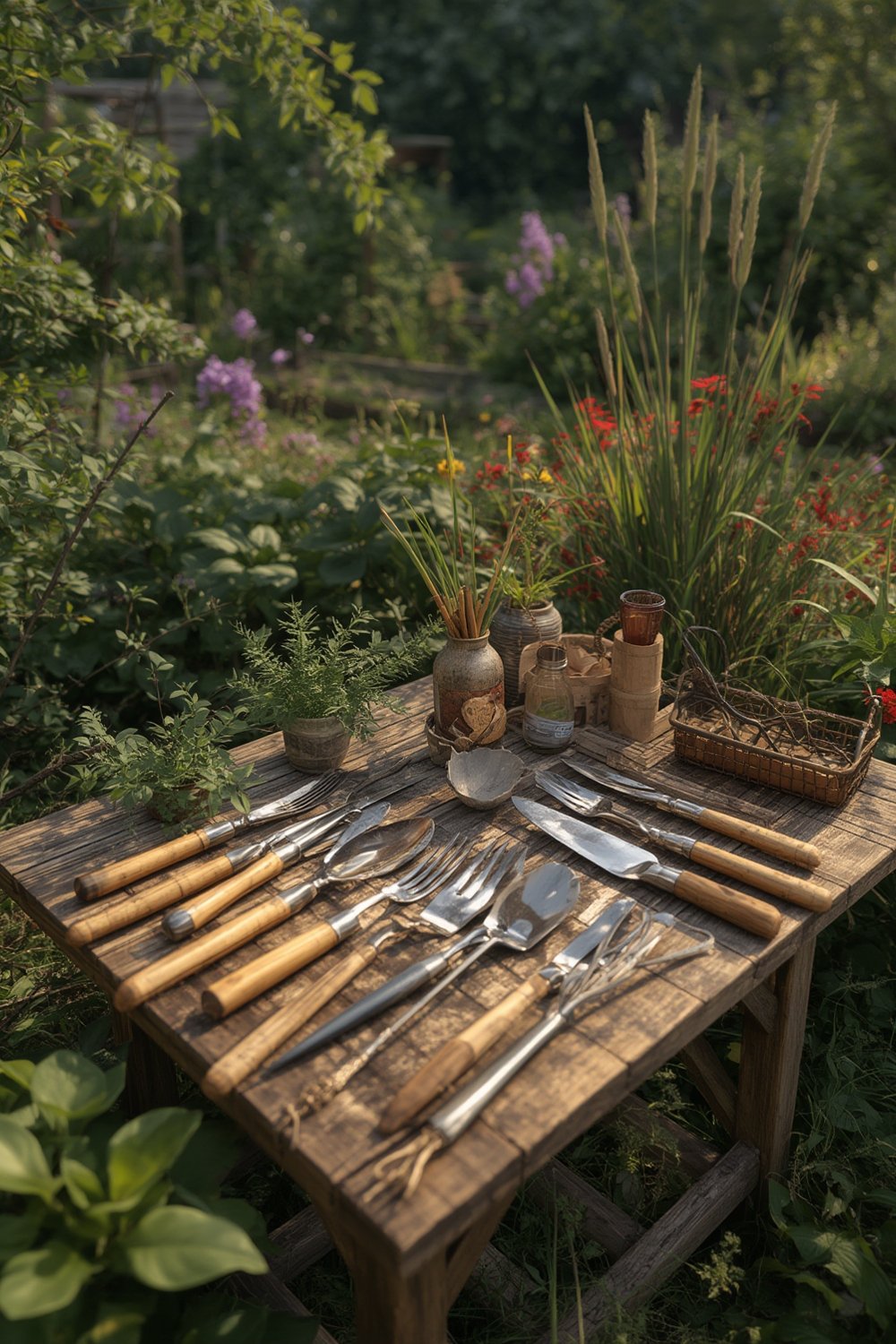
The main benefits include reduced carbon footprint, less landfill waste, and safer materials for users and wildlife. Leading brands like Fiskars and Barebones have developed lines of tools specifically designed to last for years and use less plastic. According to current market insights, roughly 20% of garden tools sold in 2024 are classified as eco-friendly—a fast-growing but still emerging segment [source].
But switching to sustainable tools isn’t only about saving the planet. With more cities moving toward green policies and the growing DIY gardening culture, the right tools can also help your garden thrive and reduce total ownership costs in the long run [source].
How to Choose the Right Eco Friendly Garden Tools
Ready to upgrade your setup? Use this step-by-step process to make decisions that work for your space, budget, and garden style.
-
Start with manual hand tools.
Look for trowels, weeders, and pruners made from recycled steel and sustainably sourced wood. Manual tools eliminate emissions and require less maintenance long-term—see our guide on manual weeding tools for more durable, chemical-free options. -
Choose battery-powered tools for bigger jobs.
Cordless tools (like trimmers and hedge cutters) are far more eco friendly than gas-powered equivalents, especially when you use rechargeable batteries. Brands like Ryobi and Fiskars are investing in cleaner battery platforms—read more about cordless garden tools and what to look for. -
Prioritize recycled and renewable materials.
Look for certifications or supplier details listing recycled content, FSC-certified wood, or bioplastics. If possible, purchase from brands with strong environmental commitments—Fiskars, Barebones, and Gardeners Supply Co. are top U.S. picks [source]. -
Understand the full lifecycle.
Tools made from compostable bioplastics or recycled metals will break down more safely or can be recycled again after years of use. Always check if the manufacturer provides a take-back or recycling program for worn-out tools. -
Reduce, reuse, and store smartly.
Minimize your overall toolkit and ensure you have a good garden tool storage organizer—this preserves your tools and extends their lifespan. -
Maintain your tools regularly.
Proper cleaning, sharpening, and oiling prevent rust (even on recycled steel) and improve durability. Read our complete maintenance tips below.
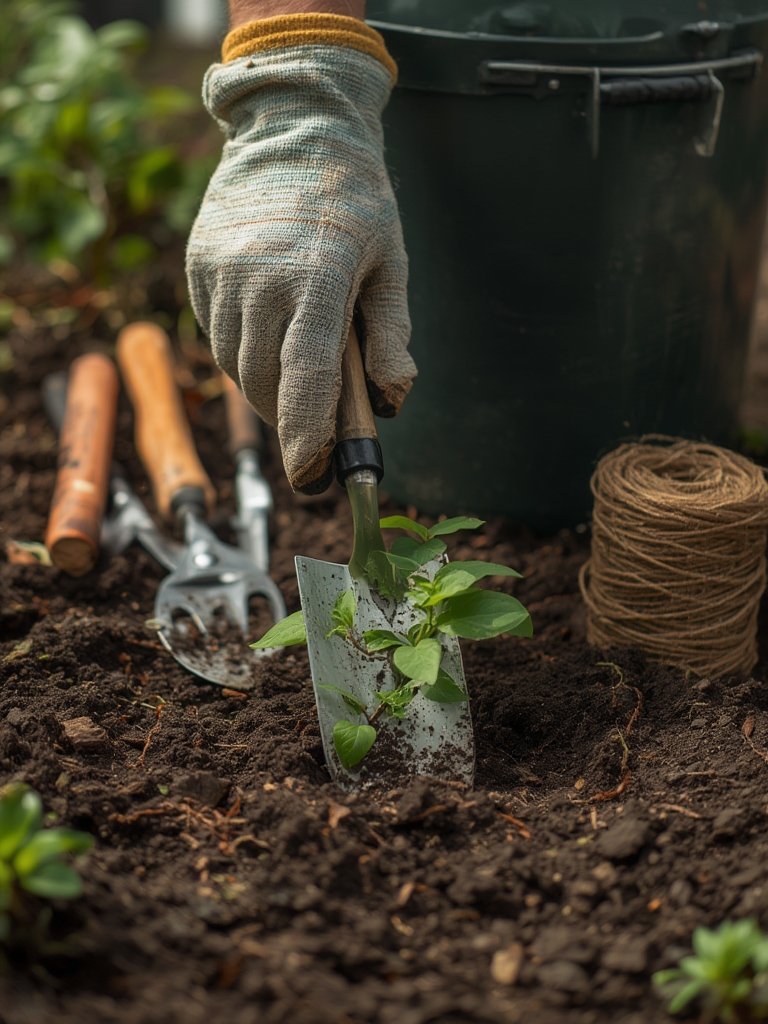
For small or urban spaces, consider foldable garden tools—they’re a great way to save storage and make gardening accessible.
To take sustainability even further, pair your new garden tools with sustainable outdoor furniture or set up raised garden beds made from recycled materials.
Advanced Analysis & Common Pitfalls
Eco friendly garden tools are not a magic bullet. Understanding market trends, product drawbacks, and real-life user frustrations equals smarter buying and less disappointment.
- Higher upfront costs. Many sustainable tools cost 15-35% more, mainly from certified materials and small-batch production. However, better durability often pays off over years of use [source].
- Durability can vary. Some cheaper “eco” products use lower-grade recycled plastics that crack, or untreated wood that is susceptible to rot if left wet. Always check ratings and avoid suspiciously low prices.
- Battery challenges. Battery-powered tools are great, but batteries lose capacity after 2-5 years, and old cells are often hard to recycle. Use platforms with battery recycling or exchange programs.
- Availability issues. In smaller towns, local stores may have few options. Shopping online from reputable brands or certified dealers is best, but watch for greenwashing.
- Maintenance overlooked. Users sometimes neglect to oil or sharpen hand tools, or store battery-powered gear indoors over winter, which shortens tool lifespan.
| Feature | Eco Friendly Tools | Conventional Tools |
|---|---|---|
| Material | Recycled steel, FSC-wood, bioplastics | Virgin plastic, non-certified wood, standard steel |
| Power Source | Manual, battery (rechargeable) | Gas, corded electric, manual |
| Emissions | Low/none | Medium to high (if gas-powered) |
| Upfront Cost | $$ | $ |
| Long-Term Value | High (if properly maintained) | Variable |
| End-of-Life Options | Recyclable, compostable, or return programs | Landfill, limited recycling |
For more on balancing eco goals with usability, browse our detailed guides on eco friendly kitchen storage and eco friendly small space furniture.
Conclusion
Eco friendly garden tools offer a real way to reduce environmental impact and keep your garden healthy, but they require up-front investment, mindful maintenance, and choosing proven brands and materials. Start by upgrading your most-used tools, pay attention to product life cycles, and always keep sustainability and function in balance. If you want your backyard to be as green as possible, now is the time to make the switch to eco friendly garden tools—and be sure to maintain them for years of sustainable gardening. Ready to get started? Explore our related guides or leave your questions below.
FAQ
Are eco friendly garden tools more expensive?
Yes, most sustainable tools cost more up front due to better materials and manufacturing. However, longer durability means you save money over time by avoiding frequent replacements. Learn more.
Which brands are known for quality eco friendly garden tools?
Top picks include Fiskars, Barebones, and Gardeners Supply Co. These brands focus on recycled content, ethical sourcing, and long-term value.
How do I maintain eco friendly tools to last longer?
Wipe clean after each use, dry thoroughly, apply a light oil to metal parts, store out of the elements, and keep blades sharpened. Good care can double the life of your tools.
Can I recycle or compost old garden tools?
Metal tools can be recycled at local scrap centers; wooden handles may be composted or disposed of as yard waste. Always check manufacturer guidelines for battery-powered tools.
Where can I dispose of broken tools responsibly?
Donate usable tools to community gardens or non-profits. Broken metal tools go to scrap recycling. Batteries should be disposed of in specialized recycling kiosks (often at hardware stores).
—