
Manual weeding tools are making a comeback among gardeners and homeowners seeking eco-friendly, precise weed control. Whether you want to protect flowerbeds or keep your vegetable patch healthy without chemicals, these tools offer control and sustainability that powered alternatives can’t always match. But there are common mistakes, and the right approach matters just as much as the tool itself.
Key Takeaways
- Manual weeding tools are growing in popularity, especially for those who want chemical-free gardening and targeted weed removal.
- Choose durable, ergonomic tools and use the right techniques to avoid frustration and prevent injury.
- Understand common pitfalls—like fragile handles and incomplete weed removal—to get the most value from your manual weeder.
- What Are Manual Weeding Tools and Why Use Them?
- How to Use Manual Weeding Tools: Step-by-Step
- Advanced Tips, Analysis & Common Pitfalls
- Conclusion & Next Steps
- Frequently Asked Questions
What Are Manual Weeding Tools and Why Use Them?
Manual weeding tools are handheld implements designed to pull or cut weeds at the root without the use of chemicals or electricity. Most manual weeders use either a pronged, forked, or blade edge to slice into the soil and remove unwanted plants—including roots—to minimize regrowth.
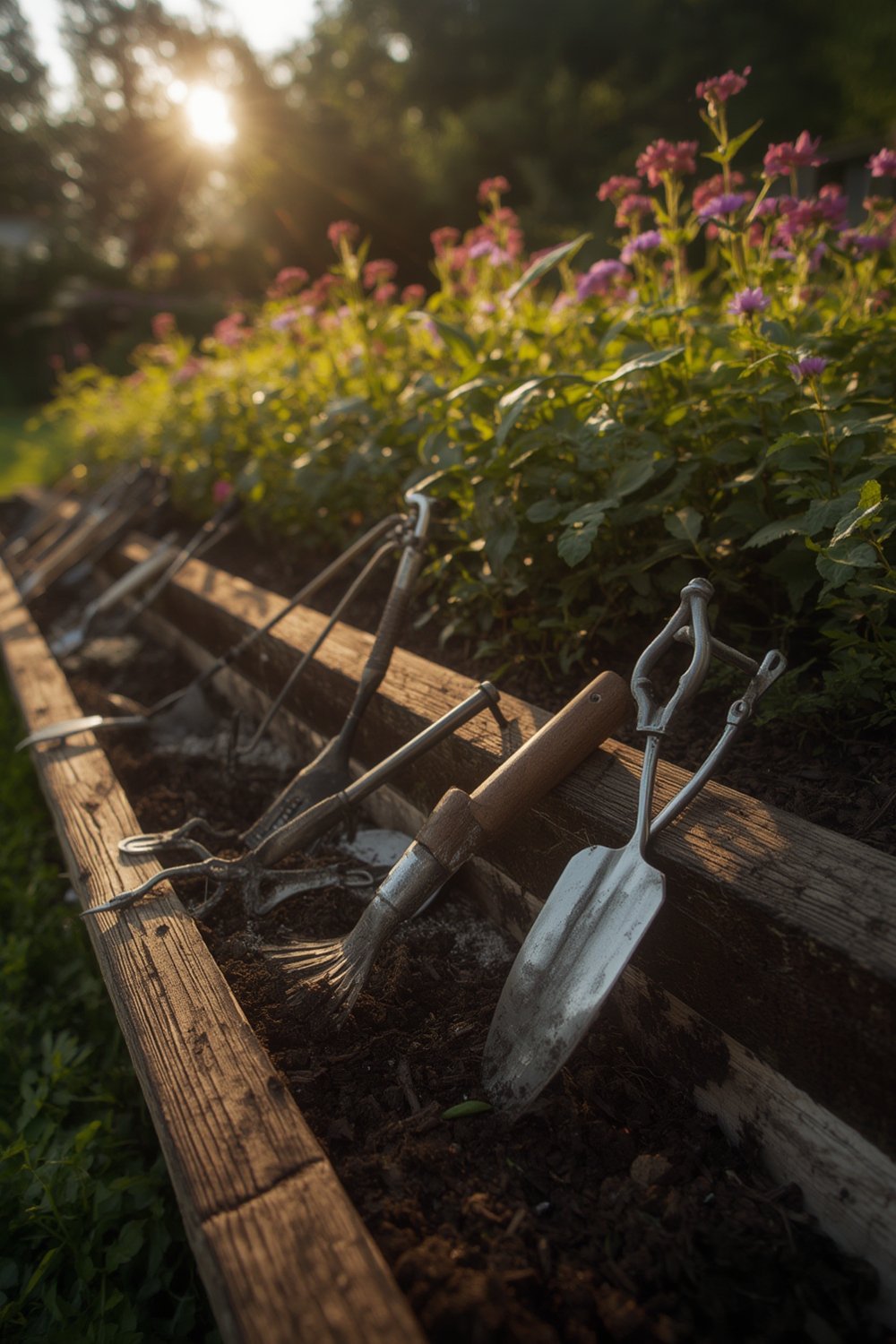
There’s a reason these tools are still trusted by gardeners, despite the rise of cordless garden tools and powered alternatives. With manual weeders, you get:
- Precision: Target specific weeds without harming nearby plants or soil microbes.
- Sustainability: No emissions, batteries, or recurring costs—just you and your garden.
- Soil Health: Unlike sprays, manual tools let you weed routinely while protecting beneficial worms and fungi.
The market for manual weeding tools is growing at a CAGR of nearly 10 percent through 2033, driven by increased interest in organic gardening, urban landscaping, and eco-friendly solutions.[2]
Hand weeders are especially valuable in raised beds and container gardens—read more about optimizing your garden setup in our Raised Garden Beds Guide.
Despite these benefits, manual weeding takes more physical effort and time than quick-solution sprays. However, it’s safer for children, pets, and the environment.[5]
How to Use Manual Weeding Tools: Step-by-Step
Not all weeding is equal. Getting the best results with manual tools depends on using the right approach—here’s how:
- Pick the Right Tool: Use a hand weeder with a forked tip for deep-rooted dandelions, or a hoe-style tool for surface weeds. [3]
- Work When the Soil is Moist: Weeding after rain or watering lets you pull roots more easily and with less breakage.
- Insert and Lever: Push the tool just behind the weed’s base, insert deep, and gently lever out the entire plant—root and all.
- Check for Fragments: Always inspect the hole for broken root pieces (especially for taproots) to prevent fast regrowth.
- Dispose or Compost: Collect weeds promptly, and consider composting them if free of seeds.
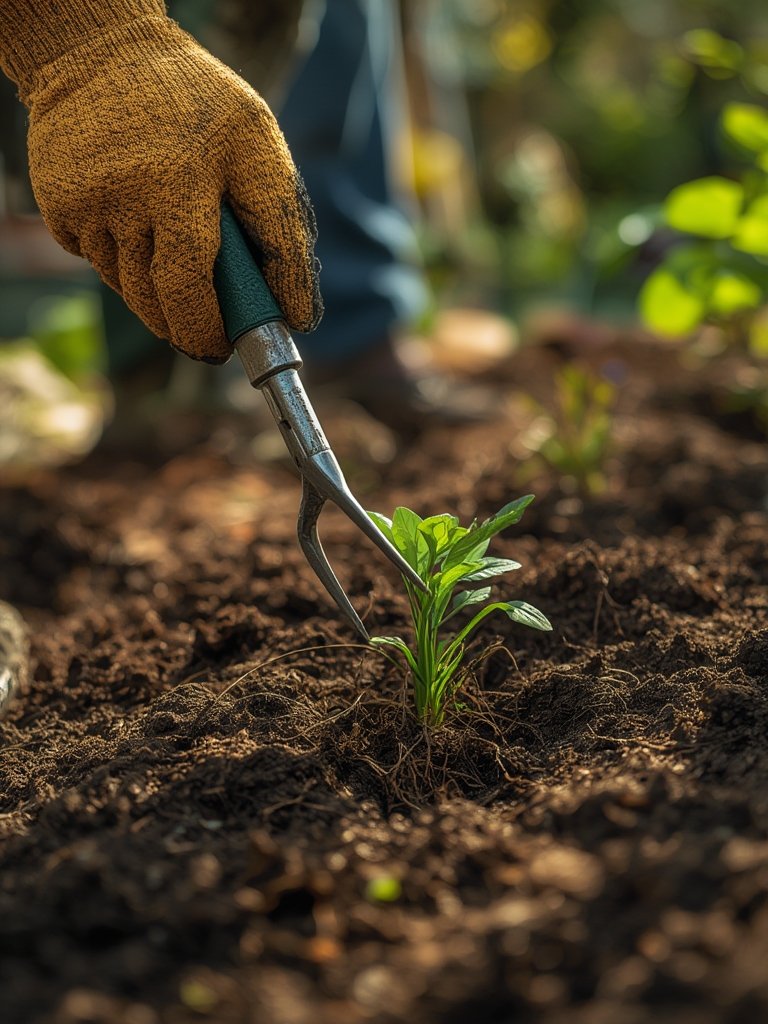
- Wear gloves to protect your hands from blisters—especially with metal or carbon steel handles.
- Alternate bending and squatting, or use a kneeling pad to reduce back strain.
- For large plots, break up weeding into short, regular sessions rather than tackling it all at once.
Manual weeding is also a good opportunity to “check in” on your soil’s health and spot other issues early.
If you’re renovating garden beds, consider pairing weeding with a sustainable outdoor furniture setup to create a relaxing, eco-friendly space.
Advanced Tips, Analysis & Common Pitfalls
According to market reports, the main customer complaints about manual weeding tools relate to fragile handles, poor weed release, and hand fatigue.[1] Below is a quick table showing the pros and cons compared to powered (electric) weeders.
| Aspect | Manual Weeding Tools | Electric Weed Pullers |
|---|---|---|
| Precision | Very High | Medium |
| Physical Effort Needed | High | Low |
| Root Removal Effectiveness | High (if used correctly) | Medium |
| Durability/Longevity | Variable; fragile handles common in cheap models | Higher, fewer moving parts break |
| Cost & Operating Expenses | Low, no electricity or batteries needed | Higher initial cost plus maintenance, power usage |
| Environmental Impact | Minimal | Includes production, batteries, or mains power |
| Skill/Technique Needed | Some practice required to minimize root breakage | Usually simple “point and pull” |
| Best For | Small beds, organic gardens, spot weeding | Large lawns, persistent infestations |
- Pitfall 1: Cheap Handles Break Easily. Choose stainless steel or reinforced wood over thin plastic or generic alloy.
- Pitfall 2: Weed Release Can Be Fiddly. A poorly designed release mechanism slows you down. Seek tools with a thumb-release or easy ejector, or check recent innovations.
- Pitfall 3: Incomplete Root Removal. If roots snap, weeds regrow. Take your time and use a tool designed for your local weed types. Learn about safer root removal.
- Pitfall 4: Ergonomics Matter. Repetitive weeding can strain wrists and knees. Look for padded or wide handles and consider tools with offset grips.
If you’re storing multiple garden tools, invest in a compact garage storage solution so equipment isn’t damaged or misplaced.
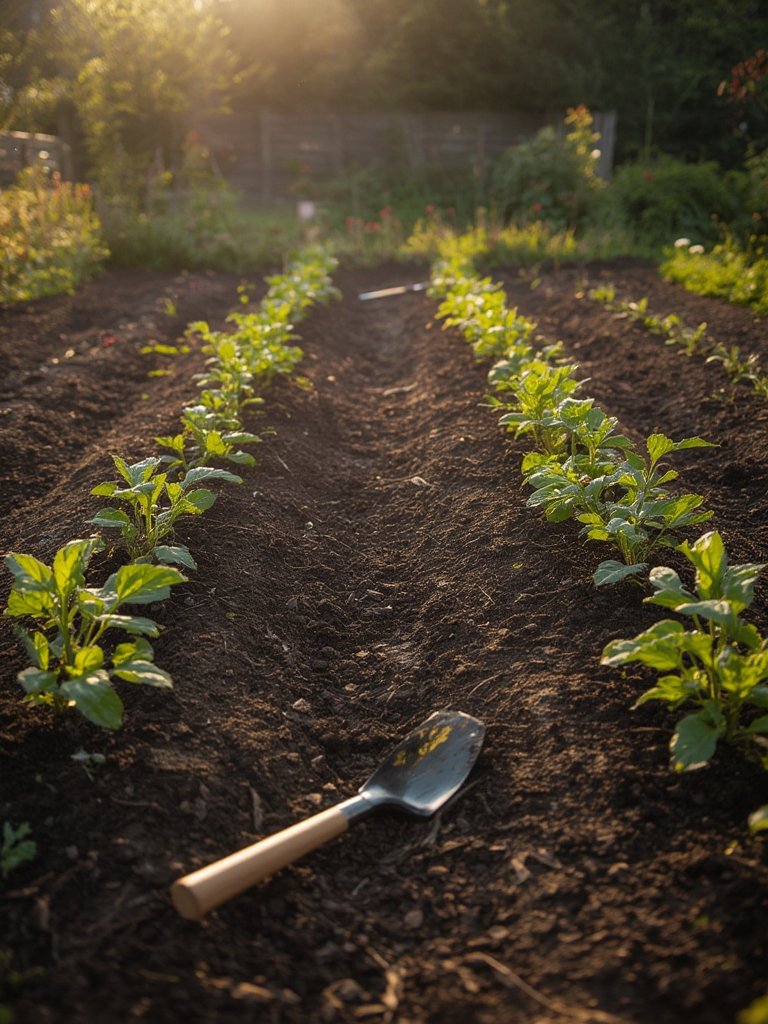
Remember, what works for small city gardens won’t always scale for multi-acre yards. For smaller spaces, tools like the compact garden fork or short-handled weeders may be ideal. For larger gardens, mix manual weeding with automated irrigation and mulching for best results.
Conclusion & Next Steps
Manual weeding tools are a smart, eco-friendly way to control weeds, protect pollinators, and build long-term soil health. The right tools—and the right methods—make all the difference. Watch out for fragile handles and inefficient weed-release designs, as these are the most common complaints among gardeners.[1]
Ready to upgrade your weed-control strategy and enjoy a chemical-free garden? Start by selecting manual weeding tools that fit your garden’s size and your comfort needs. Want more organization ideas? Check out our guides on garden tool storage organizer and garage storage racks for a truly tidy gardening experience.
For long-lasting results and fewer weeds, make manual weeding tools your go-to option for sustainable gardening.
Looking for the best ergonomic models, or need help storing your tools? Browse our in-depth guides or reach out with questions below.
Frequently Asked Questions
What are the most important features in a manual weeding tool?
Durability, ergonomic handles, and a design that matches your most common weed types. Stainless steel or reinforced wood handles outlast plastic. Ensure the tool fits your hand to minimize fatigue.
Are manual weeding tools better than chemical sprays?
Manual weeding tools target weeds without harming beneficial insects or soil health. They’re ideal for organic or pet-safe yards, but are more labor-intensive compared to sprays.
How do I store manual weeding tools to prevent rust or damage?
Hang tools on a garden tool storage organizer in a dry area. Clean after each use, and store metal parts away from moisture to prevent rust.
What’s the best time of day to use manual weeding tools?
Early morning or late afternoon, when the soil is moist and temperatures are cooler. Weeding after rain is ideal, as roots come out more cleanly.
Can I compost weeds pulled with a manual tool?
If the weeds haven’t set seed, yes. Let them dry before adding to your compost to prevent regrowth.