
### Blog Post:
Foldable outdoor furniture is fast becoming the go-to solution for anyone looking to maximize versatility and comfort in small patios, balconies, or improvised backyard retreats. As lifestyles shift in 2024, practicality and adaptability have propelled foldable pieces into the spotlight—yet choosing the right option comes with real challenges.
Key Takeaways
- foldable outdoor furniture delivers space-saving flexibility, but durability and comfort vary widely by material and design.
- Aluminum and resin frames are currently the most reliable, weather-resistant options for long-term use outdoors.
- Smart shopping requires knowing common pitfalls, like weak hinges or uncomfortable seating, and understanding how to maintain each material type.
- What Is Foldable Outdoor Furniture & Why Choose It?
- How to Choose & Use Foldable Outdoor Furniture (Step-by-Step)
- Advanced Analysis & Common Pitfalls
- Conclusion
- Frequently Asked Questions
What Is Foldable Outdoor Furniture & Why Choose It?
Foldable outdoor furniture refers to chairs, tables, loungers, or benches specifically designed to collapse for easier storage and portability. Unlike traditional patio sets, these pieces help you reclaim precious space on small balconies, decks, or gardens—ideal for urban living or flexible outdoor entertaining. The post-pandemic shift towards home improvement and backyard experiences has boosted adoption, with more people seeking solutions that adapt to both solitude and gatherings.
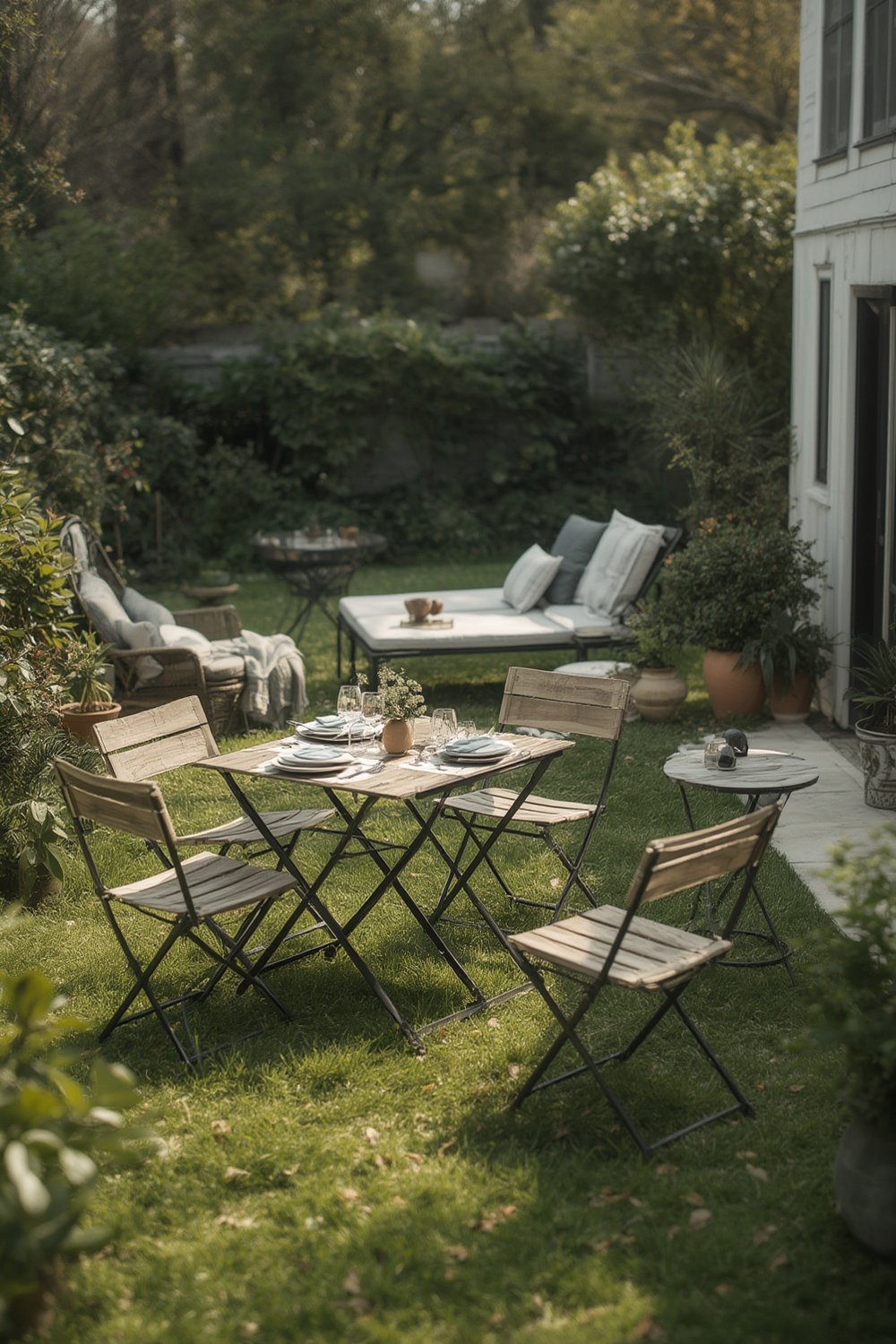
The 2025 outdoor furniture market analysis projects strong growth, citing ongoing demand for multipurpose, stowable pieces in developed countries (source). Designs now blur the line between indoor comfort and outdoor durability, giving renters and home-owners more creative freedom. Materials like aluminum, resin, or rattan ensure lightweight strength and easy maintenance, while collections are increasingly focusing on sustainable practices and refined aesthetics (source).
For a deeper perspective on adaptable furniture for modern city living, check out our guide on folding furniture for small spaces and explore how these trends reshape home and outdoor comfort.
How to Choose & Use Foldable Outdoor Furniture (Step-by-Step)
Ready to upgrade or start fresh? Here’s a realistic, actionable process for selecting and caring for foldable outdoor furniture, whether for daily use, occasional gatherings, or compact storage:
- Assess Your Space & Needs:
- Measure your available outdoor area—account for walkways and doors to avoid crowding once unfolded.
- Decide whether you’ll prioritize lounging comfort, dining, or occasional extra seating. This narrows your options.
- If you need sustainable or weatherproof choices, see our detailed tips on sustainable outdoor furniture.
- Compare Material Quality:
- Aluminum: Lightweight, rust-resistant, and ideal for wet or coastal areas. Cast aluminum adds strength, but costs more. (more info)
- Resin & Polypropylene: Affordable, fade-resistant, and impervious to moisture or pests.
- Rattan & Synthetic Wicker: Stylish, but check for metal reinforcements in frames and ensure surfaces are UV-treated for outdoor exposure.
- Test the Design for Comfort & Stability:
- Prioritize models with wide seats and contoured backs.
- Look for reinforced hinges and locking mechanisms; many break with heavy or repeated use.
- Bring your own cushion for a quick test—it’s often the fastest comfort upgrade. Or add a cushion, or pick chairs with ergonomic designs.
- Understand Storage & Portability:
- Choose pieces with carry handles or stackable designs if you’ll be moving them often.
- Want a full all-weather upgrade? Consider waterproof outdoor furniture covers for off-season protection—see our guide on outdoor furniture covers.
- Follow a Maintenance Plan:
- Wipe away dirt and debris weekly to prevent wear, check hinges and bolts each season, and touch up scratches to stop corrosion.
- Check out our advice on weather resistant outdoor furniture for more specialized care tips.
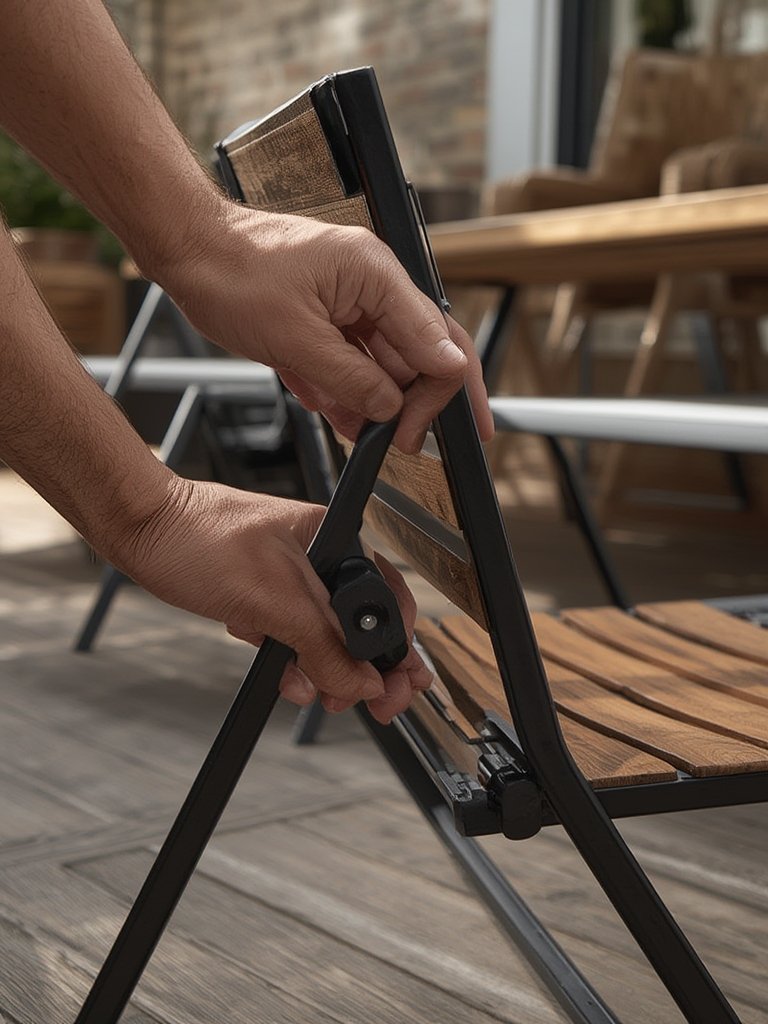
If possible, buy from a brand with a proven warranty and clear assembly instructions. Return policies are especially important for online purchases, as misaligned hinges or comfort issues can be hard to spot in photos.
Considering sustainability? Modern foldable options come in eco-friendly bamboo or recycled plastics—see our tips in this eco friendly outdoor furniture guide for top picks and maintenance tips. If you want to incorporate modularity or stackability indoors, modular living systems are also expanding—learn more in our multi functional furniture guide.
Advanced Analysis & Common Pitfalls
With foldable outdoor furniture’s rising popularity, so have complaints about weak frames, awkward seating, and confusing assembly. Here’s a deeper look at common pitfalls—plus a side-by-side material comparison for smarter buyers:
| Material | Pros | Cons |
|---|---|---|
| Aluminum | Lightweight, rustproof, dent-resistant, easy to move | Can feel less solid; thin frames may wobble over time |
| Resin/Polypropylene | Low-cost, fade-resistant, low maintenance, moisture-proof | Usually supports less weight; budget models may crack |
| Rattan/Wicker | Stylish, blends with nature, comfy with cushions | Requires UV protection; natural rattan not fully weatherproof |
| Stainless Steel | Strong and durable for frame parts | Gets hot in sun, heavy to move, expensive |
- Hinge Failures: Weak or poorly constructed hinges are the #1 cause of breakage. Always check customer reviews for complaints about mechanisms sticking, bending, or coming loose within months.
- Uncomfortable Seating: Thin seat panels may dig into legs or back, especially if weight isn’t well-supported. Always add a cushion, or pick chairs with ergonomic designs.
- Assembly Problems: Some models come with vague instructions or missing hardware—set aside extra time and always check what’s inside the box before starting.
- Weather Damage: Not all “outdoor” furniture survives long-term UV, rain, or frost. Look for materials specifically rated for outdoor use and avoid exposing fabric or wood versions to the elements without proper care.

Conclusion
The future of outdoor living is adaptable, compact, and stylish. Yet, even the best foldable outdoor furniture has trade-offs—think comfort, long-term reliability, and ease of maintenance. By choosing reliable materials like aluminum or resin, testing comfort in person, and using simple care hacks, you’ll make the most of your investment year-round.
Want more ideas for maximizing every square foot outside and in? Dive deeper into small patio furniture strategies and sustainable upgrades. Start your search for the best foldable outdoor furniture now, and transform your backyard or balcony into your favorite place to unwind. If you’re an eco-conscious shopper, don’t miss our guides to sustainable and eco friendly outdoor furniture for the full spectrum of options.
Frequently Asked Questions
Is foldable outdoor furniture as sturdy as traditional patio furniture?
Premium foldable outdoor furniture made from aluminum or resin frames can rival traditional options for stability and weather resistance. Ultra-light or budget models can wobble and are more prone to hinge failures, so research and read reviews before buying.
How do I prevent rust or sticking in foldable chair hinges?
Apply a silicone-based spray to all folding joints at the start and end of each season. Store furniture in a dry, sheltered spot during prolonged rain or winter months to extend hinge life.
What types of cushions or accessories work best with foldable outdoor chairs?
Look for thin, water-resistant cushions with ties that won’t interfere with folding. Removable, washable covers are best for easy care and fast drying after rain or spills.
Can foldable outdoor furniture be left outside year-round?
Some aluminum and resin models are rated for all-weather use. For maximum lifespan, invest in protective covers and store furniture during harsh winters or storms. Natural wicker or wood pieces should always be stored indoors off-season.
Are foldable tables and chairs suitable for small spaces indoors?
Absolutely. Many foldable outdoor pieces transition seamlessly indoors—ideal for apartment balconies, craft rooms, or as guest seating. Modular and stackable furniture is especially useful in these settings. See our folding furniture guide for more tips.
—