

Laundry room organizers are transforming cluttered utility spaces into efficient, attractive hubs—and if your laundry room still feels chaotic, you’re missing out on a game-changing home upgrade.
Key Takeaways
- The global laundry room organizers market is growing rapidly, driven by smaller living spaces and demand for functional storage.
- Organizational success hinges on selecting the right storage solutions for your room’s size and your household’s routines.
- Addressing pitfalls—like poor material choices and neglected safety—sets apart a truly functional laundry space.
- What Makes Laundry Room Organizers Essential?
- Step-by-Step Guide: Organizing Any Laundry Room
- Advanced Analysis & Common Pitfalls
- Conclusion & Next Steps
- Frequently Asked Questions
What Makes Laundry Room Organizers Essential?
Laundry room organizers aren’t just baskets and shelves. They are a strategic response to real-world problems: shrinking urban homes, rising household demands, and the need to eliminate wasted time shuffling piles of clothes or hunting down supplies. According to recent market data, the global laundry room accessories market is projected to reach $4.2 billion by 2033 (7% CAGR), fueled by increasing urbanization and the need for space-efficient solutions.
Compact shelving, wall-mounted shelves, and modular systems enable you to maximize every inch—turning even a closet-sized laundry corner into a usable, visually tidy space. Major brands like Samsung and LG are also integrating smart tech into laundry accessories, offering notifications and real-time tracking of cycles and supply levels. Whether you live in a modern city apartment or a family home, the right organizing solutions will elevate your daily routine, reduce stress, and minimize clutter long-term.
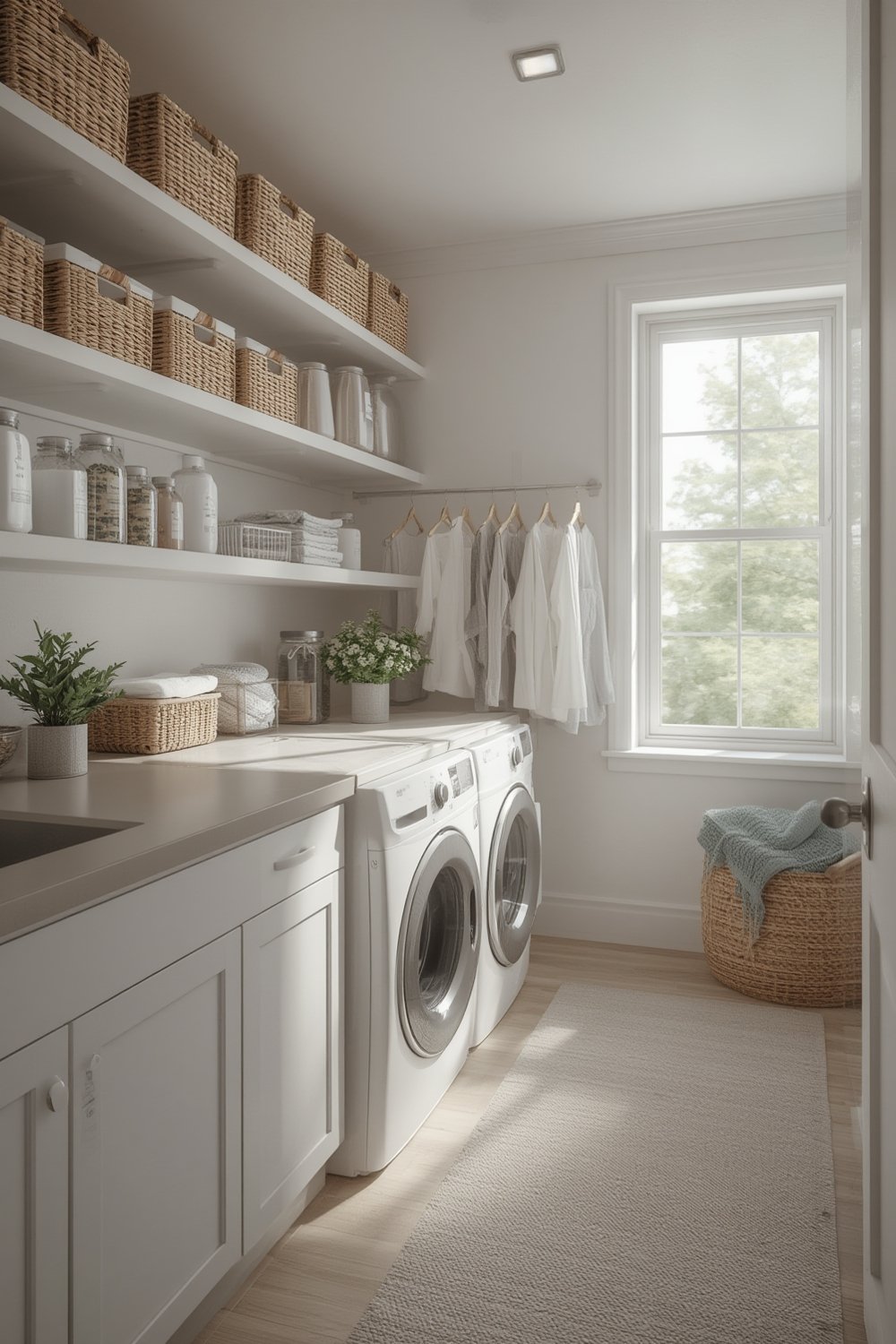
Step-by-Step Guide: Organizing Any Laundry Room
To get the best results, follow this sequence to choose, install, and optimize laundry room organizers tailored to your space and needs:
-
Assess Your Space and Needs
- Measure every dimension—height, width, depth, and note irregularities like water lines or vents.
- List pain points: Where do supplies pile up? Where do clothes get stuck? Are you constantly missing a spot to hang-dry?
-
Map Out Zones
- Define clear areas for sorting, washing, folding, ironing, and storage—even in the smallest rooms, vertical zones can help.
-
Choose Organizers for Each Need
- For supplies: wall shelves, clear storage bins, under-shelf baskets. Consider stackable pantry bins for visibility.
- For sorting: color-coded hampers or sorting trays.
- For drying: a fold-away drying rack or retractable clothesline.
- For folding: a wall-mounted fold-down table.
-
Install Safely and Securely
- Follow all manufacturer instructions for installation—especially for wall-mounted shelves or cabinets. Use wall anchors if attaching to drywall. Confirm load limits before filling up racks.
- If you are a renter or want flexibility, opt for non-permanent, adjustable organizers.
-
Label and Maintain
- Label containers so everyone in the household can find (and return) supplies easily.
- Schedule a monthly cleanup to remove empty bottles, lint, and stray socks hiding behind machines.
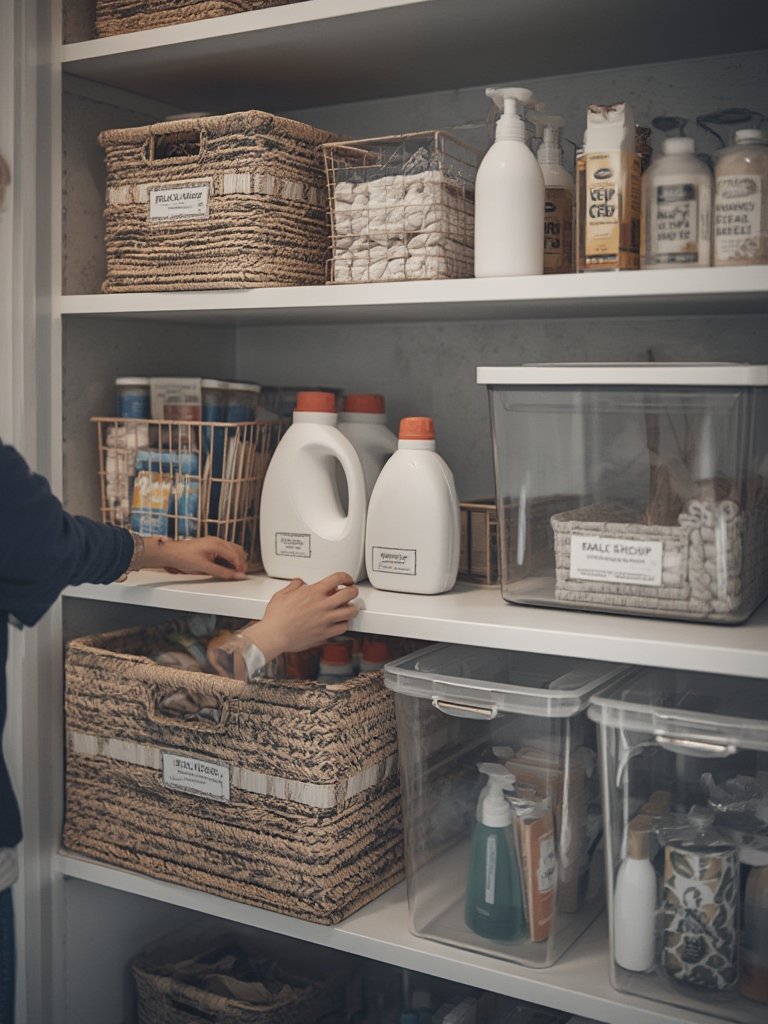
For extra tuning, consider modular drawer inserts—such as the options detailed in our drawer organizer inserts guide—to streamline smaller supply storage. If you’re updating other areas, strategies used in closet storage systems can also apply in the laundry zone.
Finishing touch: add a plush rug or textured bench to soften the space. Cozy elements, like a plush headboard or boucle accent in nearby rooms, can sharpen your home’s unified style while encouraging neatness.
Advanced Analysis & Common Pitfalls
While laundry room organizers promise efficient spaces, many buyers encounter hidden traps and frustration. Here’s how to avoid the most common pitfalls—plus a table comparing core organizer types by durability and cleaning ease:
- Underestimating Load Limits: Overloading shelves—especially wall-mounted units—can cause sagging or wall damage. Confirm the weight rating before storing heavy detergent bottles or appliances.
- Poor Material Choices: In humid laundry areas, plastic may warp; cheap metal may rust. Although comparative testing data is limited, market research confirms that wood, metal, and plastic organizers all have distinct pros and cons.
- Ignoring Safety: Skipping anchors or braces or contorting electrical cords around shelves can be dangerous. If in doubt, consult a professional or use freestanding units.
- Neglecting Usability: Complicated labeling or inaccessible bins deter family members from staying organized. Choose simple systems over ones that look good but aren’t practical.
| Material | Durability | Cost-Effectiveness | Best For | Cleaning & Maintenance |
|---|---|---|---|---|
| Metal (steel, aluminum) | High; supports heavy items; may rust if not powder-coated | Moderate to high (long-term investment) | Heavy bottles, appliances, long shelf life | Wipe clean; check for rust in high humidity |
| Plastic (HDPE, polypropylene) | Good; resists water and mold; may warp under heavy weight | Affordable short- to medium-term | Light supplies, baskets, bins | Dishwasher or hand-wash safe |
| Wood (solid or engineered) | Variable; can warp with moisture unless sealed | Ranges from budget to premium | Decorative shelving, open storage | Dust and treat with wood oil; avoid standing water |
It’s worth noting that most negative reviews found elsewhere mention cheap hardware, unclear installation instructions, or organizer pieces that don’t fit together as promised. If your project involves wall-mounting, always follow the safest approach—even professional installers sometimes cut corners, so when in doubt, check manufacturer documentation or seek local advice.
For inspiration on organizing other high-traffic spaces, see our deep dives on bathroom storage organizers and garage storage racks.
Conclusion & Next Steps
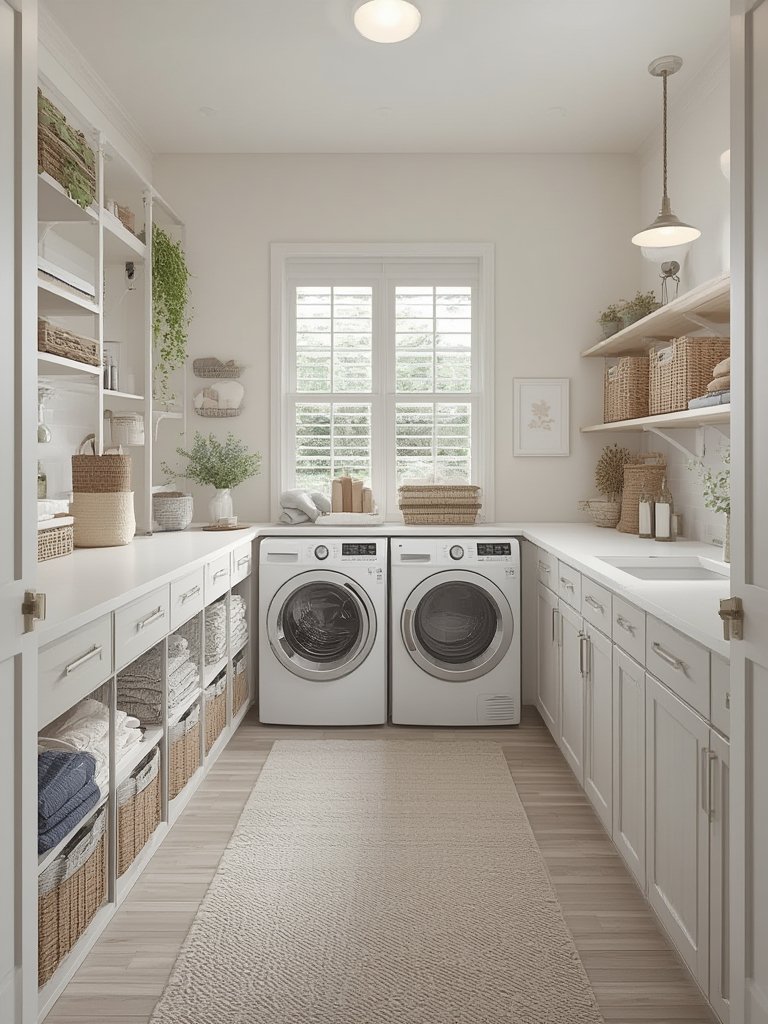
Laundry room organizers are not a one-size-fits-all solution: your best results come from matching organizers to the unique constraints of your room and your routines. Balance aesthetics with function, and don’t forget safety during installation. By investing a little thought and the right storage tools, you can transform laundry day from mess to streamlined efficiency. Upgrade your space today—discover the latest laundry room organizers and bring calm to your everyday routine.
Ready for a home refresh? Start with your laundry room and explore more organization tips on Tidy Up Quick.
Frequently Asked Questions
How do I organize a very small laundry room?
Use vertical storage (wall shelves, hooks, over-the-door racks) and multipurpose baskets. Declutter supplies to only what you use often. Consider compact, stackable solutions and avoid overcrowding the floor space.
Are wall-mounted laundry organizers safe on drywall?
If installed with proper anchors rated for your wall type and weight, they are safe. Always follow manufacturer recommendations and never exceed load limits, especially with heavy detergent bottles.
Which materials last longest in humid laundry rooms?
Powder-coated metal and high-quality plastic both resist moisture well. Avoid untreated wood unless sealed, as it can warp or mold over time.
Can I use kitchen or pantry organizers in the laundry room?
Yes, many kitchen or pantry bins, stackable baskets, and shelving units work perfectly in laundry spaces. Check for moisture resistance and easy-to-clean designs.
What’s the best way to keep the laundry room tidy long-term?
Label each storage bin, keep only daily-use supplies visible, and do a quick clean and restock each month to avoid clutter buildup.