### Blog Post:
Outdoor lounge chairs can make or break your backyard, balcony, or poolside retreat. They’re not just for looks — comfort, durability, and style all count. The best outdoor lounge chairs can quickly become your favorite spot to unwind. But, before you buy, it’s critical to know what really works for different needs and outdoor spaces.
Key Takeaways
- Aluminum and HDPE options leading for durability and low maintenance.
- Common complaints include uncomfortable cushions and poor weather resistance — knowing the materials matters.
- Choose based on space, climate, and comfort — not just style. Investing wisely extends both comfort and chair lifespan.
- Understanding Outdoor Lounge Chairs
- How to Select and Care for Outdoor Lounge Chairs
- Advanced Analysis & Common Pitfalls
- Conclusion
- FAQs about Outdoor Lounge Chairs
Understanding Outdoor Lounge Chairs
Outdoor lounge chairs are made for relaxation outside. These aren’t your basic patio chairs — they’re built for stretching out, reading, sunbathing, or enjoying a long conversation. Their defining features are extended seats, reclining options, and often padded cushions. But there’s a lot more that goes into picking the right one, especially since the global market is growing over 5% annually, with wood, aluminum, and HDPE being the most favored materials.
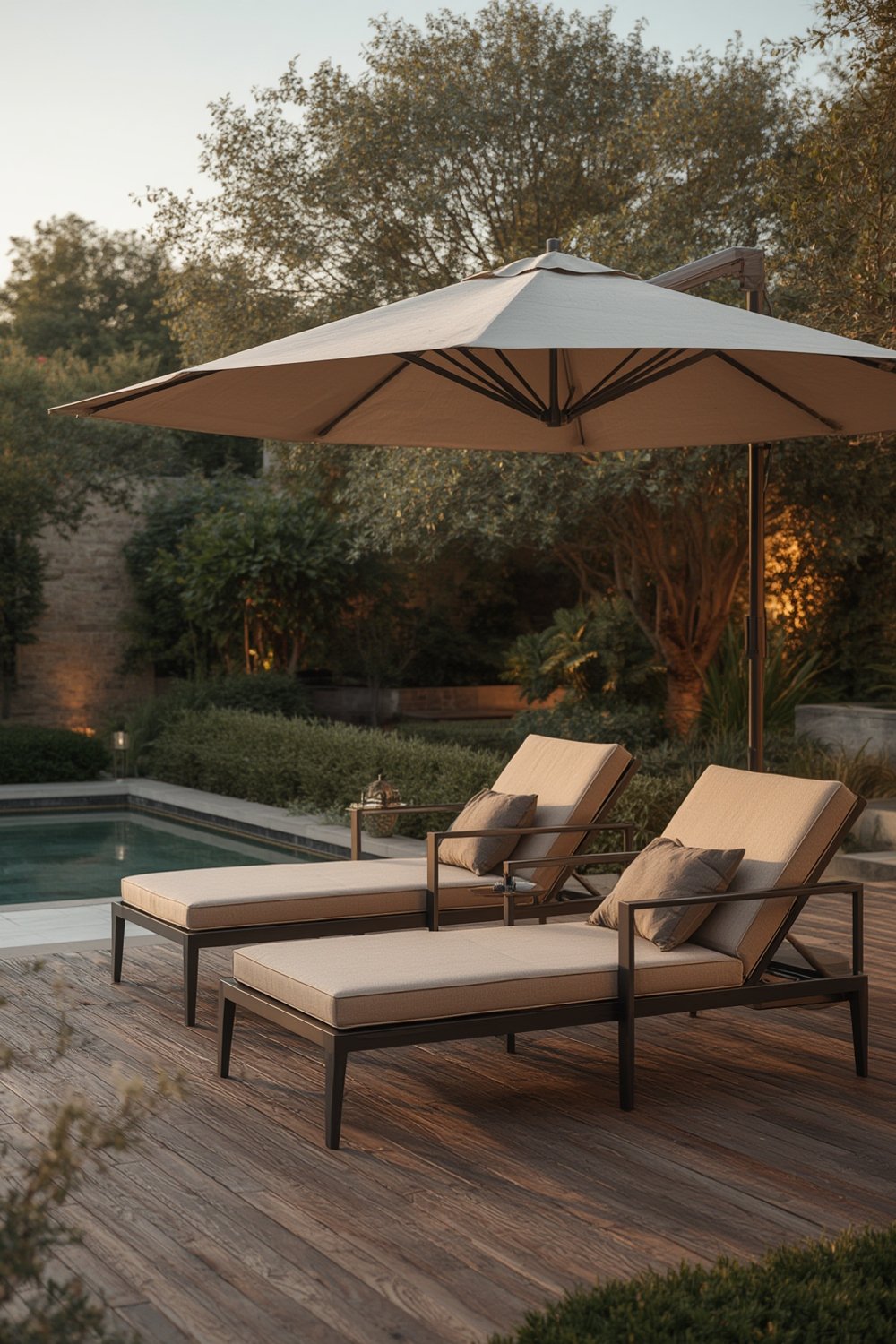
Why does this matter? Not all materials perform equally outside. Aluminum and HDPE resins stand up best to weather, while wood needs more maintenance. Buying based just on looks can leave you with fading, rust, or splinters by summer’s end. Also, consider how the chair fits into your overall outdoor setup. Pieces like sustainable outdoor furniture and right-sized small patio furniture can maximize comfort and efficient use of space.
The drive for “outdoor living rooms” has increased demand for plush and stylish seating outdoors, much like the “cozy luxury” trend in bedroom furniture seen indoors. Still, weather resistance, storage, and cleaning requirements can make or break your satisfaction with lounge chairs.
How to Select and Care for Outdoor Lounge Chairs
Choosing and maintaining outdoor lounge chairs doesn’t have to be daunting. With a practical, step-by-step approach, you’ll avoid costly mistakes and end up with furniture that looks good and lasts.
-
Measure Your Outdoor Area
Make sure the chair fits with space to walk around it. For compact balconies, look at stacking or folding models. Check out modular outdoor furniture if you want flexibility for group seating or solo lounging. -
Select the Best Material
Aluminum and HDPE resin are low-maintenance and handle rain and sun well. Wood (like teak or eucalyptus) offers natural beauty but needs regular oiling and protection. Materials like inexpensive plastic may fade or break down. -
Assess Cushion Quality
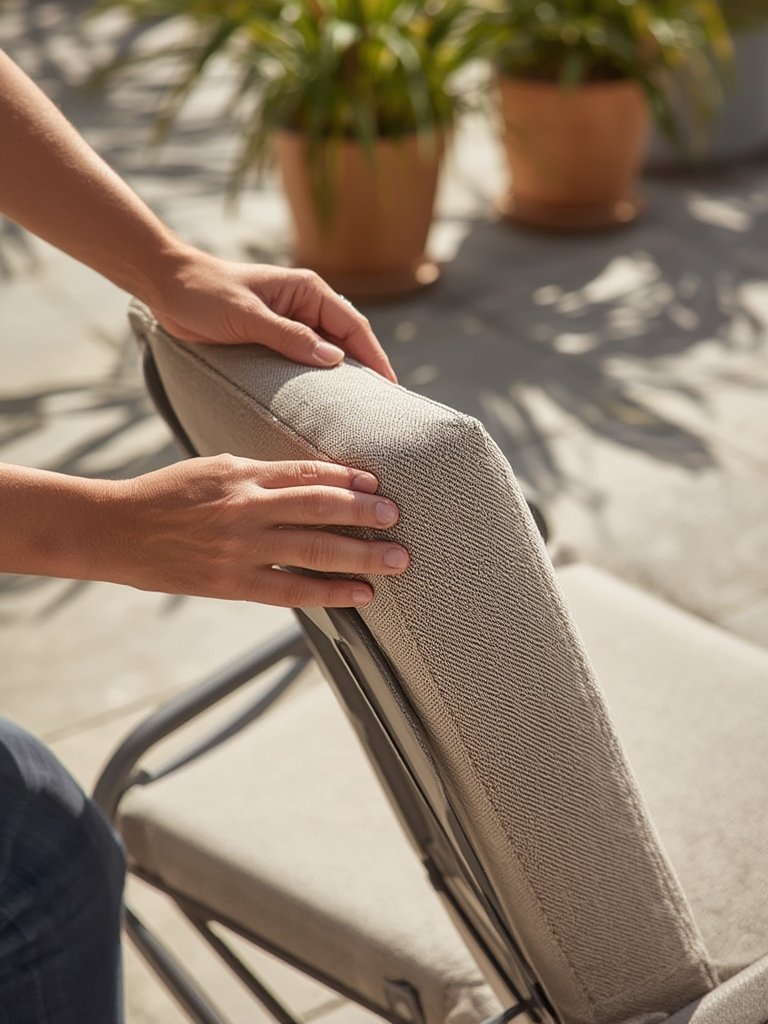
Removable, quick-dry, and UV-resistant cushions hold up best outdoors. Look for covers with strong seams and high-density foam for structure. Always bring cushions inside or store them in a protected bin during storms or winter.
Outdoor furniture covers help prevent mold, mildew, and sun bleaching. -
Check Adjustability and Weight
Adjustable backrests let you recline or sit upright. Wheels make it easier to move your chair as the sun shifts or for storage. Test weight relative to your needs: heavier models are stable in wind, while lighter chairs are easier to rearrange. -
Maintenance Routine
Clean regularly with mild soap and water, especially after pollen season. Use a soft brush or cloth to avoid scratching the frame. For wood, reapply sealant or oil as required. Stack or cover chairs when not in use, especially in harsh climates.
For extra long life, buy from trusted brands and check warranty and return policies. A chair with a three-year warranty offers more peace of mind than a no-name deal that falls apart after one season.
You can further enhance your outdoor space by adding items like a smart bird feeder, blending technology with comfort for a more enjoyable garden or patio.
Advanced Analysis & Common Pitfalls
Even high-quality lounge chairs can present challenges over time. The main issues buyers report are discomfort from thin cushions, material breakdown, wobble, and fading from sun exposure. Here’s a side-by-side comparison to help avoid these common mistakes:
| Material | Pros | Cons | Best For |
|---|---|---|---|
| Aluminum | Rust-resistant, lightweight, easy-care | Can heat up in direct sun, prone to scratches | Most climates, poolside |
| HDPE Resin | Won’t rust or rot, colorfast, strong in sun/snow | Can look less “premium” than wood, heavy to move | Year-round, low-maintenance yards |
| Wood (Teak/Eucalyptus) | Rich appearance, ages well with care | High maintenance, can splinter, expensive | Luxury patios, covered spaces |
| Plastic | Inexpensive, lightweight, many colors | Fades, cracks, stains easily | Kids’ areas, budget setups |
Durability ratings often vary, even among chairs with similar price tags. According to industry analysis, North America prioritizes premium garden and patio furniture, while comfort and weather resistance remain top purchase priorities. Still, even the best-reviewed chairs can disappoint if used in the wrong setting or not stored properly.
Plan for the following pitfalls:
- Ignoring size: A too-large chair crowds small patios. Too small, and comfort suffers. Choose carefully for your space.
- Skimping on covers: Weatherproof covers prevent mold, fading, and corrosion, especially in humid or snowy climates.
- Neglecting sustainable choices: Bamboo and recycled resin options now rival traditional materials for comfort. Learn more in our eco friendly outdoor furniture guide.
If you want weather-specific help, find our guide to weather resistant outdoor furniture.
Conclusion
Choosing outdoor lounge chairs isn’t just about picking the prettiest design. The right material, fit for your space, and quality of cushions make all the difference for years of comfort outside. Take the time to review your options, and don’t forget the value of proper care and weather protection. Ready to upgrade your relaxation? Start with the right outdoor lounge chairs and enjoy your outdoor haven in every season.
For more practical tips on optimizing your outdoor space, browse our guides on modular outdoor furniture and eco friendly storage solutions.
FAQs about Outdoor Lounge Chairs
What’s the best material for all-weather outdoor lounge chairs?
Aluminum and HDPE resin are the best choices for year-round weather resistance. They’re low-maintenance, don’t rust or rot, and handle sun, rain, and snow better than most wood or plastic styles.
How can I stop my outdoor lounge chair cushions from getting moldy or faded?
Use quick-dry, UV-resistant fabrics, and always store cushions in a dry place or in a weatherproof container when not in use. Consider protective covers for extended periods of rain or when temperatures drop.
Are expensive outdoor lounge chairs really worth it?
Higher price usually means better material, workmanship, and warranty. If longevity and comfort are priorities, it pays to invest in a reputable brand. Cheap chairs may need early replacement.
Can I use indoor lounge chairs outside?
No. Indoor chairs typically lack weatherproof materials and fasteners. They will break down quickly if left outside, even if undercover.
What else should I consider to make my outdoor space more functional?
Pair lounge chairs with outdoor dining sets or add weatherproof storage, like a side table with hidden compartments. Smart bird feeders can also make your patio more inviting.
—