
### Blog Post:
Electric hedge trimmer demand is surging in 2024 as homeowners and pros switch to Battery-powered electric hedge trimmers for faster hedge maintenance and quieter operation. These trimmers are transforming garden work, but users face a unique set of benefits and challenges. This guide shares actionable insights, mistakes to avoid, and pro hacks for getting the most from your electric hedge trimmer investment.
Key Takeaways
- Battery-powered electric hedge trimmers now make up over 70% of sales, offering cordless convenience and lower noise levels.
- Battery life and upfront costs are top complaints—be prepared for charging downtime and a higher initial price.
- Correct technique, routine blade care, and safety checks are vital for efficient, safe use and longer tool life.
- What Makes Electric Hedge Trimmers Essential in 2024?
- How to Use an Electric Hedge Trimmer: Step-by-Step Guide
- Advanced Analysis & Common Pitfalls
- Conclusion
- FAQ: Electric Hedge Trimmer
What Makes Electric Hedge Trimmers Essential in 2024?
Electric hedge trimmers are powered cutting tools designed to keep hedges, shrubs, and garden borders neat with minimal physical effort. Their popularity has exploded due to improved battery runtimes, quieter operation, and environmental regulations that favor low-emission landscaping tools.
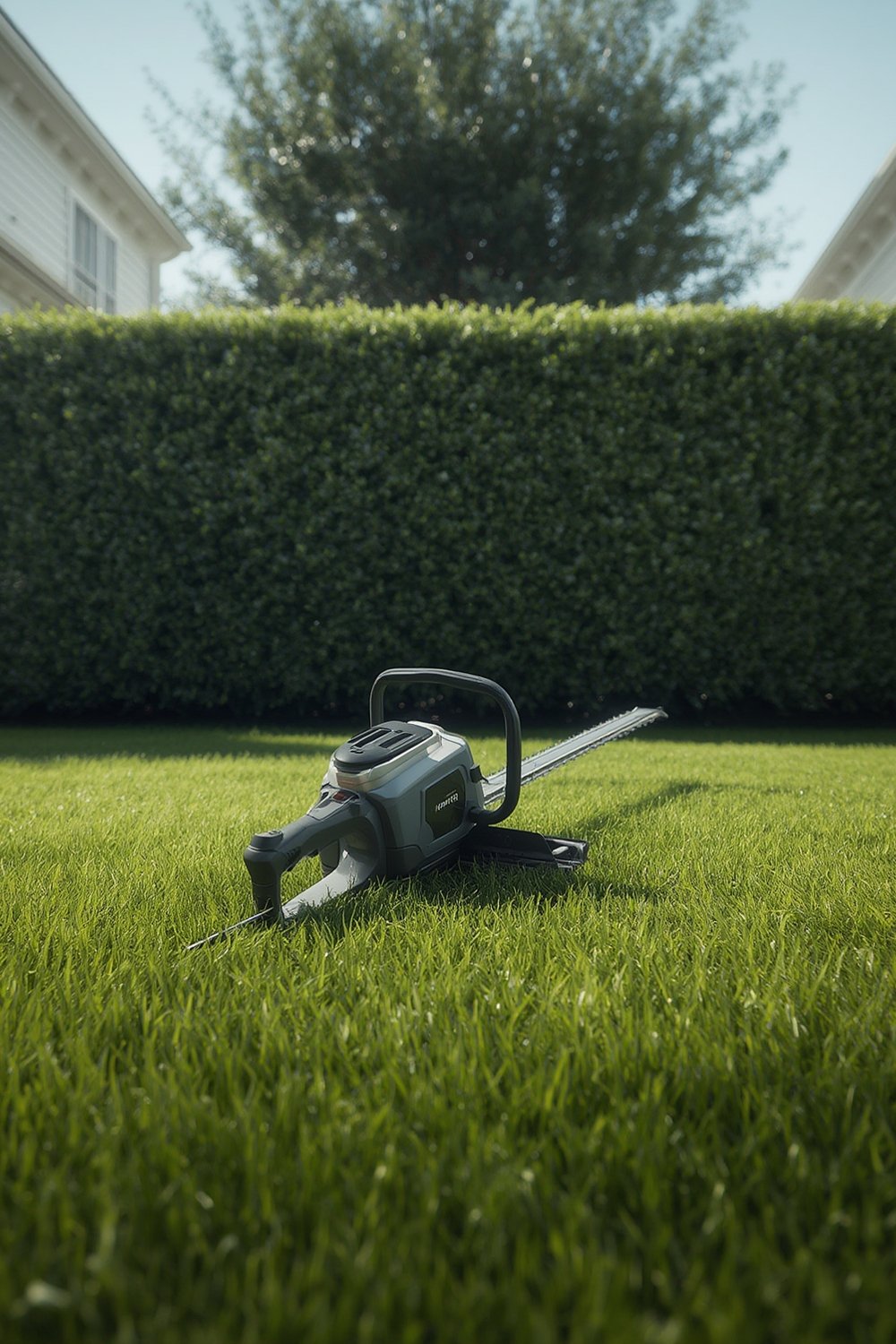
For both suburban homeowners and landscape professionals, the value is clear: electric hedge trimmers slash working times, deliver cleaner cuts, and weigh less than gas models. Cordless technology now dominates, capturing over 70% of the market (see market trends). You no longer need to wrestle with extension cords across long hedges or worry about gas fumes.
Beyond traditional gardening, electric hedge trimmers fit well in a broader movement toward smart, sustainable home solutions. For those who love innovative yard gadgets, exploring options like a smart bird feeder or upgrading with sustainable outdoor furniture can further enhance your outdoor experience.
How to Use an Electric Hedge Trimmer: Step-by-Step Guide
Using an electric hedge trimmer is straightforward, but efficiency and safety come with the right preparation and routine. Here’s a practical, no-nonsense approach to getting perfect results every time.
- Inspect and Prep the Tool
– Check that the blades are sharp and free of damage.
– Examine the battery charge or cord (if corded).
– Bolt on safety guards. - Survey Your Hedge
– Remove stones, wires, or debris in and around the hedge.
– Plan your path: start at the bottom, work upward, and trim sides last for clean lines. - Dress Appropriately
– Wear gloves, nonslip shoes, and safety goggles—flying twigs can sting or injure. - Power Up Safely
– Engage the safety catch.
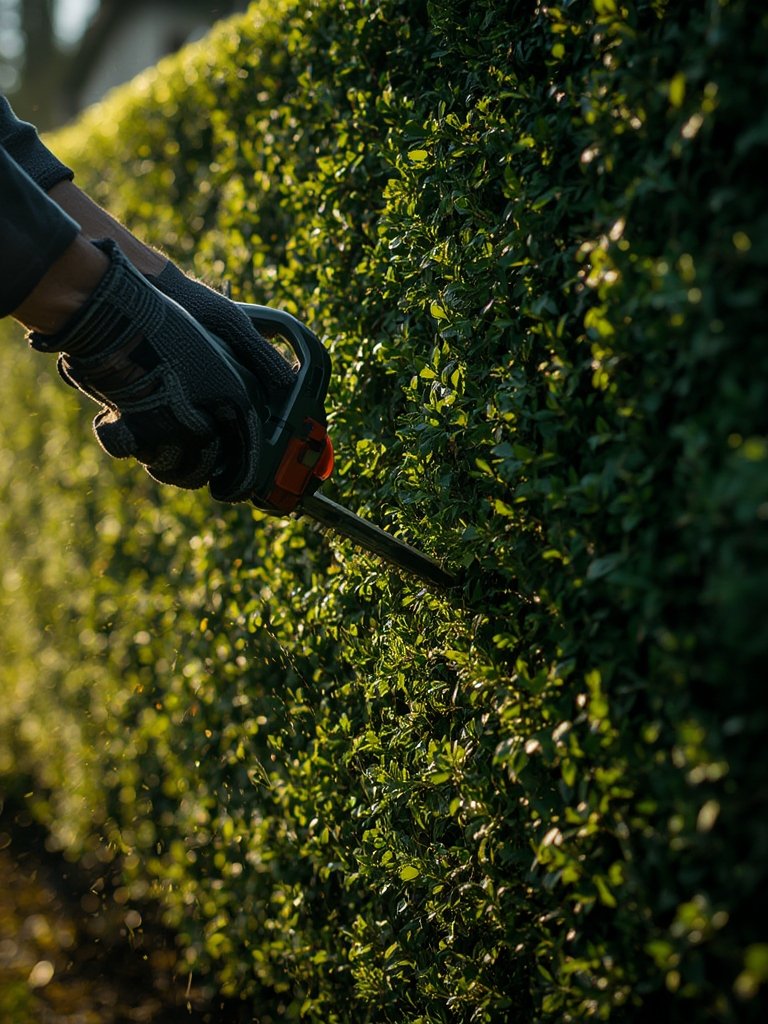
– Hold the trimmer with both hands for full control, even on lighter models. Keep fingers and legs clear.
- Use Correct Technique
– Move in smooth, horizontal motions across the hedge, let the blades do the cutting.
– For rounded bushes, use slow, arched sweeps.
– Never force thick branches; trim with a dedicated pruning saw if needed. - Routine Stops and Battery Check
– Pause every 15–20 minutes and check for overheating.
– Swap out the battery or recharge as needed. If your battery underperforms, consider a backup—most major brands sell spares. - Post-Trim Blade Care
– Brush off leaves and twigs.
– Wipe blades with a damp cloth and lubricate them.
– Store away from children in a dry spot.
If you’re upgrading your garden toolkit, pairing your trimmer with other cordless garden tools delivers extra convenience and keeps your outdoor area organized and efficient.
Advanced Analysis & Common Pitfalls
Even seasoned gardeners can run into frustrating—and costly—mistakes with electric hedge trimmers. Here’s a grounded look at the typical issues, backed by 2024 research, along with a comparison table to help you choose wisely.
| Feature | Cordless (Battery) | Corded Electric | Gas-Powered |
|---|---|---|---|
| Market Share (2024) | ~70% [Source] |
~7% | ~23% |
| Runtime | 30-60 min (avg) | Unlimited (plugged in) | 60-90 min (full tank) |
| Ease of Use | Lightweight, mobile | Limited by cord length | Heavier, vibration |
| Noise Level | Low | Low | High |
| Upfront Cost | High | Low | Medium |
| Maintenance | Minimal | Minimal | Ongoing (fuel, oil) |
Common Pitfalls & How to Avoid Them
- Underestimating Battery Limitations: Over 46% of users complain that actual trimming time can be under an hour (see report). Double-check battery specs and buy a spare if your garden is large. For longer sessions, corded or hybrid models may be a better fit.
- Neglecting Blade Maintenance: Skipping blade cleaning and sharpening drastically reduces cutting quality and battery efficiency. Make maintenance part of your routine.
- Poor Safety Practices: Most injuries happen when users skip gloves or goggles, or when they try to rush through thick growth. Take it slow. Always clear your workspace.
- Ignoring Warranty Details: Premium cordless trimmers can cost up to 28% more than older models, so confirm warranty terms and post-sale support up front (industry insights).
- Misjudging Hedge Thickness: Electric trimmers aren’t suited for very thick branches—forcing them can burn the motor. Switch to a mini chainsaw or pruning saw for heavy cuts (mini chainsaw safety tips).

For those optimizing every inch of their garden, don’t overlook innovative storage options, like garage storage racks to keep your trimmers and tools organized year-round.
Conclusion
Today’s electric hedge trimmer delivers remarkable convenience, cleaner operation, and better performance—but only with realistic expectations. Keep batteries charged, sharpen blades, and always work safely to make the most of your investment. Ready to upgrade? Make the switch to an electric hedge trimmer for a greener, easier yard—and explore related cordless garden tools to streamline your entire outdoor toolkit.
FAQ: Electric Hedge Trimmer
How long does a typical electric hedge trimmer battery last?
Most models offer 30–60 minutes of run time per charge. Heavy-duty trimmers or those tackling dense hedges may run shorter—have a spare battery ready for larger jobs.
Are electric hedge trimmers safe for beginners?
Yes, as long as you follow the manual, wear protective gear, and avoid working near electrical cords or wet conditions. Many models include safety locks and guards.
How do you maintain electric hedge trimmer blades?
Wipe blades clean after each use. Apply light lubricant (or even cooking oil in a pinch) and check for nicks or bends before storing in a dry location.
What are the main downsides of electric hedge trimmers?
Battery-powered models can run out of juice quickly, especially on big jobs. Corded models restrict movement. Both struggle with very thick branches—use a mini chainsaw if needed.
Can I use the same battery for other cordless garden tools?
Often, yes—many manufacturers now standardize battery systems. You can save money and space by using one battery across compatible tools, like leaf blowers or trimmers.
—