
Smart garden tools are transforming how we manage home landscaping, urban gardens, and sustainable outdoor spaces—making gardening easier, more efficient, and connected directly to your smartphone.
Key Takeaways
- Smart garden tools streamline watering, trimming, and care through automation, saving time and reducing waste.
- Connectivity and app stability remain the most common frustrations for new users.
- Market growth is driven by urban agriculture trends, eco-friendly home improvements, and the convenience of app-integrated devices.
The Core Concept
At its heart, smart garden tools are Wi-Fi or Bluetooth-enabled devices that automate traditional gardening tasks like watering, mowing, or monitoring soil conditions. These tools integrate with smart home systems and apps, allowing you to control, schedule, and optimize care from your phone—regardless of your gardening experience.
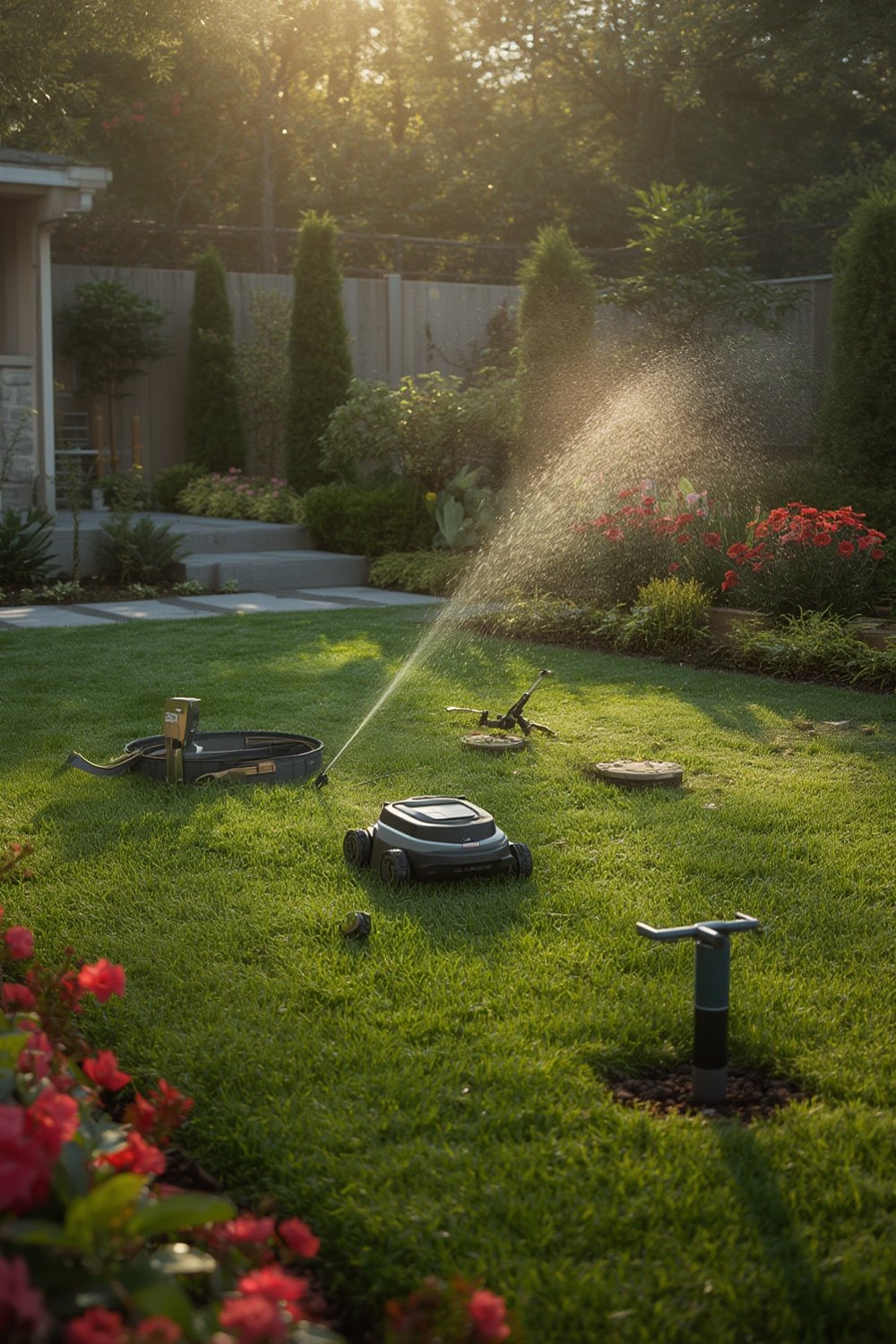
Interest in these technologies grew sharply in North America, which led global adoption due to high homeownership and the rise of urban green initiatives. Market research confirms that demand is also climbing across Europe, especially among eco-conscious consumers and DIY enthusiasts (see data). Automated irrigation, app-based garden monitoring, and even camera-equipped bird feeders are now within reach for average homeowners. These features are also fueling related trends, such as sustainable outdoor furniture and modular gardening systems.
In addition to time savings, smart garden tools can significantly reduce water usage and energy consumption. This aligns with the broader shift toward sustainable living and smarter resource management in both home and commercial landscaping (source).
If you’re already investing in home tech—whether it’s a smart bird feeder, automatic pet feeder, or app-driven indoor organizers—integrating smart garden tools is the next logical step for an efficient, connected outdoor space.
Step-by-Step Guide
Ready to upgrade with smart garden tools? Here’s how to get started:
- Assess Your Space and Needs:
- Measure your garden or yard’s size and identify your main pain points—watering, mowing, monitoring, or storage?
- Urban gardeners might prioritize compact, foldable tools, while suburban homeowners could benefit from automated mowers or irrigation controllers.
- Choose the Right Smart Tools:
- For watering, look at smart irrigation controllers or drip irrigation kits with app scheduling.
- Explore app-enabled soil sensors to monitor pH, moisture, and fertility for raised garden beds (raised bed systems guide).
- Don’t forget storage—consider a garden tool storage organizer to keep everything accessible and clutter-free.
- Install and Connect Tools to Your Home Network:
- Ensure you have reliable Wi-Fi coverage in your garden. If not, consider a Wi-Fi extender.
- Follow manufacturer instructions to pair each device and register it through your preferred app.
- Configure and Test Automations:
- Create watering schedules based on local climate, plant type, and upcoming weather forecasts.
- Test notifications—set alerts for low water tanks, mower maintenance, or abnormal garden conditions.
- Optimize Sustainability and Maintenance:
- Use data from your devices to reduce water waste and adjust fertilizer only when needed.
- Consider foldable garden tools or cordless garden tools for easier maintenance and storage.
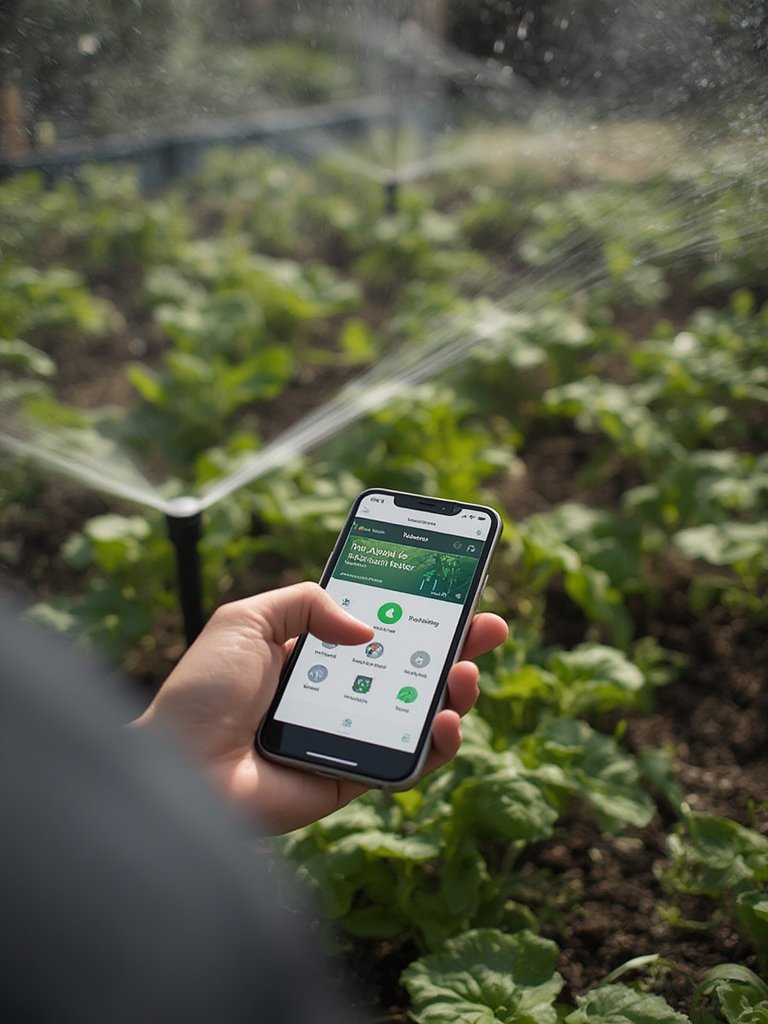
For those with small yards or apartment balconies, consider stacking solutions: vertical storage racks, fold-away tool sets, and modular raised garden beds let you adapt as your needs (or rental terms) change. Seeking efficient ways to water or manage multiple beds? Automated drip irrigation is increasingly user-friendly and eco-smart (industry data).
Don’t forget your garden’s wildlife—enhance your outdoor tech setup with a smart bird feeder, combining nature and technology for year-round enjoyment.
Advanced Analysis & Common Pitfalls
Despite their promise, smart garden tools come with practical challenges. Understanding these up front can save time, money, and frustration.
| Problem | Why it Happens | Actionable Solution |
|---|---|---|
| Connectivity Issues | Weak Wi-Fi signals or interference outdoors | Install a weather-resistant Wi-Fi extender or switch to Bluetooth devices. |
| App Instability | Poorly maintained apps or software updates | Choose products from established brands and check app reviews before buying. |
| Difficult Setups | Non-intuitive instructions and missing integration guides | Use video walkthroughs from the manufacturer or DIY forums. |
| Battery Life Issues | Cordless devices left outside in harsh weather drain quickly | Invest in cordless garden tools with replaceable batteries and store them indoors off-season. |
| Integration Gaps | Not all tools work with every smart home system | Review compatibility lists, and do not mix brands for critical automation tasks. |
Another issue: “smart” doesn’t always mean sustainable. Cheap plastic smart gadgets won’t last outdoors. Prioritize durability and support—just like you would when investing in sustainable outdoor furniture or quality foldable garden tools.
Conclusion
Smart garden tools are rapidly redefining how we create, maintain, and optimize outdoor spaces—from city balconies to large suburban gardens. When installed with planning, they save time, reduce waste, and make gardening more enjoyable. Take the time to compare brands, verify app reliability, and invest in quality devices that suit your unique space. Start integrating the smart garden tools that make the biggest difference first, then expand as your needs grow.
Ready to build your smartest, greenest garden yet? Start today—small upgrades will transform your outdoor routine and sustainability footprint over time.
FAQ
What counts as a smart garden tool?
Smart garden tools include app-enabled devices like irrigation controllers, Wi-Fi soil sensors, robotic lawn mowers, and connected weather stations. They automate or monitor traditional garden tasks with digital controls.
Do I need special Wi-Fi or home systems?
For most devices, reliable Wi-Fi with outdoor signal and a smartphone app are all that’s required. Some advanced integrations may work best with platforms like Alexa, Google Home, or Apple HomeKit.
Are smart garden tools worth the investment?
For homeowners with busy schedules or water-conscious goals, smart garden tools save time and resources. However, reliability and app quality can vary—always check reviews and brand reputation.
How can I keep my smart devices secure?
Use strong Wi-Fi passwords, enable firmware updates, and register devices with trusted brands. If possible, place devices inside secured garden storage when not in use.